
Best AI assistants in 2026 are changing the way people work, communicate and manage everyday tasks. Discover the most advanced AI companions transforming productivity, creativity and digital experiences.
Best AI Assistants in 2026: The Digital Companions Redefining How We Work and Live
"The future of AI is not about replacing humans, but about giving people tools that help them achieve things they could never do alone."
— Sam Altman, CEO of OpenAI.
The idea of having personal digital AI assistants for work once sounded like something from a science fiction movie. Today, it has become part of everyday reality. Best AI assistants in 2026 are no longer limited to answering basic questions or setting reminders. They have evolved into intelligent digital partners capable of helping people manage work, organize information, create content, analyze data and complete complex tasks with remarkable speed.
The biggest change in artificial intelligence is that assistants are moving beyond simple conversations. Earlier AI assistant tools required users to provide detailed instructions for every small action. Modern assistants understand context, learn preferences and can handle multiple steps to complete a goal. From preparing business reports and summarizing meetings to planning trips and managing personal schedules, AI is becoming a natural extension of human productivity.
As businesses and individuals continue adopting artificial intelligence, the competition among AI platforms has become stronger than ever. Companies are investing heavily in creating assistants that are faster, smarter and more personalized. The result is a new generation of AI technology designed not only to provide answers but also to actively support decision making and daily activities.
The Evolution of AI Assistants for work in 2026
AI assistants have experienced a dramatic transformation over the past few years. The earliest versions were mainly voice based tools that performed simple commands such as checking the weather, playing music or setting alarms.
In 2026, personal AI assistants operate at a completely different level. They can understand conversations, analyze large amounts of information, create professional content and interact with other digital platforms. Instead of functioning as separate applications, many assistants are becoming integrated into the tools people already use every day.
The rise of advanced AI models has also introduced a new category of intelligent tools known as agent based assistants. These systems are designed to complete tasks independently after receiving a goal. Rather than simply suggesting what a user should do, they can take action within approved boundaries.
What Makes the Best AI Assistants Stand Out?
Choosing the right AI assistant in 2026 is not only about finding the most powerful technology. The best assistants combine intelligence, convenience, reliability and the ability to fit naturally into a user's workflow.
One of the most important features is understanding context. A truly useful AI assistant does not treat every conversation as a new interaction. It can remember previous discussions, understand personal preferences and provide responses that feel more customized. This ability makes the experience more natural and efficient.
Another important factor is versatility. The strongest AI assistant tools are not designed for only one purpose. They can help with writing, research, planning, coding, communication and creative projects. A single assistant can now replace multiple smaller tools that were previously needed for different tasks.
Security and privacy have also become major priorities. As people use AI for professional and personal activities, assistants are handling increasingly sensitive information. Modern platforms are focusing on stronger privacy controls, secure data handling and transparency to build user trust.
The Leading AI Assistants in 2026
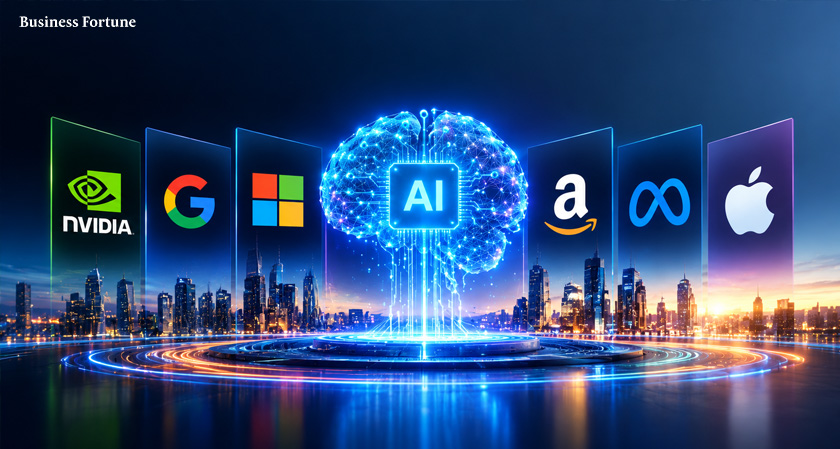
The market for AI Assistants 2026 includes several powerful platforms, each offering unique advantages depending on user requirements. While some focus on creativity and conversation, others specialize in workplace productivity, research or integration with existing software ecosystems.
ChatGPT
ChatGPT remains one of the most recognized names in artificial intelligence and continues to be widely used by individuals and businesses worldwide. Its popularity comes from its ability to handle a wide range of tasks without requiring users to switch between different applications.
From writing articles and preparing presentations to analyzing documents and helping with programming, ChatGPT has become a flexible digital assistant for many types of users. Its ability to understand natural language makes it accessible even for people with limited technical knowledge.
Google Gemini
Google Gemini has gained significant attention because of its deep connection with Google's ecosystem. For users who rely on Gmail, Google Docs, Google Drive and other Workspace applications, Gemini provides an integrated experience that makes managing information easier.
Instead of searching through multiple files or emails manually, users can rely on Gemini to summarize information, organize content and assist with workplace tasks. Its ability to work across Google's services makes it especially valuable for professionals who already depend on Google's digital tools.
Microsoft Copilot
Microsoft Copilot has become a major player in enterprise AI by bringing intelligent assistance into familiar workplace applications. Integrated with Microsoft 365, Copilot helps users improve productivity within tools such as Word, Excel, PowerPoint, Outlook and Teams.
Instead of manually creating reports, analyzing spreadsheets or summarizing long meetings, employees can use Copilot to speed up these tasks. This makes it particularly valuable for organizations looking to improve efficiency without completely changing their existing workflows.
Claude
Claude has become one of the top AI assistants among professionals who need detailed analysis, accurate writing and thoughtful responses. Developed with a strong focus on safety and reliability, Claude is particularly popular among researchers, writers, consultants and businesses that work with large amounts of information.
One of Claude's biggest strengths is its ability to understand long documents and complex topics. Whether it is reviewing business reports, analyzing research papers, improving written content or helping teams brainstorm ideas, Claude provides responses that feel structured and natural.
Perplexity AI
In a world where information is constantly expanding, finding trustworthy answers quickly has become increasingly important. Perplexity AI has positioned itself as a research focused assistant designed to help users discover information, understand complex topics and explore new ideas.
Unlike traditional search engines that provide a list of links, Perplexity combines search capabilities with conversational AI to deliver direct answers supported by sources. This makes it useful for students, journalists, analysts and professionals who need quick access to reliable information.
Grok
Grok has gained attention because of its connection with real time information and its integration with the social media platform X. It is designed for users who want quick access to current discussions, trending topics and online conversations.
Unlike assistants that mainly focus on productivity tasks, Grok emphasizes awareness of what is happening in the digital world. This makes it appealing for users who follow technology, business news, entertainment, politics and online trends.
Meta AI
Meta AI represents another important direction in the AI assistant industry by bringing artificial intelligence directly into everyday communication platforms. Integrated across Meta's applications, the assistant aims to make AI more accessible to billions of users. The biggest advantage of Meta AI is convenience. Users can interact with AI while using platforms they already know instead of downloading separate applications.
Apple Intelligence
Apple has taken a different approach to artificial intelligence by focusing heavily on privacy, personalization and integration with its ecosystem. Apple Intelligence is designed to bring AI features into devices people already use, including iPhones, iPads and Macs.
The focus is not only on making AI powerful but also on making it feel natural. Apple aims to create assistants that understand personal context while protecting user information through privacy focused technology.
How to Choose the Right AI Assistant in 2026
With so many options available, choosing the right AI assistant can feel overwhelming. The best approach is to consider what problems you want the assistant to solve.
Cost is another important consideration. Many AI platforms offer free versions, but premium plans usually provide access to more advanced models and additional features. Users should compare pricing, capabilities, privacy policies and integrations before making a decision. The most successful AI users are not necessarily those with the most advanced tools.
The Future of AI Assistants Beyond 2026
The future of AI assistants is moving toward greater independence and personalization. Instead of waiting for commands, future assistants may anticipate needs, identify problems and suggest solutions before users even ask.
Another major development will be the rise of specialized assistants. Instead of one general AI handling everything, users may have multiple intelligent assistants working together. One could manage finances, another could support health goals, and another could help with professional tasks.
Why AI Assistants Are Becoming Essential
The popularity of AI assistants is not just a technology trend; it reflects a major change in how people interact with digital tools. As information becomes more abundant and work becomes more complex, people need systems that can help organize, analyze and simplify their digital lives.
AI assistants are becoming valuable because they reduce friction. Instead of searching through dozens of applications, opening multiple documents or spending hours completing repetitive tasks, users can rely on AI to handle the initial workload.
The AI Assistant Era Has Arrived
The rise of the Best AI assistants in 2026 shows that artificial intelligence has moved far beyond simple conversations. These tools are becoming intelligent companions that help people work smarter, save time, and manage increasingly complex digital lives.
The future will not belong to people who avoid AI. It will belong to those who understand how to use it effectively.
Business Fortune believes that as AI continues to become more personalized, powerful and connected, these digital companions will become an essential part of everyday life.
FAQs
What are the Best AI assistants in 2026?
The best AI assistants in 2026 include ChatGPT, Google Gemini, Microsoft Copilot, Claude, Perplexity AI, Grok, Meta AI and Apple Intelligence.
How are AI assistants different from chatbots?
Best AI chatbots mainly answer questions, while modern AI assistants can understand context, complete tasks, connect with applications and provide personalized support.
Which AI assistant is best for professional work?
Microsoft Copilot, ChatGPT, Google Gemini and Claude are among the strongest choices for professional environments because they support writing, analysis, communication and workflow automation.
Are AI assistants safe to use?
Most leading AI companies are investing heavily in privacy and security features. However, users should always review privacy settings and avoid sharing highly sensitive information unless they trust the platform.
Will AI assistants replace human workers?
AI assistants are mainly designed to support humans by improving productivity and reducing repetitive work. The future is expected to involve collaboration between people and AI rather than complete replacement.


.webp)































Comments