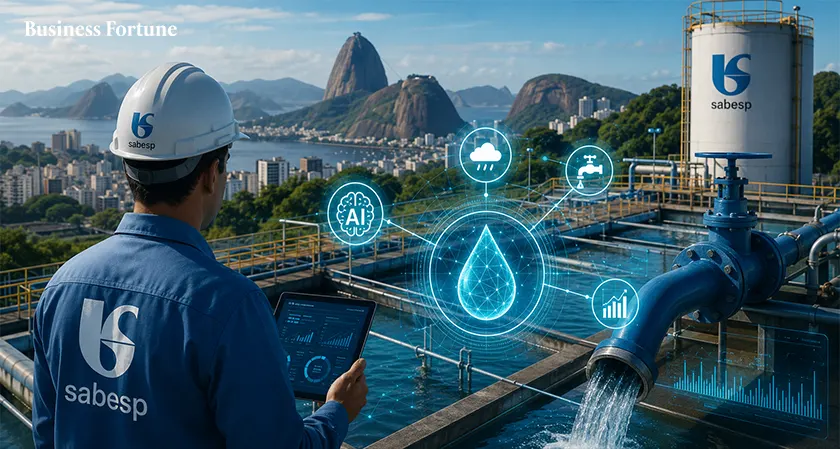
Sabesp Transforms Water Infrastructure with AI and digital twins. Discover how this bold move could improve water services for millions.
SABESP transforms water infrastructure through a major digital transformation that could change how millions of people receive clean water and sanitation services in Brazil. SABESP, one of the world's largest water and wastewater utilities, has signed a long-term agreement with Transcend to use generative design technology for planning and designing water and wastewater treatment facilities across 377 municipalities in São Paulo. The initiative is aimed at helping the utility achieve universal water and sanitation access by 2029 for more than 28 million people.
Planning the future
As demand for reliable water services continues to grow, SABESP is replacing traditional planning methods with intelligent digital tools. Using Transcend's Design Generator platform, engineers can quickly create multiple treatment plant designs, compare construction costs, operating expenses, carbon emissions, land requirements, and select the most effective solution before construction begins.
The platform also produces detailed conceptual designs, including process flow diagrams, equipment lists, and 3D building information models, helping teams move from planning to execution much faster.
"We hope Transcend's platform brings speed, standardization, and more intelligence to our planning process, allowing our teams to make better decisions, faster," said Marcel Sanches, Director of Planning & Engineering Projects at SABESP.
Can digital technology solve water challenges?
Beyond planning treatment facilities, SABESP is also modernizing its existing water network through its INTEGRA 4.0 digital transformation program. Working with Bentley Systems, the utility has created digital twins of its water and wastewater infrastructure, bringing together engineering, geographic, commercial, and field data into one cloud-based platform.
These virtual models allow engineers to monitor systems in real time, predict failures before they happen, and respond more efficiently. In São Paulo's Jardins district, live sensor data and weather forecasts are already helping prevent sewage system failures before they occur.
The results have been impressive. SABESP has reduced corrective maintenance and sewage overflows by 30%, lowered water losses by 29% in the Vicente de Carvalho district, and improved water supply for around 150,000 residents. The company has also saved thousands of engineering hours while reducing maintenance costs and avoiding environmental damage to the Tietê River.
Innovation of modern infrastructure
The partnership also supports Brazil's New Legal Framework for Basic Sanitation, which aims to expand access to safe water and sanitation nationwide. FF Solutions will assist with implementing the new technology, training engineers, and supporting day-to-day operations to ensure the transition is successful.
As Business Fortune observes, SABESP's investment in AI, digital twins, and data-driven planning could become a model for utilities across Latin America. As climate challenges and urban growth continue to increase pressure on water systems, smarter infrastructure may play a vital role in delivering reliable, sustainable services for future generations.
FAQs
What is SABESP's new partnership about?
SABESP has partnered with Transcend to use AI-powered generative design software for planning water and wastewater treatment facilities across São Paulo.
What is the goal of this project?
The project aims to help provide universal water and sanitation services to more than 28 million people by 2029.
What are digital twins in water infrastructure?
Digital twins are virtual models of physical water systems that use real-time data to monitor performance, predict problems, and improve operations.
What benefits has SABESP already achieved?
The company has reduced corrective maintenance and sewage overflows by 30%, cut water losses by 29% in one district, and improved water supply reliability for thousands of residents.
Why is this project important?
It shows how AI, data analytics, and digital infrastructure can make water services more efficient, sustainable, and better prepared for future population growth and climate challenges.


.webp)































Comments