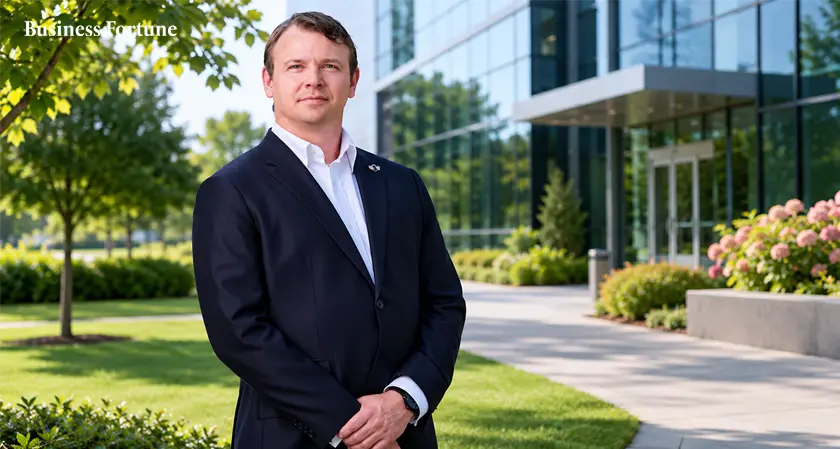
In an interview with Journal Gazette, INvets CEO Roy Martin explains how he would start veteran transition sooner, measure retention and help employers read military résumés.
Roy Martin, appointed as the Chief Executive Officer (CEO) of INvets on September 1st 2026, explained that he wants to get ahead of preparing service members for civilian life in America.
In short: Roy Martin has been appointed the new Chief Executive Officer of INvets since September 1st 2026, having retired as a Marine First Sergeant. During the interview he explained his ideas for getting ahead of helping service members, understanding if veterans remain in Indiana and helping businesses understand military skills.
Why is transitioning out of the military difficult?
Having served in the Marine Corps for 20 years and 6 deployments, Roy understands the difficulties of transitioning into civilian life. He explained, “It is important to realise that leaving the military isn’t just a new role for you. You are leaving a community and everything changes around you. The culture, routine, language and even your identity.”
“We don’t want to see veterans as a group needing saving.”
What do employers miss?
Often, resumes can be an issue. People may not have held the role of Operations Manager but may have managed people, managed millions of pounds worth of equipment and coordinated logistics.
“Veterans have a duty to understand how to communicate their value to a civilian employer. However, there is also a duty on companies to upskill hiring managers and look at competencies.”
How will they measure success?
While placing people into roles is important, INvets already have processes in place to understand how many people are relocating, how many people in their household are moving to Indiana, how engaged employers are and where veterans are settling. Next steps are looking at retention, progression and if families are staying.
Roy wants to understand if they are actually solving the workforce issues in Indiana or just creating activity. “We want to know if we are really solving the problem in Indiana or if we are just creating activity.”
What would he change about transitioning out of the military?
“I would like to get ahead of the transition. We need to move away from an exit processing culture to a talent development culture.”
This means getting ahead of helping service members by connecting them with Indiana employers and training partners. This includes programmes like SkillBridge and fighting against licensing rules that don’t take military training into account.
What can civilians learn from veterans?
Mainly accountability.
“Leadership isn’t just being in charge. It’s taking accountability for your people and the outcome. I have worked with people from all over the country in the Marine Corps. We didn’t have to agree but we had to understand our mission and trust each other.”
More to know
Roy finished his time in the Marines as an Inspector Instructor First Sergeant, leading a team of over 120 Marines.
Since retiring in December 2024, he moved into INvets as an Outreach & Partnerships Manager. He created almost 100 new employer relationships.
After this he moved into Business Retention & Expansion for the Indiana Economic Development Corporation (IEDC).
They currently work with the Indiana Destination Development Corporation. Roy hopes to bring the IEDC and Indiana Department of Workforce Development on board.
They brought 425 new residents, veterans and families into Indiana in 2023.
Roy’s main selling point is to get ahead of the transition. He wants to ensure that veterans are being prepared years before their final day. He will measure if they are successful by seeing if veterans and their families come to Indiana.
Business Fortune believes that the data on retention will show if they are successful.
Sources
Inside INdiana Business . Fort Wayne Business Weekly . Southern Indiana Business Report . Times-Union

.webp)





















Comments