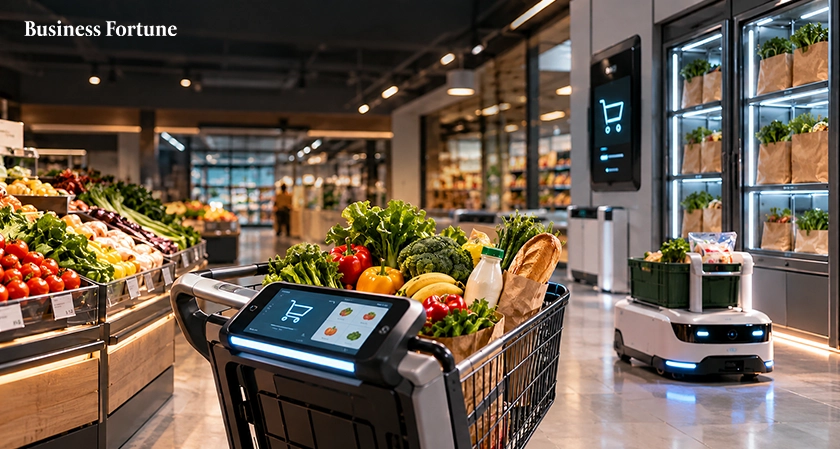
Mars explores the future of shopping as AI takes over routine purchases, giving stores and online platforms more room for discovery, personalisation and fun.
What if you never again had to worry about making a grocery list for yourself? With the AI shopping assistants, you would soon get to know exactly what to purchase without having to remember when you need snacks or cereal or other essentials. Mars Snacking believes this could define the future of shopping and consumers could soon rely on automated systems to replenish everyday essentials without manually placing each order.
Routine Shopping Could Become Almost Invisible
In collaboration with consumer research firms Kantar and Synthesis, Mars investigated more than 180,000 data signals across the globe on four continents to investigate the way technology might transform shopping within the coming decade.
Consumer expectations, according to this research, can be categorized into three main areas: Effortless, Personal, and Experiential shopping. Using purchase history, preferences, and inventory details, AI-driven assistants could suggest products and make automatic re-purchases.
BrightEdge data shows that AI referrals to e-commerce brands jumped 752% year over year during the 2025 holiday season. The market is projected to reach $788 billion by 2035.
Shoppers No Longer Need to Make Every Purchase?
That could give physical stores a very different role. Instead of simply helping people buy everyday products, retailers may need to create places that offer something shoppers cannot get from an automated system.
“People may never have to manually shop for household staples again. For a category like snacking, this is both an opportunity and a strategic challenge,” said Neil Reynolds, Global Chief Customer Officer, Mars Snacking.
Personalisation will also become more important. TransUnion reports that 39% of consumers expect personalised online experiences. Retailers could use this demand to recommend products around individual preferences, occasions and lifestyle needs, while also facing greater responsibility for protecting customer data.
Stores Could Become Places People Want to Visit
Change is happening. The use of immersive brand environments is growing by 15.3% annually, and one in five digital consumers in the United States already shops using livestreams, as stated by eMarketer.
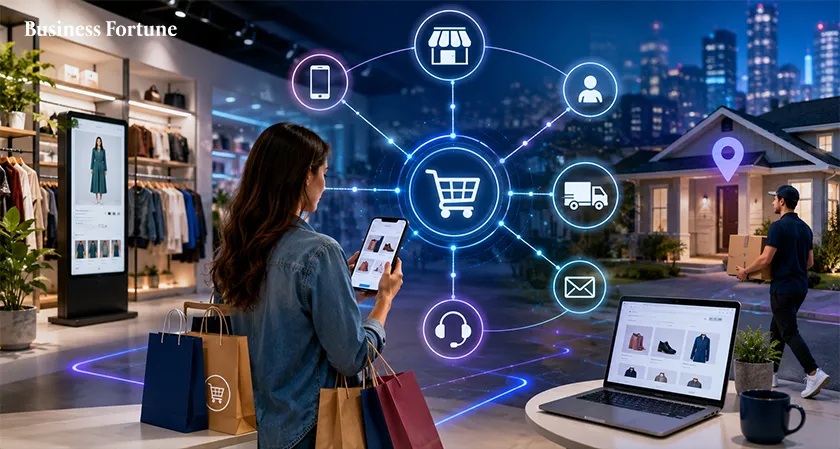
That suggests a future in which the AI would perform the routine tasks while physical stores, websites, social media and live streaming provide discovery moments and interactions. E-commerce brands need to exist in automated shopping journeys and at the same time provide customers with a reason to discover something more than what they normally purchase.
As Business Fortune observes, shopping in the future could perhaps be less about walking through aisles to find everyday essentials and more about using technology for convenience and making space for discovery and experiences.
Sources: https://www.emeoutlookmag.com/industry-insights/mars-ai-set-to-reshape-how-consumers-discover-and-buy-food https://www.foodnavigator.com/Article/2026/10/06/mars-predicts-a-future-of-automated-and-immersive-retail/ https://www.mars.com/news-and-stories/press-releases-statements/mars-unveils-future-shopping-retail-new-research


.webp)




























Comments