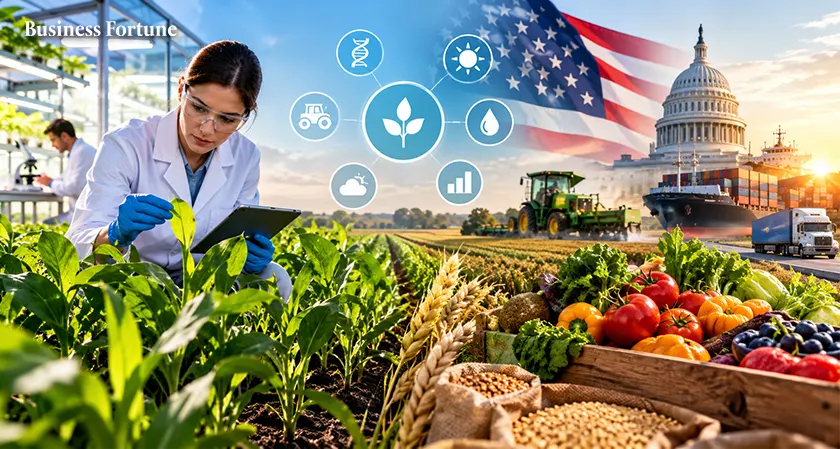
Discover how Feed the Future Innovation Labs are using advanced research to protect crops, support farmers, and strengthen global food security.
The Feed the Future Innovation Labs are making an innovative move towards protecting America’s food supplies while at the same time helping the farmers globally to deal with diseases affecting crops, increasing yields, and improving their agricultural markets. Eight new labs have been announced by the United States Department of State in collaboration with American land-grant universities.
The two major projects will be undertaken by the University of Florida and the University of Georgia, focusing on high-value crops and peanuts, respectively.
Crop Protection Must Begin Before Pests Cross Borders
The University of Florida’s Institute of Food and Agricultural Sciences (UF/IFAS) will lead the new SAFE Lab (Safeguarding Agriculture, Food and Economy). The research initiative will work across Ethiopia, Guatemala, Honduras, Kenya, Nepal, the Philippines, and the Dominican Republic.
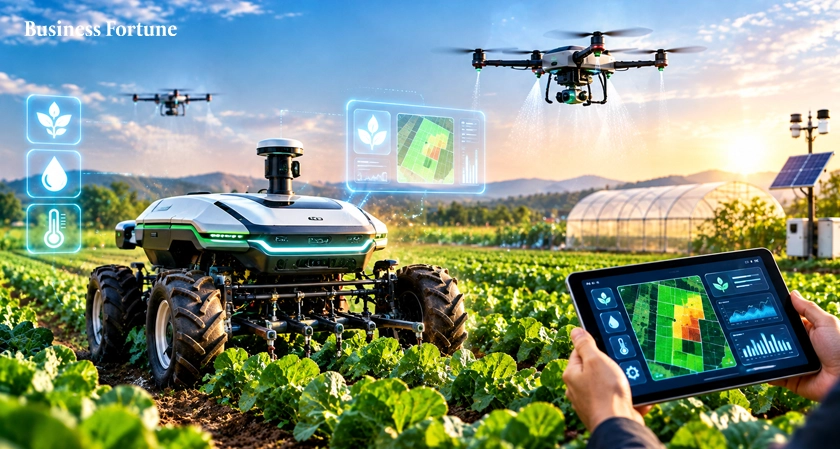
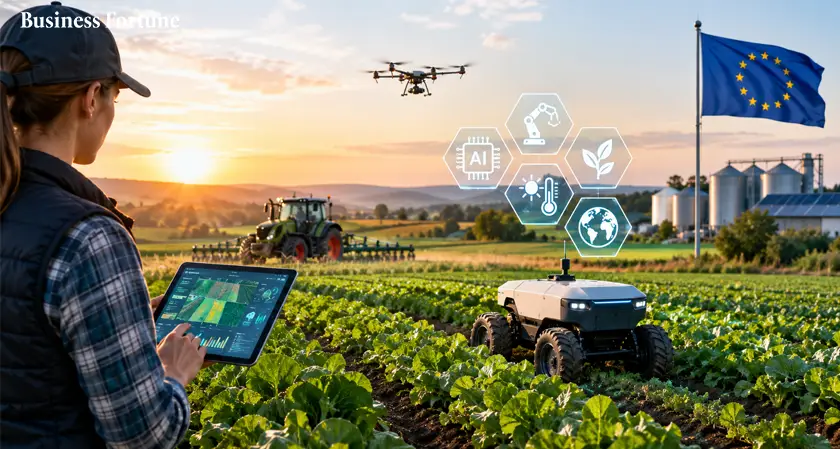
These countries provide products to the U.S. markets and can be potential locations for exposure to newly developed plant pests and diseases. The laboratory will employ AI, crop modeling, field diagnostics, and farm advice in order to enhance the process of early detection. Resistant crop varieties will also be developed along with improved food storage and safety.
The need is significant. In 2024, approximately 1,800 quarantine pests were detected among 1.8 billion imported plant units and seeds by U.S. inspectors.
“Our food supply in the U.S. and that of our partner countries is safest if we stop crop pests and diseases at the source, before they ever reach our fields,” said Karen Garrett, SAFE Lab director and UF/IFAS professor of plant pathology.
Can Better Peanut Farming Close the Global Productivity Gap?
The University of Georgia will head the new Feed the Future Innovation Lab for Peanut, which will be funded through an initial $9 million award for the first year of up to five years.
The project seeks to bridge the difference between the yield of peanuts in the U.S. and elsewhere in the world. The yield of peanuts globally stands at about 62% lower than that of the U.S. due to pests, diseases, drought, low quality seed, and poor marketing links.
“Peanuts are a highly nutritious and healthy crop consumed in many forms,” said David Hoisington, Peanut Innovation Lab co-director, highlighting the crop’s role in nutrition, income generation, soil health, and animal feed.
Research Could Create Long-Term Benefits for Farmers and Trade
The two projects will also train researchers and strengthen agricultural institutions. The Peanut Innovation Lab plans to train more than 100 U.S. and international researchers and students through graduate education, internships, exchanges, and technical programs.
The broader initiative reflects the economic value of international agricultural research. According to the announcement, U.S. university-led international agricultural research returns $8 for every $1 invested.
As Business Fortune observes, the Feed the Future Innovation Labs could help build a more resilient agricultural system by identifying threats earlier, reducing food waste, and improving crop productivity. If these efforts succeed, farmers in partner countries could gain stronger livelihoods while American producers benefit from safer supply chains, new export opportunities, and better protection against emerging agricultural risks.
FAQs
What are the Feed the Future Innovation Labs?
They are U.S.-supported research initiatives that bring universities and international partners together to address agricultural challenges, improve food security, and strengthen farming systems.
What is the SAFE Lab?
The SAFE Lab is a University of Florida-led initiative focused on protecting high-value crops, including fruits, vegetables, and spices, from pests and diseases while improving food safety and reducing losses.
Why is the new Peanut Innovation Lab important?
It aims to improve peanut yields, crop quality, and farmer incomes by addressing challenges such as drought, pests, diseases, and limited market access.
How will artificial intelligence help farmers?
AI and crop models can help identify areas at risk from pests and diseases, improve monitoring, and support earlier decisions about crop protection and breeding.
How could these projects benefit American agriculture?
They could help detect agricultural threats before they reach U.S. farms, strengthen supply chains, support agricultural exports, and create opportunities for American researchers and businesses.
Sources: https://news.ufl.edu/2026/10/feed-the-future/ https://news.uga.edu/university-of-georgia-to-lead-new-feed-the-future-innovation-lab-for-peanut/ https://www.state.gov/releases/office-of-the-spokesman/2026/10/state-department-announces-feed-the-future-innovation-labs-to-support-agriculture-research/


.webp)


























Comments