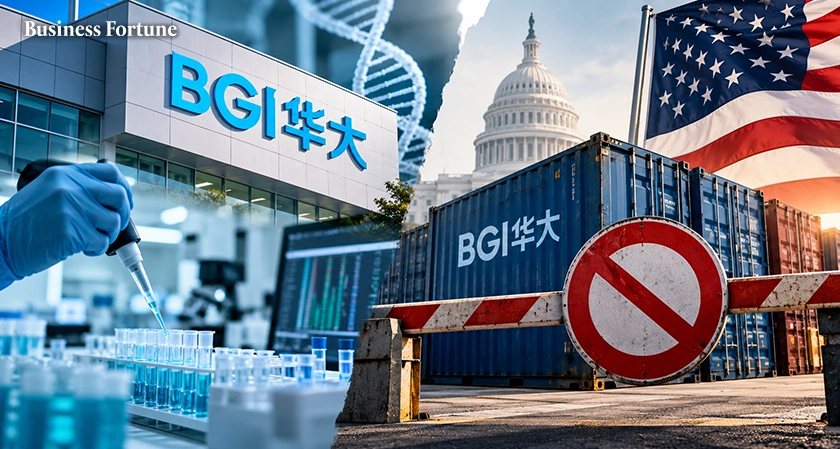
The US has blocked imports from three Chinese biotech firms over alleged Xinjiang forced labor links, raising fresh concerns about genetics data and US-China tensions.
The United States has blocked imports from BGI Group, BGI Genomics and MGI Tech over alleged links to forced labor in China’s Xinjiang region. The measures, which were announced by the Trump administration on October 28, 2026, are aimed at three Chinese biotech firms through the implementation of the Uyghur Forced Labor Prevention Act.
US Targets Three Chinese Biotechnology Companies
US Customs and Border Protection started to block shipments from the three companies on Thursday. DHS accused the companies of using material that came from Xinjiang region or doing business with the authorities in the region in connection with forced labor involving the persecution of Uyghur people and other minorities.
The DHS has also mentioned that the two corporations have taken part in genetics testing in Xinjiang, which raises the alarm that genetics information can be used for surveillance and repression of the minorities. The BGI Group, which is involved in genetic sequencing, has been under scrutiny from US officials due to their links with genetics data.
BGI Group and China Reject Forced Labor Allegations
However, the BGI Group denied the allegations saying that it had not used any form of forced labor. The Chinese government also refuted the claims by calling the move by the United States as a politically motivated one aimed at silencing Chinese companies under the guise of human rights protection.
Beijing made it clear that it will be taking the necessary actions to safeguard its interests, stating that the restrictions negatively affect their financial services and trade ties.
The companies have also come under the microscope of US national security concerns. The Pentagon had earlier classified the BGI Group, BGI Genomics and MGI Tech as Chinese military companies. BGI has argued that the company is privately held and has stated that it does not treat patients in the US.
US-China Biotech Tensions Intensify
These are measures of the increased rivalry that is developing between the two governments in relation to such technologies as biotechnology, artificial intelligence and other strategic technologies. The US Department of the Treasury has recently suggested more restrictions on American investments in these sectors.
The recent activity is covered under the Uyghur Forced Labor Prevention Act that was enacted into law in December 2021. The law attempts to ensure that products connected with forced labor in Xinjiang do not reach the US market.
The announcement came even before an anticipated summit meeting between US President Donald Trump and Chinese President Xi Jinping in the coming month. Both administrations have tried to keep the peace when it comes to trade despite differences on technology and national security.
Thus, Business Fortune believes that the BGI Group import ban highlights how human rights concerns and biotechnology security are reshaping US-China trade relations.


.webp)





























Comments