
RegTech business verification promises a clearer view of who owns and controls a company. Industry leaders explain where it works and where it stops.
Based on a FinTech Global feature dated Nov 4, 2026.
While RegTech business verification can help overcome many blind spots during Know Your Business (KYB), firms must ensure they are using multiple data sources, ongoing monitoring and manual decisions to get the best results, three industry executives explain in this FinTech Global feature.
FinTech Global spoke to executives at ACA Group, TWC and Identomat about whether technology can help them identify true business owners and controllers. All three said, yes, but that they relied on multi-source data, ongoing monitoring and AI-assisted entity resolution to allow them to investigate.
Why are there blind spots in KYB?
Whilst verifying a company exists can be straightforward, identifying who owns or controls the company and understanding the risk profile is much more complicated. This can be due to complex structures and disjointed ownership.
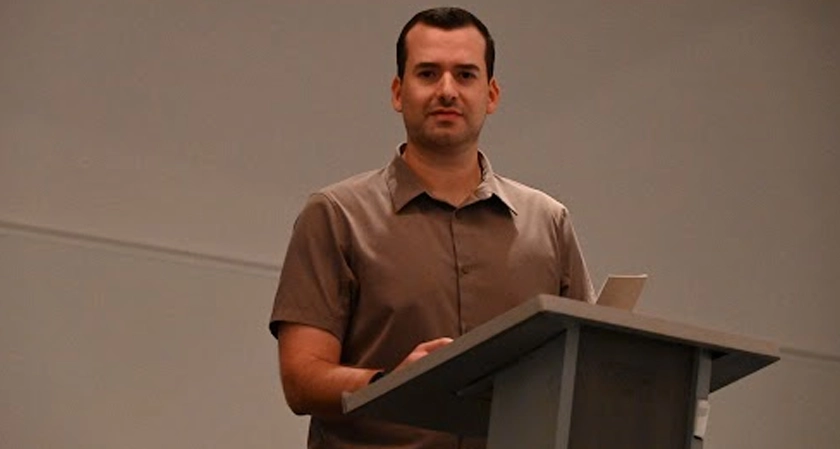
“Often times there is a difference between legal ownership and actual control. The person that makes the decisions could be hidden behind a trust, voting rights or board. They may not have a large economic interest but still have power,” explains Nir Carciente, Partner and Head of RegTech at ACA Group.
How can firms determine true ownership?
Multiple data sources are needed. Carciente uses corporate registries, incorporation documents, shareholder registers, director details, customer statements, sanctions, PEP screening, adverse media and third party data sources. He then matches them together.
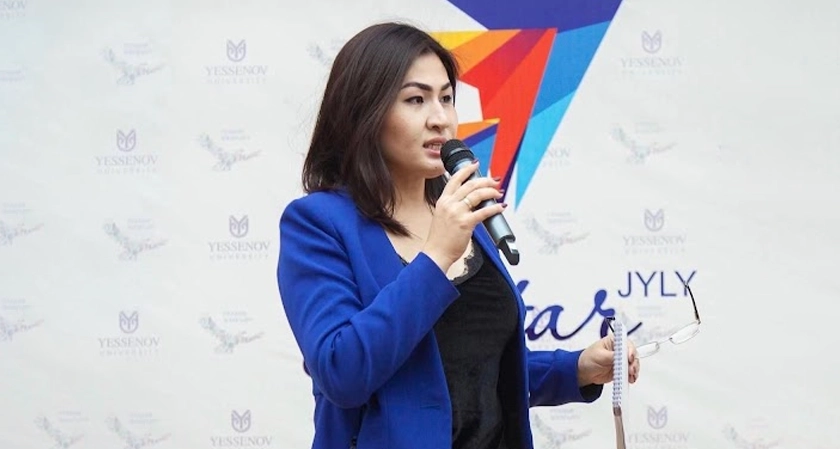
“Ownership and control varies by jurisdiction,” Daniel Farías, VP Sales and Marketing at TWC explains. “We always want to back everything up to a document and a rule. If there are any inconsistencies we can flag them.”
“If there are gaps or inconsistencies then we want to dig deeper,” says Zurab Kotaria, Co-founder and CEO at Identomat.
Is point-in-time verification sufficient?
No. Kotaria explains that six months down the line, a seemingly legitimate business could be completely different. Owners change, directors come and go and sanctions lists change.
Carciente wants ongoing monitoring based on risk and triage. “Do things change since last time? Does it matter? It’s not about how many alerts we are getting. We want to ensure it’s based on risk.” Farías also sees verification as an ongoing process. “Verification is not a one-off. It’s an expiry.”
Can AI help identify hidden relationships?
Yes, but with limitations. Using entity resolution allows you to match different variations of names across different languages and scripts. This also identifies companies that share addresses, directors and filings across different jurisdictions. This can highlight complex networks that an analyst would miss.
However, this is just a lead. “If two entities are linked this is just a lead,” Farías explains. All three agree that this won’t necessarily mean there is anything wrong. Farías explains “if it was a black box giving us answers on control this would create another blind spot.”
More to Know
This feature includes Nir Carciente (ACA Group), Daniel Farías (TWC) and Zurab Kotaria (Identomat).
Ownership can vary per jurisdiction. Some have a 25% threshold and the meaning of control through other means can differ.
CRS and FATCA require you to identify controlling individuals of passive entities. This includes looking through layers to identify the natural person.
Customer Due Diligence in the US requires ongoing monitoring. This includes updating customer details based on risk. This includes beneficial owner details for legal entity customers.
Traditionally KYB processes were done on a one-off basis.
RegTech business verification enables ongoing verification based on evidence. Whilst it can quickly piece together disparate data sources better than any analyst, all three agreed it is best used to support investigators.
Business Fortune believes, firms who can demonstrate they can back up all ownership conclusions will be best placed.
FAQs
1. What is RegTech business verification?
Using RegTech to confirm a business is genuine. This includes identifying who owns/controls the business and the risks they bring. This is done using tools that pull together data from registries, ownership details, identity checks and AML screening.
2. Why is KYB more complicated than individual checks?
Companies can be owned via holding companies, trusts and voting rights across multiple countries. This means ownership information can often be disjointed and vary per jurisdiction.
3. Is point-in-time KYB sufficient?
No. Ownership, directors and exposure to sanctions will change after onboarding. Therefore it is important to monitor ongoing based on risk.
4. Can AI identify hidden beneficial owners?
AI can identify potential relationships between entities using entity resolution. However this is just a lead for investigators.
5. Should ownership discrepancies be a manual decision?
Yes. Farías explains “if there are inconsistencies we want to highlight them. We wouldn’t want to hide this. We would want to ensure this is resolved by someone responsible.”





















































































































































.webp)


Comments