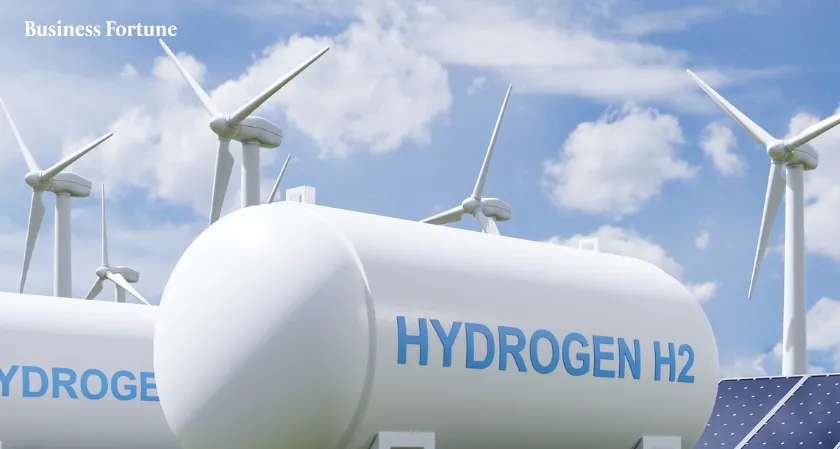
South Africa’s $5.8 billion green hydrogen project advances toward construction, boosting renewable investment, industrial growth, and decarburization ambitions.
South Africa’s green hydrogen project in Nelson Mandela Bay is moving closer to construction, with Hive Hydrogen progressing its $5.8-billion green hydrogen-ammonia development at the Coega Special Economic Zone. The project has selected its electrolyze and ammonia loop technology, with construction potentially starting in early 2027 and commissioning targeted for December 2029.
Hive Hydrogen Project Moves toward Major Milestones
Since 2019, Hive Hydrogen South Africa has been working on the project with the goal of harnessing renewable energy to manufacture one million tons of green ammonia per year. Hive Energy and Built Africa are supporting the project, which will be led by Thulani Gcabashe, a former CEO of Eskom.
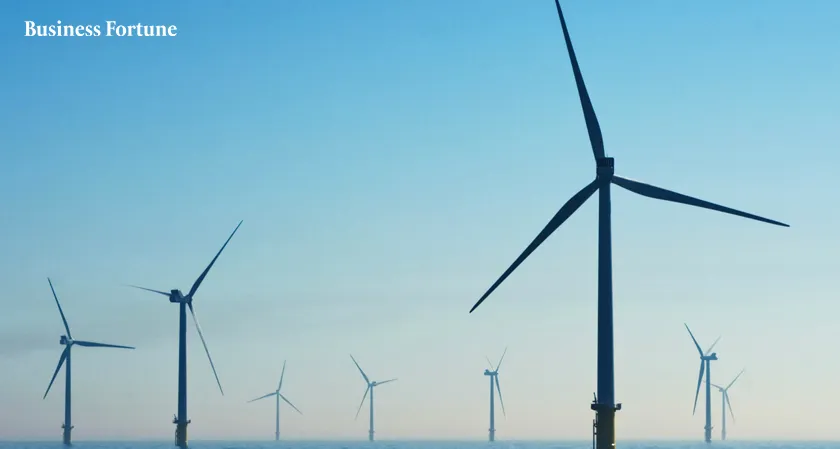
The company’s renewable-energy portfolio includes 3,300 MW of planned capacity. Environmental authorization has already been secured for the 1,000 MW Carissa wind energy facility near Beaufort West. Hive Hydrogen worked with AMDA Developments and Blue Crane Environmental on the permitting process.
The project has also secured development funding from SA-H2, a blended-finance private equity fund focused on green hydrogen and Southern Africa’s energy transition. Its financial backing includes commitments involving the European Commission, Invest International, South Africa’s Public Investment Corporation, Sanlam Life and the Industrial Development Corporation.
Key Developments
-
Coega project targets one million tonnes annually.
-
Construction could potentially begin in early 2027.
-
Commissioning is targeted for December 2029.
-
Carissa wind facility received environmental authorization.
-
SA-H2 signed a development funding agreement.
South Africa Expands Hydrogen Technology Push
South Africa’s green hydrogen industry is also advancing through domestic technology development. Sasol has commissioned a 2 kW platinum-based proton exchange membrane electrolyser at its Sasolburg research campus. The system was developed with support from the Department of Science, Technology and Innovation’s Hydrogen South Africa program, the South African National Energy Development Institute and North-West University.
The initiative highlights the importance of platinum group metals in developing hydrogen technologies and could contribute to wider commercialization. Sasol is separately working with China-based Envision Energy to study another potential green hydrogen system in Sasolburg.
Across Africa, Namibia is also receiving support for its hydrogen ambitions. The African Development Bank has approved a $10-million investment aimed at developing infrastructure and skills for Namibia’s emerging green hydrogen sector.
Globally, hydrogen development continues to accelerate. Spain’s Andalusian Green Hydrogen Valley is progressing with more than €3-billion of investment, while Saudi Arabia’s Neom project has completed construction. Europe is also expanding electrolyze capacity, with projects advancing in the Netherlands, Germany and Italy.
More green hydrogen developments are expected to reach final investment decisions before the end of 2026, reinforcing the sector’s growing role in industrial decarburization and renewable-energy investment.
Business Fortune is of the view that South Africa’s hydrogen ambitions could strengthen renewable investment, industrial growth, and long-term decarburization efforts.
FAQs
What is South Africa’s green hydrogen project?
Hive Hydrogen’s $5.8-billion project aims to produce green hydrogen-derived ammonia at Coega.
Where is the Hive Hydrogen project located?
The project is located at the Coega Special Economic Zone in Nelson Mandela Bay.
How much ammonia will the project produce annually?
The facility is designed to produce one million tonnes of ammonia annually.
When could construction of the project begin?
Construction could potentially begin in early 2027, subject to further project milestones.
When is the project expected to be commissioned?
Hive Hydrogen is targeting commissioning in December 2029.


.webp)


























Comments