Discover how biofuels expansion benefits could transform agriculture by boosting farm incomes, strengthening food security, driving innovation, and revitalizing rural economies through 2050.
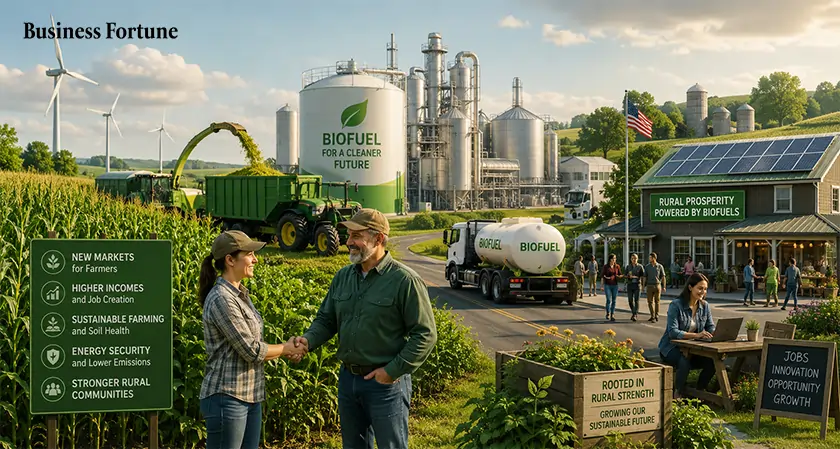
A new study from S&P Global Energy is highlighting how biofuels expansion benefits could become a major driver of growth for agriculture, helping farmers boost incomes, strengthen food security, and revive rural communities. Commissioned by the U.S. Farmers and Ranchers in Action, the report, Fueling Agriculture: Biofuels as the Catalyst, outlines how growing biofuel markets may offer a practical solution to some of agriculture's biggest long-term challenges.
Farming Faces a Demand Problem
For years, farmers have increased crop production through better technology and higher yields. However, demand for many agricultural products has not kept pace. The report identifies three major trends affecting agriculture:
-
Global population growth is slowing and expected to reach only about 0.4% annually by 2050.
-
Consumption of staple foods and meat is approaching saturation in many markets.
-
Crop yields continue to rise faster than demand.
-
Improvements in vehicle efficiency and the shift toward electric vehicles are reducing gasoline consumption, lowering traditional ethanol demand.
As a result, grain prices are often struggling to cover production costs, putting pressure on farm profitability.
A Market Opportunity Hidden in Plain Sight
According to the study, expanding biofuel production could create new demand for crops and help stabilize agricultural markets.
"This research demonstrates that biofuels are not just an energy solution, they are an economic engine that could transform farming's future," said Maryland farmer and USFRA Vice Chair Chip Bowling.
Former U.S. Ambassador Kip Tom also noted that strong markets are essential for farmers, pointing to biofuels as a way to avoid the economic hardships that agriculture experienced during previous downturns.
Can Biofuels Deliver Both Food and Energy Security?
The study suggests the answer could be yes.
Under a high-growth scenario, researchers project:
-
Global biofuel production could triple by 2050.
-
Renewable fuels could capture a larger share of the world's liquid fuel market, including aviation and marine transportation.
-
S. corn yields could rise by nearly 50% without requiring additional farmland.
-
Corn acreage could remain largely stable instead of shrinking dramatically.
-
Food and feed supplies could increase by 45% compared to current projections.
Researchers also found that ethanol often costs less than gasoline, potentially helping consumers benefit from lower fuel costs.
Innovation Could Accelerate Across Agriculture
One of the report's strongest conclusions is that stronger markets encourage innovation.
Higher demand for crops could increase investments in:
-
Advanced seed technology
-
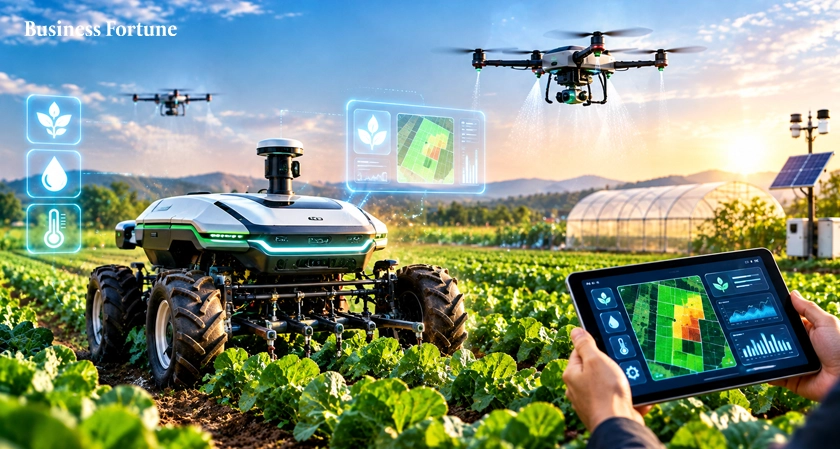
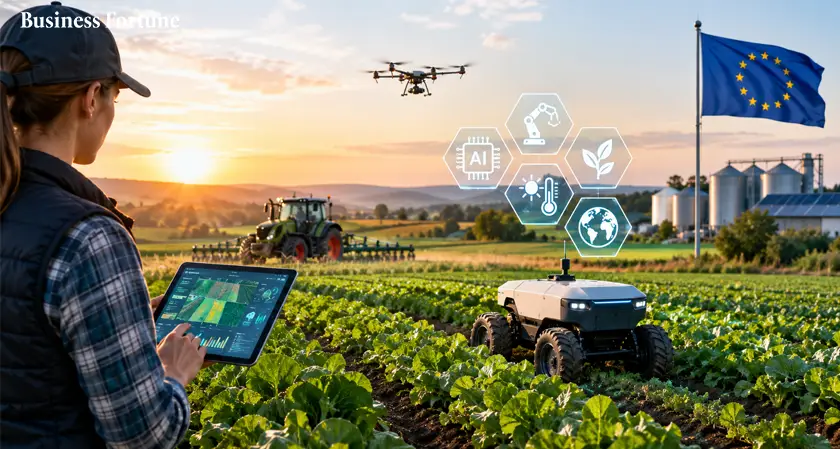
Precision agriculture
-
Digital farm management systems
-
Regenerative farming practices
These technologies could help farmers produce more food, feed, and fuel while using resources more efficiently.
Global Benefits Beyond American Farms
The report argues that biofuel demand could also improve food security worldwide. In many developing regions, crop yields remain significantly below their potential. Increased investment and technology adoption could help close these productivity gaps, especially in regions such as Africa.
As Business Fortune observes, the findings suggest that biofuels may play a much larger role than simply powering vehicles. If production expands alongside technological innovation, biofuels could help create a future where agriculture supports growing food needs, cleaner energy goals, and stronger rural economies at the same time. As policymakers and industry leaders plan for the decades ahead, biofuels may emerge as one of agriculture's most important growth opportunities.
FAQs
- What are biofuels?
Biofuels are renewable fuels made from agricultural crops, plant materials, or other biological sources. Common examples include ethanol and biodiesel.
- Why is biofuel demand important for farmers?
Biofuels create additional markets for crops, helping farmers sell more produce and maintain stable incomes.
- How could biofuels affect food security?
The study suggests that stronger agricultural demand can encourage investments in technology, increasing overall food and feed production.
- Will biofuel growth require more farmland?
Not necessarily. Researchers believe future yield improvements could significantly increase production without major farmland expansion.
- What industries could benefit from expanded biofuel production?
Agriculture, transportation, equipment manufacturing, seed technology, fertilizer suppliers, and rural businesses could all benefit from increased biofuel demand.


.webp)