Global energy security is threatened by tensions in the Strait of Hormuz, but Middle Eastern producers continue to ship oil and LNG.
Middle East producers are continuing oil and LNG loading despite renewed ship attacks, rising U.S.-Iran tensions, and uncertainty surrounding the Strait of Hormuz. Shipping data indicates that crude oil and liquefied natural gas movements are gradually recovering as Gulf exporters maintain operations, while markets closely monitor security risks around one of the world’s most important energy corridors.
Key developments include:
-
Saudi terminals continue crude oil tanker operations
-
Iran accelerates exports after temporary sanctions waiver
-
Gulf shipping activity remains below normal levels
-
Qatar and UAE maintain LNG export schedules
-
Oil prices react to changing regional risks
Gulf Producers Maintain Energy Shipments
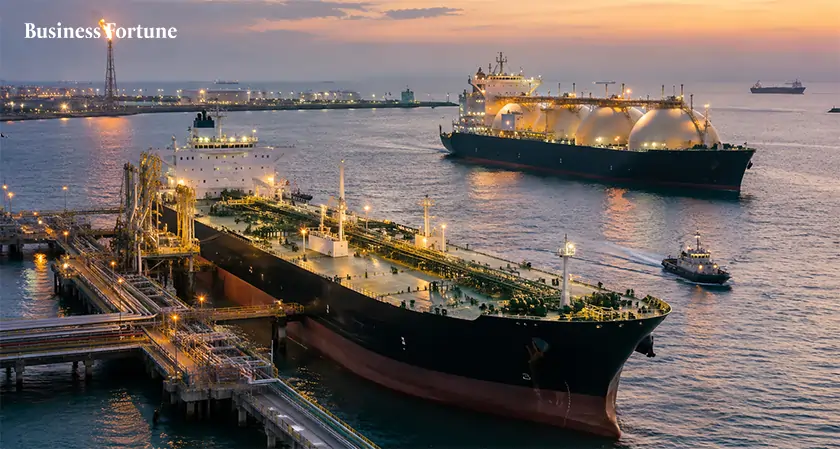
Saudi Arabia continued loading Very Large Crude Carriers at the Ras Tanura terminal, with vessels carrying up to two million barrels of oil. Despite recent security incidents, including tanker attacks and a helicopter crash involving a Saudi Aramco aircraft, shipping activity has remained active.
Several tankers temporarily switched off tracking systems while crossing the Gulf to reduce security risks. One vessel later reappeared after successfully exiting the Strait of Hormuz and began travelling toward Japan.
The Strait of Hormuz remains a critical route for global energy supplies, with Gulf nations responsible for a significant share of worldwide oil exports. However, current vessel traffic remains below pre-conflict levels.
Iran, Qatar and UAE Continue Export Operations
Iran has increased crude oil loading activity after Washington introduced a 60-day sanctions waiver covering its exports. Maritime intelligence data showed Iranian terminals resumed simultaneous operations, while multiple crude carriers moved through the waterway.
Meanwhile, Qatar and the United Arab Emirates continued liquefied natural gas exports. LNG carriers linked to QatarEnergy and Abu Dhabi National Oil Company maintained scheduled deliveries to destinations including India, Kuwait, and China.
Additional keywords shaping the market include Strait of Hormuz shipping, Gulf energy exports, global oil prices, LNG supply security, and Middle East tanker movements. Analysts said crude prices could remain pressured if reopening efforts continue, but renewed conflict risks could quickly reverse market trends.
Hence, Business Fortune believes that despite ongoing geopolitical risks, energy markets are still carefully balanced as Gulf exports continue.
FAQs
Why is the Strait of Hormuz important for energy markets?
It is a major global route for oil and LNG shipments.
Are Gulf countries still exporting oil during tensions?
Yes, producers continue loading and shipping energy cargoes.
How has Iran increased oil exports recently?
Iran resumed faster loading activity after a sanctions waiver.
Are LNG supplies from Qatar and UAE affected?
Current LNG shipments continue despite regional security concerns.
Could oil prices rise again due to conflict risks?
Yes, renewed hostilities could create upward pressure on prices.


.webp)