DFIs are reshaping Africa’s energy future by directing capital toward Kenya’s renewable projects, blended finance models, and sustainable infrastructure growth.
Development finance institutions (DFIs) are reshaping Africa’s renewable energy funding landscape by prioritizing markets with strong governance, regulatory stability and commercially viable projects. DFI investment in Africa energy is increasingly moving toward Kenya, where blended finance models, renewable infrastructure growth and institutional reforms are creating a stronger foundation for long-term capital deployment.
Kenya Becomes a Preferred Renewable Energy Investment Market
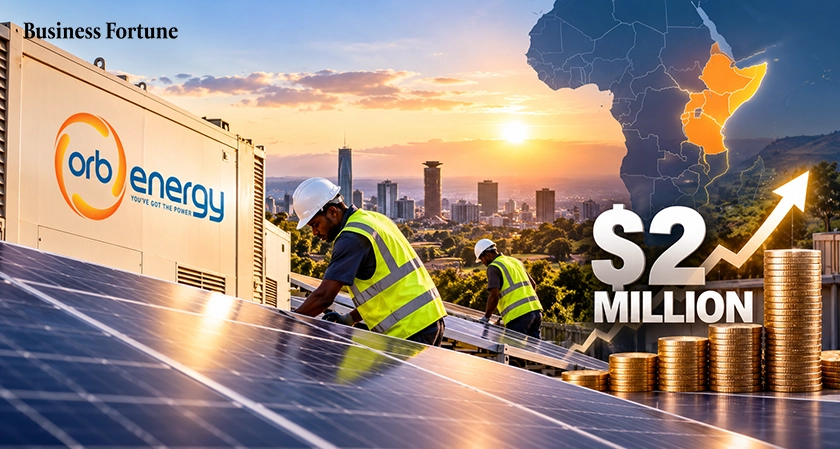
Kenya has emerged as a leading destination for renewable energy investment in Africa, supported by geothermal power expansion, wind projects and distributed solar solutions. DFIs are increasingly focusing on markets that can reduce investment risks while attracting private capital through structured financing models.
Key factors driving Kenya’s energy investment growth include:
- Stable regulations improving investor confidence across projects
- Strong geothermal and wind energy development progress
- Blended finance reducing renewable project risks effectively
- Expanding electrification supporting sustainable energy demand
- Private capital mobilisation through institutional partnerships
Blended Finance Strengthens Africa’s Energy Transition
The evolving role of development finance institutions reflects a shift from direct lending toward catalytic investment approaches. Through blended finance structures, DFIs combine concessional funding, commercial debt and private equity to unlock larger renewable energy investments across emerging markets.
Kenya’s renewable energy sector demonstrates how financial mechanisms can support distributed renewable energy platforms and improve project bankability. These models allow commercial investors to participate by reducing exposure to political and operational risks, helping accelerate clean energy financing across the region.
Infrastructure and Policy Shape Future Energy Growth
While renewable generation capacity continues expanding, electricity infrastructure in Africa remains a major challenge. Transmission networks, grid reliability and distribution systems require significant investment to support large-scale renewable integration.
DFIs are therefore expanding their focus beyond power generation toward complete energy ecosystems, including battery storage, grid development, electric mobility and renewable manufacturing. This broader approach aligns with Africa’s industrial growth ambitions and regional economic integration efforts.
Rising debt pressures, high interest rates and changing global climate finance priorities have made investment decisions more selective. Countries with transparent policies, reliable utilities and commercially structured energy projects are expected to attract greater shares of international funding.
Thus, Business Fortune is of the view that Kenya’s energy progress highlights how institutional strength can unlock Africa’s renewable investment future.
FAQs
Why are development finance institutions increasing focus on Kenya’s renewable energy sector?
Development finance institutions are prioritising Kenya because of its strong regulatory framework, renewable energy potential, improved electrification and ability to attract commercial investment.
How is Kenya becoming a leading market for renewable energy investment in Africa?
Kenya is strengthening its renewable energy market through geothermal power, wind energy, distributed solar solutions and innovative financing structures that support long-term growth.
How does blended finance help accelerate Africa’s energy transition?
Blended finance combines concessional funding, commercial loans and private investment to reduce project risks and unlock larger-scale clean energy financing.
What are the biggest challenges facing electricity infrastructure in Africa?
Africa’s energy expansion faces challenges including limited transmission networks, grid reliability issues, high financing costs and the need for major infrastructure upgrades.
What impact will DFI investment have on Africa’s future energy development?
DFI investment will help create investable energy markets by supporting renewable projects, attracting private capital and accelerating sustainable economic development across Africa.


.webp)




























Comments