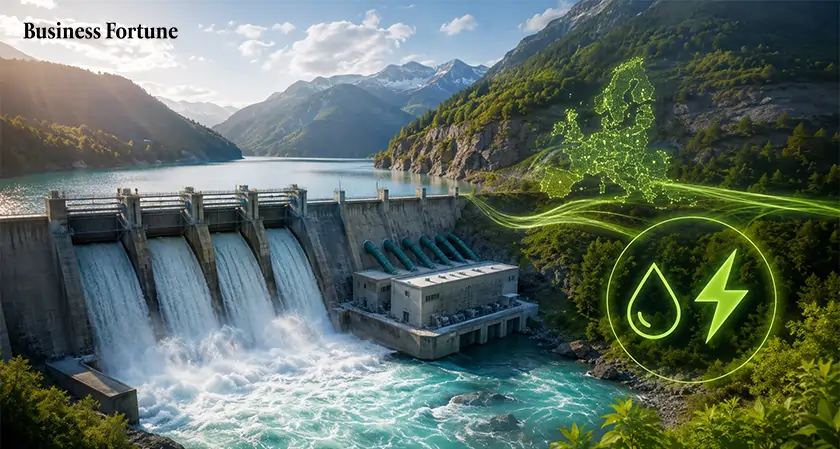
Europe could unlock 25GW of renewable capacity by hybridizing existing hydropower sites with wind, solar and storage technologies.
Europe hydropower potential is gaining attention as new analysis from Ember reveals that the region could add 25GW of wind and solar capacity at existing hydropower sites without requiring additional grid infrastructure. The study highlights how hybrid renewable projects across seven EU countries could accelerate clean energy expansion, improve grid efficiency and support Europe’s 2030 renewable targets by making better use of existing connections.
The report assessed hydropower facilities in Austria, Bulgaria, France, Italy, Portugal, Romania and Spain, finding that hybridization could help integrate 18% of the renewable capacity expected by 2030. By combining hydropower with wind, solar and storage technologies, developers can maximize existing electricity networks while reducing delays associated with new grid development.
Key findings from Ember’s renewable energy analysis include:
-
25GW renewable capacity possible at hydropower sites
-
Existing grids can support faster clean energy deployment
-
Hybrid projects significantly improve network utilization rates
-
Seven EU countries present major renewable integration opportunities
-
Policy reforms could accelerate hybrid project approvals
Hydropower Sites Offer Renewable Expansion Opportunities
Ember’s analysis shows that hydropower plants are well positioned for renewable hybridization because their grid connections often remain underused during certain periods. Adding solar or wind generation at these locations can improve infrastructure utilization while staying within existing export limits.
The approach could help renewable developers connect projects faster by avoiding lengthy grid expansion processes. According to Ember, hybrid renewable systems can potentially double grid utilization by allowing multiple clean energy sources to share a single connection point.
Policy Changes Needed to Accelerate Deployment
Despite the potential benefits, regulatory challenges continue to slow hybrid renewable energy projects across Europe. Ember noted that among the seven countries reviewed, only Portugal and Spain currently have dedicated regulations supporting hybrid renewable installations.
The organization believes national policy updates, simplified approval procedures and priority processing could help overcome these barriers. Such measures may strengthen Europe’s energy security by reducing dependence on imported fossil fuels and supporting the transition toward cleaner electricity generation.
The increasing focus on renewable integration reflects wider efforts across the European Union to manage rising pressure on electricity networks. As renewable energy production grows, improving the use of existing infrastructure is becoming an important strategy for achieving climate goals.
Ember Energy Infrastructures Lead Elisabeth Cremona said hybridization offers an immediate solution for countries facing grid congestion. She emphasized that political commitments must be supported by practical infrastructure strategies to ensure clean energy projects can progress efficiently.
Thus, Business Fortune believes that by strengthening energy resilience and optimizing current infrastructure, Europe's hydropower hybridization strategy could hasten the growth of renewable energy.
FAQs
What is Europe’s hydropower potential in renewable energy expansion?
Europe’s hydropower potential involves using existing hydropower sites to add wind and solar capacity through hybrid renewable projects.
How much wind and solar capacity can Europe add at hydropower sites?
According to Ember’s analysis, Europe could add around 25GW of wind and solar capacity without requiring additional grid infrastructure.
What is hybridization in renewable energy projects?
Hybridization combines multiple clean energy technologies, such as hydropower, wind, solar and storage, through a shared grid connection.
Which European countries have the potential for hydropower hybridization?
The study examined Austria, Bulgaria, France, Italy, Portugal, Romania and Spain for renewable hybridization opportunities.
How can hydropower hybridization support Europe’s clean energy goals?
It can improve grid efficiency, speed up renewable deployment and reduce pressure on electricity networks by making better use of existing infrastructure.


.webp)




























Comments