Liberia’s ambitious shift toward clean energy and infrastructure sparks debate as major investments raise hopes and questions about long-term impact.
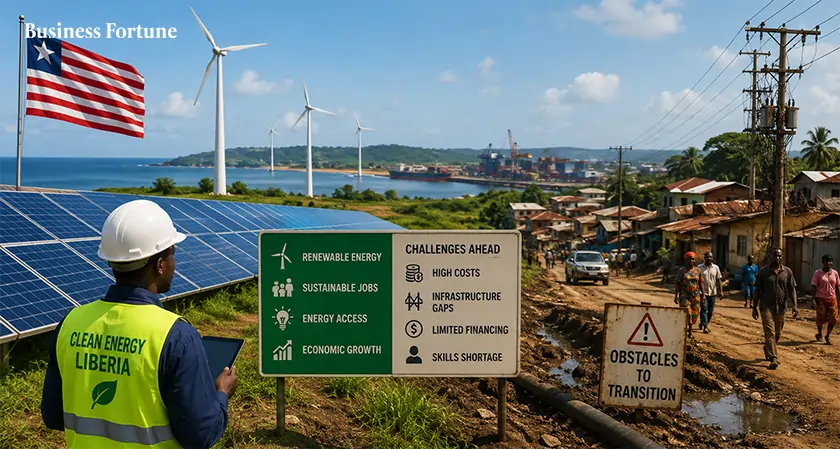
The Liberia clean energy transition gained fresh momentum on Monday as the government of Liberia signed 125 million US dollars in financing agreements with the World Bank to advance digital connectivity, renewable energy infrastructure and transport expansion, strengthening national efforts toward inclusive progress and regional integration.
Shortly after President Joseph Boakai dedicated a recently finished 20 MW solar photovoltaic power plant with the goal of expanding access to clean electricity across the country, the agreements were inked at the Mount Coffee Hydropower Complex.
The second phase of the Western Africa Regional Digital Integration Program (WARDIP 2), which will support innovation in e-commerce and digital payments all over West Africa, broadband expansion, cybersecurity strengthening, and digital governance systems, will provide Liberia with 50 million dollars as part of the financing package.
Can digital and energy investments accelerate regional integration?
The World Bank also authorized an additional US$57 million under the Regional Emergency Solar Power Intervention Project (RESPITE) to accelerate the implementation of renewable energy in Liberia. With the help of this finance, the Mount Coffee Solar Park will be expanded from 20 MWp to 30 MWp, battery energy storage systems will be installed, and the national grid will be improved for convenience and loyalty.
The $18 million second round of funding for the Southeastern Corridor Road Asset Management Project (SECRAMP) will assist in finishing ongoing construction along the 100-kilometer Ganta–Tappita corridor, a vital transportation route that is expected to improve regional connectivity, lower transportation costs, facilitate trade and improve access to markets and vital services in southeastern Liberia.
President Joseph Boakai praised the World Bank's support, describing the projects as major investments consistent with Liberia's ARREST Agenda for Inclusive Development. According to him, the efforts will accelerate the digital transition, support equitable economic growth, enhance the country's structure and give access to clean energy.
Liberia highlighted its dedication to working with development partners to ensure quick project delivery and efficient use of funding to optimize social and economic gains. According to experts, attaining long-term growth goals and enhancing resilience would need coordinated execution across the energy, digital and transportation sectors. The World Bank highlighted the need for ongoing teamwork with Liberia in order to support infrastructure development and policy improvements aimed at sustainable development and improved public services. The initiatives are expected to begin phased implementation soon.
Thus, Business Fortune is of the view that these investments will strengthen infrastructure, accelerate growth and deepen regional integration across.
FAQs
What is the total value of the World Bank funding for Liberia?
US$125 million across digital, energy, and transport sectors.
What does the digital funding support?
It supports broadband expansion, cybersecurity, and digital economy development.
How will the energy funding be used?
It will expand solar capacity, improve grid stability, and add battery storage systems.
What transport project is included?
The Ganta–Tappita corridor under SECRAMP, improving regional connectivity and trade.
How does this align with Liberia’s national agenda?
It supports the ARREST Agenda for inclusive development and economic growth.


.webp)