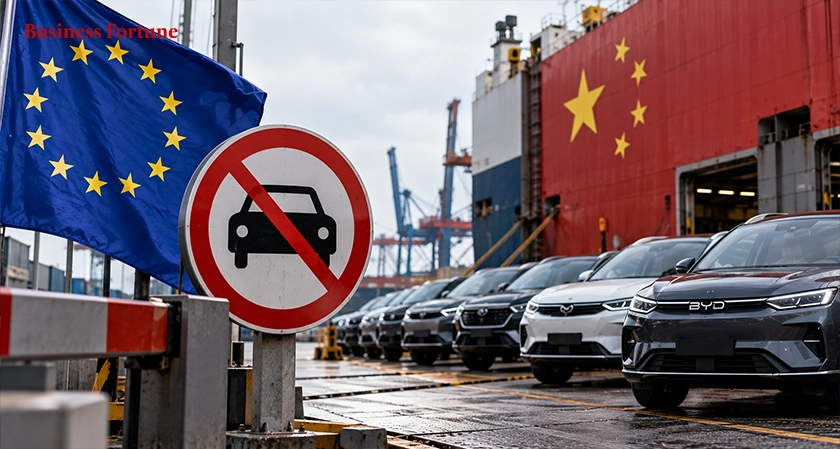
Luxury automakers' rapid EV transition raises concerns about Europe's traditional car industry competitiveness amid rising global cost and innovation pressure
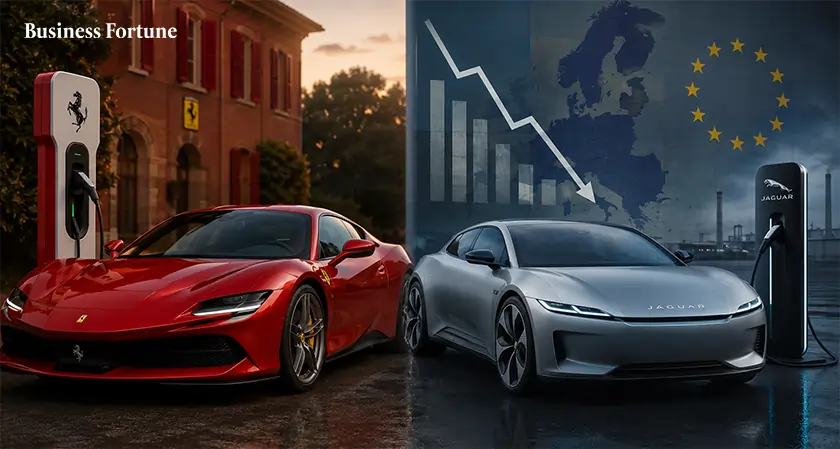
As luxury automakers like Ferrari and Jaguar show accelerate their transition to electric cars (EVs), concerns about the long-term sustainability of the continent's traditional car manufacturing base are growing, placing more stress on Europe's automotive industry.
Industry analysis indicates that mass-market brands are no longer the only ones experiencing the quick transition to electrification. Long thought to be protected by their exclusivity and pricing power, premium manufacturers are increasingly reordering their product approach around EV platforms. The progress has raised queries about whether Europe's auto industry can continue to dominate the world market in the face of growing competition and technological disruption.
Since its recent release, Ferrari's first all-electric vehicle, the Luce, has dominated discussions. With a 4 door, five seat layout and a fully electric motor, the vehicle marks a major shift from the brand's conventional personality. Despite the company's explanation of the action as a necessary step toward future expansion, aficionados and former officials have criticized the design and pricing, claiming it dilutes Ferrari's status.
As it phases out internal combustion vehicles in expectation of an all-electrified lineup, Jaguar has also garnered notice. The British brand's makeover is a component of a larger corporate makeover under Jaguar Land Rover, which is reorienting itself in reaction to changing consumer demands and stricter emissions rules.
These arrangements, according to experts, point to a more serious structural issue facing Europe's auto industry. While EV usage is growing worldwide, especially in China and some regions of North America, European manufacturers must contend with increased production costs, supply chain limitations, and growing rivalry from budget EV makers.
According to market analysis, both Ferrari and Jaguar claim that electrification is necessary to survive in a shifting market, despite criticism. Luxury companies may be in a better position than volume manufacturers because of their pricing power and brand loyalty, but they warn that execution risks are still very important.
As Europe navigates this change, the crucial query is whether legacy automakers can swiftly rebuild themselves to remain worldwide competitive in an EV-led future.
Thus, Business Fortune is of the view that Europe’s automakers must accelerate innovation and restructuring to withstand intensifying EV disruption and safeguard global competitiveness.


.webp)