Discover how a 16-year-old is using 3D printing earthquake relief efforts to create medical splints for victims of Venezuela's devastating earthquakes.
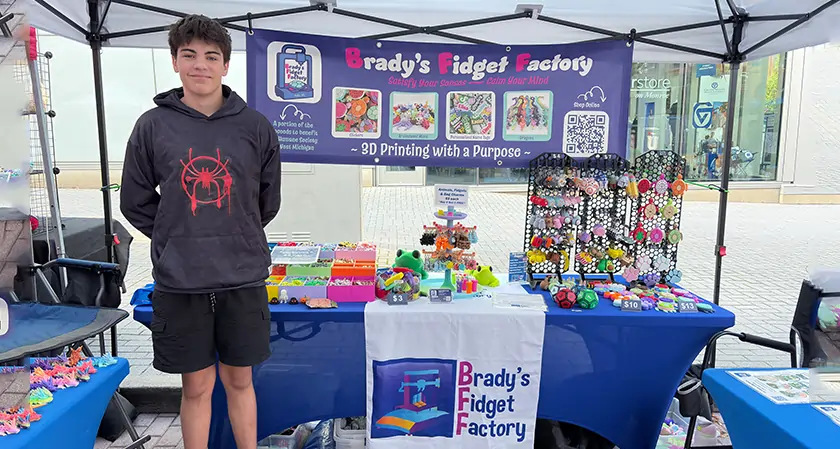
The growing role of 3D printing earthquake relief is being highlighted in an inspiring way by a 16-year-old entrepreneur from Ada, Michigan, who has transformed his small 3D printing business into a mission to support victims of the devastating Venezuela earthquakes.
Venezuela is currently facing a major humanitarian crisis after twin earthquakes struck the country, leaving nearly 1,500 people dead and thousands more injured. As rescue and recovery efforts continue, hospitals are struggling to meet the demand for medical supplies, especially orthopedic equipment needed to treat fractures and other injuries.
A Hobby Became a Lifeline
For teenager Brady Ashcroft, what started as a hobby with a single 3D printer has grown into a fleet of eight machines. Normally, the printers produce custom keychains and fidget toys for his online business. But after seeing reports of the disaster through online 3D printing communities on Reddit and Discord, he decided to put his equipment to work for a different purpose.
Brady is now printing lightweight medical splints designed to help earthquake victims. The digital designs were shared online by a Venezuelan 3D printing company after hospitals reported an urgent need for orthopedic supplies.
Can a Home 3D Printer Help Save Lives?
The answer appears to be yes. Each splint takes around 90 minutes to print and is made from a material that softens in warm water. Medical workers can mold the splint to fit a patient's arm before it hardens again, creating a customized support device. So far, Brady has produced around 100 splints and plans to continue printing as quickly as possible. Time is critical because the supplies are needed immediately in affected areas.
A Global Community Comes Together
Brady is not working alone. He is part of a worldwide network of volunteers using 3D printers to create medical supplies for Venezuela. Social media platforms have become coordination hubs where makers share designs, organize shipments, and respond to urgent needs. His family has also joined the effort. While Brady handles printing and packaging, his parents help operate printers overnight, and his sister manages updates on social media.
Small Technology, Big Human Impact
As Business Fortune observes, this project shows how accessible technology can make a meaningful difference during emergencies. With relatively low costs and readily available equipment, volunteers can quickly produce useful medical tools when traditional supply chains are under pressure. For Brady, helping others has become more important than business. He has temporarily paused customer orders to focus on relief efforts and hopes to assist in future disasters as well.
As 3D printing technology becomes faster, more affordable, and widely available, its role in disaster response is likely to expand. From medical devices to emergency shelters and replacement parts, the future of humanitarian aid may increasingly be shaped by people who can create solutions from anywhere in the world with the push of a button.
FAQs
What is 3D printing earthquake relief?
It refers to the use of 3D printing technology to create emergency supplies, medical devices, and other essential items for people affected by earthquakes and other disasters.
What are the 3D-printed splints used for?
The splints help support and stabilize broken or injured limbs, making them useful for treating earthquake victims.
How long does it take to print one medical splint?
According to the project, each splint takes about 90 minutes to print.
Why are 3D-printed medical supplies valuable during disasters?
They can be produced quickly, customized for patients, and manufactured locally when traditional supply chains are disrupted.
Could 3D printing play a bigger role in future disaster relief efforts?
Yes. Experts believe 3D printing could help produce medical equipment, emergency tools, replacement parts, and even temporary housing in future crises.


.webp)