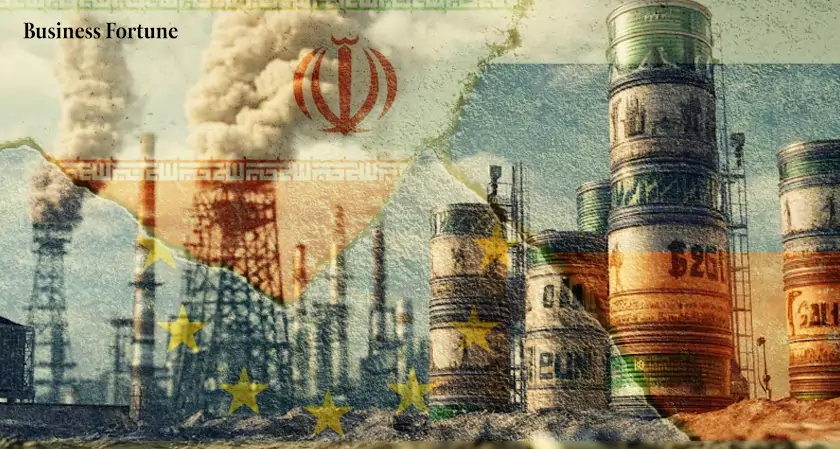
Europe faces rising electricity costs as Iran war disrupts energy supply, accelerating clean energy shift while increasing pressure on households and industries
Clean energy is receiving more attention in Europe's power markets as regional electricity prices rise sharply due to geopolitical pressures related to the war in Iran, highlighting the Iran war impact on Europe.
The ongoing conflict has tightened energy supply lines and increased fuel prices after military strikes earlier in 2026 interrupted global oil and gas supplies. Because of this, wholesale electricity prices are increasing in a number of European countries, especially those that depend significantly on natural gas imports. Due to their susceptibility to unstable fossil fuel markets, standard electricity costs have increased deeply in key economies like Germany and Italy, reflecting a broader Europe electricity price increase trend.
Conversely, countries that depend more heavily on renewable energy sources are showing greater durability. Despite the general market conflict, countries like Albania, which gets more than 90 percent of its electricity from hydropower, have been able to maintain rather solid prices. Similar to this, France and Spain have experienced more modest differences in prices due to their nuclear and clean energy resources.
The crisis is bringing clean energy's strategic importance in increasing energy security to light. Analysts claim that clean energy sources protect markets from geopolitical shocks while also lowering reliance on overseas fuels. The move is not without difficulties, however. For example, a greater reliance on solar energy might lead to grid management problems like the "duck curve," which can cause changes in the availability and cost of electricity, contributing to the ongoing electricity price increase in Europe.
The financial effect is already being felt by people and businesses across Europe, with rising electricity costs Europe continuing to put pressure on households and industries, and more cost constraints are expected in the future. Although such efforts may put a strain on public finances, policymakers are observing ways to reduce the impact, such as lowering power taxes.
Inclusively, the current energy shock emphasizes the importance of accelerating the adoption of clean energy, making renewables a key component of Europe's long-term energy strategy.
Thus, Business Fortune is of the view that accelerating clean energy adoption is essential to stabilize Europe’s power markets amid ongoing geopolitical disruptions.
About The Author
Mahadharani Vijay is a writer specializing in digital marketing, electric and concept cars, gadgets, and media and entertainment. She focuses on turning emerging trends and innovations into clear, engaging, and accessible stories for both professionals and wider audiences.


.webp)