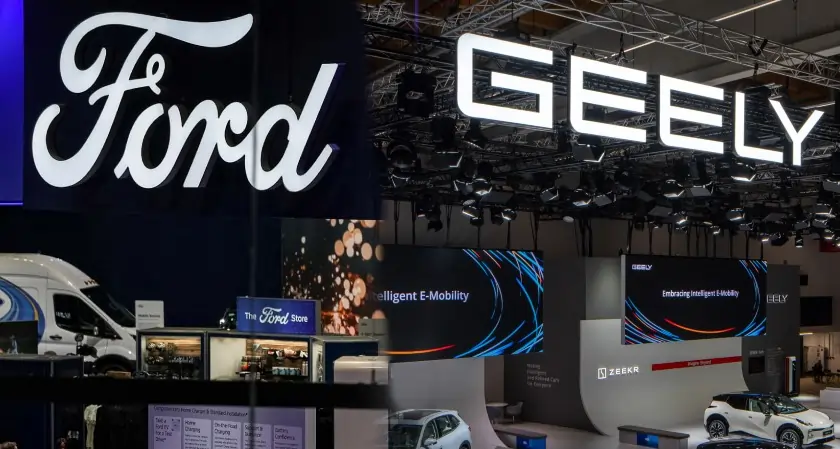
Ford and Geely plans for a manufacturing and technology partnership in Europe for regional expansion.
American automotive giant Ford and Chinese manufacturer Geely are in discussion about forming a production and technology partnership that could redefine how global automakers deal with electric vehicle competition, trade obstacles, and quickly changing automotive technologies. While the conversations are still ongoing, they represent a larger rebalancing of the global automobile sector as legacy manufacturers deal with cost challenges and innovation gaps.
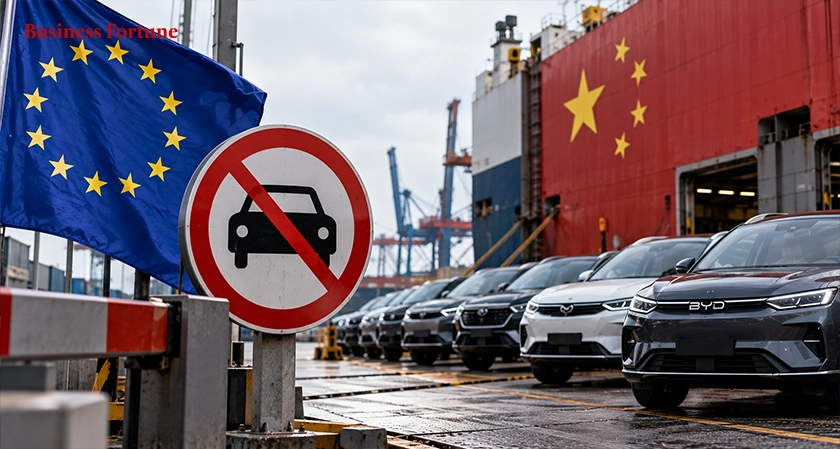
European policymakers have been closely investigating Chinese EV imports, expressing concerns about state subsidies and market alterations. Hence, Tariffs could dramatically increase expenses for Chinese automakers that export vehicles directly from China to the European Union.
With the possible partnership between Ford and Geely, the agreement may allow Geely to reduce its tariff vulnerability and speed up its regional expansion by producing cars in Europe utilizing Ford's factory space. And it also might help Ford maximize its current assets at a time when European demand is still uneven and legacy automakers are facing overcapacity issues.
Rapid advancements in EV platforms, battery integration, and digital vehicle systems have allowed Chinese automakers, like Geely, to enter the market more quickly and more affordably than their Western rivals. Ford, on the other hand, offers decades of knowledge in safety engineering, manufacture, and regulations in developed markets. Both businesses may be able to shorten development cycles, lower R&D expenses, and boost competitiveness in an increasingly software-driven automobile market with a formal technology-sharing agreement.
If the partnership is confirmed, the cooperation would have significant effects on Europe's automotive sector. Local manufacturing might maintain employment at Ford's European facilities while launching new car initiatives that more closely match developments in EV demand. Additionally, Europe may develop into a neutral manufacturing center where international automakers work together to effectively serve local customers.


.webp)