Millions of people, particularly children, are at risk of starvation and avoidable diseases if immediate humanitarian action is not taken, according to Doctors Without Borders.
Doctors Without Borders, also known by its French acronym MSF, warns that Somalia is experiencing a worsening health and nutrition crisis as a result of several unsuccessful rainy seasons, skyrocketing water prices, and drastic cuts to humanitarian aid, which are driving an increase in malnutrition and outbreaks of avoidable diseases.
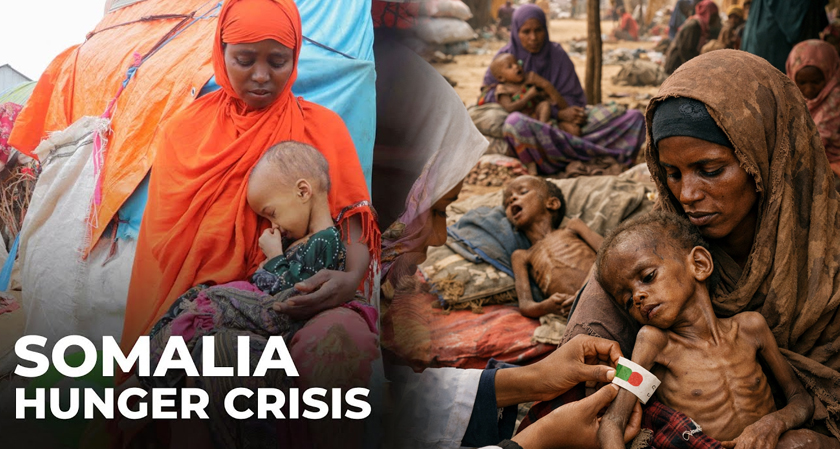
The organization reported on Tuesday that its teams in Somalia had been observing "a worrying trend" of more children coming to overcrowded camps with diseases that can be prevented, such as acute watery diarrhea, diphtheria, and severe acute malnutrition.
According to Allara Ali, MSF's project coordinator in Somalia, children are frequently arriving at hospitals in poor condition after traveling for days without food or drink.
The government of the East African country declared a drought emergency in November, but humanitarian organizations claimed that because financing is at its lowest point in ten years, the response has stalled.
Ali also mentioned that the drought has dried up the support networks that families depend on, in addition to wells.
Four consecutive failed rainy seasons have put 4.4 million people, including 1.85 million children under five, at risk of catastrophic food shortages in Somalia, one of the most climate-vulnerable countries in the world. More than 3.3 million people have been displaced, the majority of them in camps in Mudug and Baidoa.
Aid has decreased despite growing need: since early 2025, more than 200 nutrition and health facilities have closed, and the number of individuals receiving food assistance each month has dropped from 1.1 million to 350,000. While therapeutic feeding admissions increased by 35% in Mudug, MSF recorded a 48% increase in severe acute malnutrition patients and 189 probable measles infections in Baidoa in October, 95% of whom were unvaccinated.
With limited access to water and sanitary facilities, displacement camps have turned into disease hotspots. In Baidoa and Mudug, a 200-liter (53-gallon) barrel of water costs between $2.50 and $4, making it unaffordable for many families.
Aid workers claim that the issue, which has been made worse by the severe dry season, is hardly addressed by the present efforts. MSF's Somalia representative, Elshafie Mohamed, noted that millions of people lack access to basic healthcare, food, and water, calling the situation predictable and preventable. MSF warns that without coordinated action, avoidable fatalities will continue to rise and calls on donors and authorities to immediately increase feeding programs, immunizations, and water services; invest in climate-resilient infrastructure; and support crucial healthcare.


.webp)