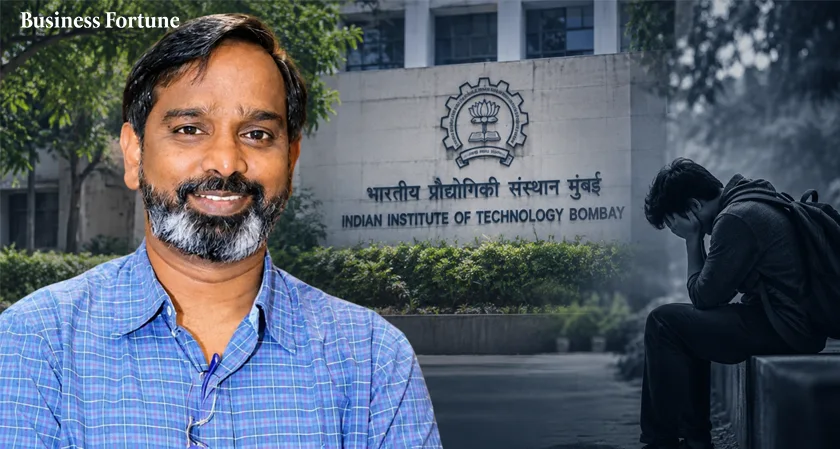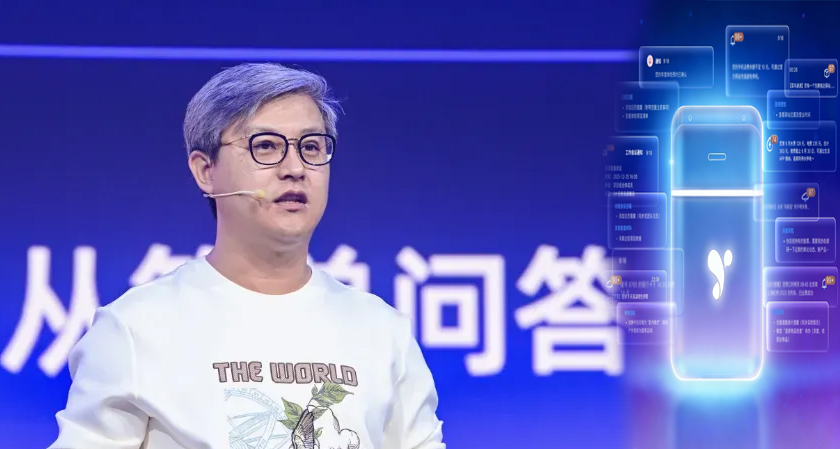
The former youngest vice president of DingTalk Wang Ming launches K2 Lab, an AI startup that raised millions to build 'Shopify for AI Agents'.
Former DingTalk Vice President Wang Ming, one of Alibaba Group's youngest executives, made his new business effort on public. With just Yunshi Capital's support, his firm, K2 Lab, has closed a seed round valued at tens of millions of RMB (equals multi-million USD).
Wang Ming's made decision to start a business stems from a simple belief that the ultimate value of technology does not lie in showing off skills, but in whether it can truly serve people.
Wang oversaw the development of large-model ecosystems and AI application projects while he was engaged at DingTalk. He became well-known after he and investor Zhu Xiaohu involved in a high-profile discussion on the potential financial viability of massive language models. Wang's new business, which focuses on creator monetization, blends years of expertise with corporate products with his belief in the future of AI.
Mora, the flagship product of K2 Lab, is a full-stack AI Agent solution that can manage product selection, content development, video generation, distribution, operations, and data analytics from start to finish.
Wang argues that the overflow of AI-generated content has caused a trust crisis among the people and AI technology is profoundly reshaping the production relations. But K2 Lab differentiates itself through: A results-based pricing model instead of traditional SaaS subscriptions, using a base fee plus commission structure, a multi-agent architecture integrating capabilities from nearly 20 leading large language models and the ability to generate TikTok-style shoppable videos within 30 seconds, significantly lowering the barrier for creators.
Wang Ming thus thinks that the true AI chances for entrepreneurs are not just in the big models themselves but also in taking use of the new opportunities created by the economic revolution in the new era: how to make AI "affordable, accessible, and useful" for regular people. Rather of turning people into AI operators, one should make AI an extension and replacement of humans, converting people's personal appeal, professional expertise, lifestyles, and aesthetic preferences into online intellectual property (IPs) that may serve as trust anchors.
.webp)