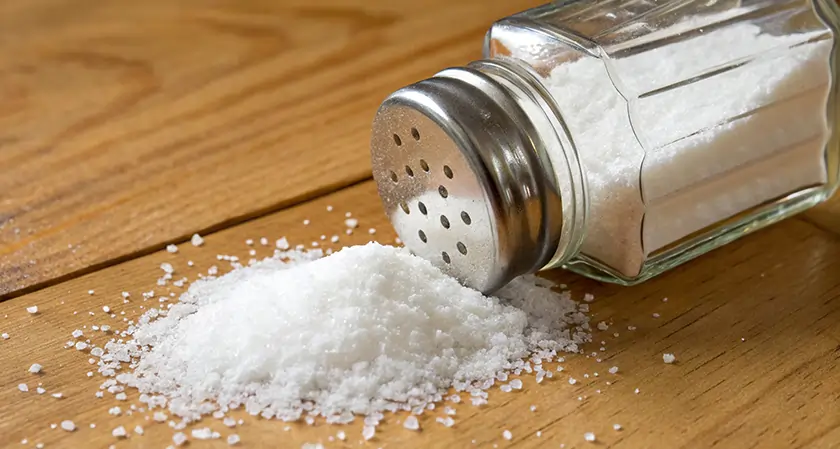
Although salt is a very small yet essential component of a balanced diet, it is killing you in silence. Salt is necessary for the body to carry out essential biological functions. Salt is necessary for maintaining cellular metabolism, producing stomach acids, maintaining enough hydration, and supporting healthy neuron and muscle function. About 5 grams of salt should be consumed daily by healthy persons, according to WHO recommendations. The average Indian eats more than 8 grams of salt daily, according to a recent ICMR study. Regularly consuming excessive amounts of salt can lead to fluid retention, kidney stones, hypertension, and kidney strain. Additionally, it raises your chance of osteoporosis, stomach cancer, cardiovascular disease, and inflammation in a number of organs. If you have a kidney or cardiac issue, you should watch how much salt you eat since too much salt might aggravate your pre-existing illness.
The Tiny Mineral Powering Your Cells, Muscles, Nerves, and Hydration
Salt is necessary for the human body to operate correctly. Sodium, an important element found in salt, serves a variety of biological purposes in the body. An essential part of extracellular fluid, sodium supports cellular metabolism. Another essential part of the sodium-potassium pump (Na+/K+-ATPase) is sodium. Transporting potassium and sodium ions across the cell membrane is the function of this vital membrane protein. In contrast to their inherent gradient of concentration, this "pump" transports potassium and sodium ions across the cell membrane. This controls the volume and pH of cells, aids in waste elimination, and supports the function of nerve and muscle cells.
Salt is essential for maintaining the proper operation of the neurological system. Variations in sodium ion concentrations produce micro currents that enable neurons to communicate with one another as well as with different bodily muscles and tissues. Muscle contraction and relaxation are facilitated by the interaction of sodium and potassium. Muscle cramps are caused by a deficiency of these electrolytes.
Also, salt includes chloride ions, which are a crucial part of the stomach's gastric secretions (HCl), which aid in the breakdown of food into components that can be digested. Additionally, HCl eliminates any remaining bacteria in our meals, eliminating food-borne illnesses.
Additionally, salt is essential for proper hydration. Salt's sodium draws water to it and makes it easier for the intestines to absorb it. We refer to this as sodium-glucose co-transport. For this reason, oral rehydration solutions (ORS) are flavored with salt. When your body requires more water, the amount of salt in your body also causes thirst, which signals you to drink more. Sodium aids in maintaining appropriate blood volume and pressure, as well as helping you retain the water you consume. Without this, the blood's ability to carry oxygen to different body areas is severely compromised.
How Excess Sodium Is Quietly Raising Health Risks
The typical healthy adult should consume less than 5 grams of salt per day, according to the World Health Organization (WHO). This amounts to around 2000 milligrams of sodium daily. According to recent research conducted by the Indian Council of Medical Research (ICMR), the typical Indian adult eats around 8 grams of salt daily (8.9 grams for males and 7.1 grams for women), which is over 60% more than the daily recommended allowance. Additionally, they propose that the primary cause of this is the rise in the intake of highly salted processed and prepackaged meals. This covers ready-to-eat items, restaurant cuisine, and packaged snacks like chips. To improve flavor and make the dish tasty, restaurants employ a lot of salt (and fats). However, there may be unintended health effects from this.
A diet heavy in salt can harm the body in many ways, including:
- High blood pressure
- Bloating and swelling in the hands and feet
- Headaches
- Stones in the kidneys
- A higher chance of strokes and cardiovascular disease
- Elevated inflammation in the body's different organs
- A higher chance of developing stomach cancer
- A higher chance of developing osteoporosis
Why Heart, Kidney, and Hypertension Patients Must Keep Salt on a Tight Leash
While the typical healthy adult needs 2000 mg of salt daily, what about people with certain medical conditions? It is recommended that those with heart disease, high blood pressure, and renal disease restrict their daily salt consumption to 1000–1500 mg.
Consuming too much salt can put a lot of strain on the kidneys of those who have renal disease. The kidneys get overwhelmed when they filter out too much salt. The body begins to retain more fluid because the kidneys are unable to adequately filter out the extra salt. As a result, their blood pressure rises and their injured kidneys continue to degenerate.
It is well recognized that a diet heavy in salt can raise blood pressure. For people who already have heart disease and high blood pressure, this is risky. It may result in life-threatening side effects, including dyspnea that requires hospitalization. You should follow a low-sodium diet if you have any of these conditions. General practitioners advise looking for low-sodium meals with 140 mg or less of salt per serving while eating packaged or processed foods.
Smart, Flavorful Ways to Slash Your Salt Intake and Protect Your Health
Unknowingly, the majority of us consume significantly more salt than we require, but it's simple to reduce that amount without compromising flavor with a few thoughtful adjustments. To improve your dishes, start by replacing salt with fresh, zesty ingredients like vinegar, lemon juice, herbs, and spices. Develop the practice of reading the nutrition labels on packaged foods. This easy step can help you identify hidden sodium and make wiser decisions, such as choosing unsalted fruits and nuts or low-sodium selections. Another effective strategy to manage your salt intake is to cook more often at home, which lets you keep track of how much you're consuming.
Steer clear of salt entirely and rely on strong, natural tastes if you're on a strict low-sodium diet, such as if you have kidney or heart issues. Avoid processed and preserved foods that are high in salt, such as sauces, pickles, canned products, and frozen ready-to-eat meals. Avoid eating out too much, especially more than once a day, as even restaurant meals may be a hidden trap because cooks put flavor above health. Lastly, if you're serious about cutting back on salt, speak with a qualified dietitian or nutritionist who can create a customized meal plan to help you stay on track with your health objectives.
Conclusion – Finding the Right Balance for Better Health
Life depends on salt, but like with other things, moderation is essential. Excessive salt consumption can subtly harm your heart, kidneys, bones, and general health, even though it is necessary for vital processes like nerve communication and hydration. You may still enjoy tasty foods while protecting your health by reading food labels, consuming less salt, and opting for fresh, home-cooked meals rather than manufactured ones. Strict moderation and expert advice are crucial for those with heart, renal, or blood pressure problems to avoid consequences.


.webp)