While many of us enjoy staying connected on social media, excessive use can fuel feelings of addiction, anxiety, depression, isolation, and Fear of missing out (FOMO). Here’s how to modify your habits and improve your mood.
Introduction :
Human beings are inherently social creatures, and our mental health and happiness depend on fostering relationships with others. Never underestimate the power of human connection because it has the incredible ability to alleviate stress, anxiety, and depression, thus promoting self-worth. While social media platforms like Facebook, Twitter, and Instagram provide ways to connect, they can never truly replicate face-to-face interactions, which effectively trigger the release of hormones responsible for reducing stress and enhancing our overall well-being.
Paradoxically, excessive reliance on social media can result in feelings of isolation and exacerbate mental health struggles. If your use of social media leaves you feeling sad, frustrated, or lonely, it is wise to consider making transformative changes in order to improve your well-being.
Understanding Social Media Addiction
-
Definition of social media addiction
-
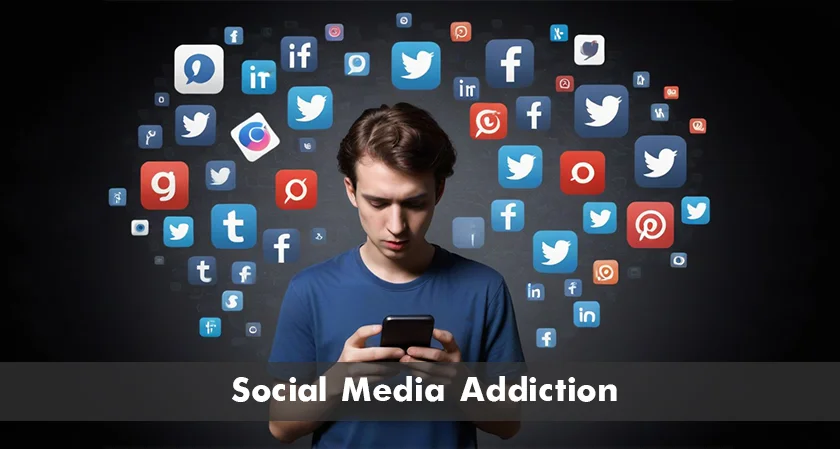
Social media addiction is an obsession with social media that makes it hard to control the urge to use it, leading to spending too much time on it and neglecting other important areas of life.
-
Factors contributing to social media addiction (e.g., design features, psychological factors)
-
The main factors contributing to the addiction to social media encompass low self-esteem, dissatisfaction, depression, hyperactivity, and a dearth of affection, particularly rampant among individuals aged 16-24. Teenagers are more vulnerable because they tend to act on impulse, seek validation from others, and try to fit in with a specific group. Such a dependency on external opinions can ensnare them in the clutches of addiction. Prevalence of social media addiction is linked to Fear of missing out (FOMO).
-
Social media addiction rates are increasing every year. It is estimated that 56.8% of the world's population is active on social media. In the US, California State University reports that about 10% or 33.19 million Americans are addicted to social media.
Effects on Mental Health
-
Anxiety and stress levels
Spending time on social media sites like Facebook, Instagram, and Twitter can be stressful and negatively affect mental health. It may cause depression and anxiety. The stress can come from various sources, such as misinformation and the Fear of missing out (FOMO)on group events. There are ways to avoid negative effects of social media and there may also be some unknown benefits to using it.
-
Depression and mood disorders
Face-to-face contact is important for mental health. Eye contact with someone who cares about you reduces stress and improves mood. Prioritizing social media over in-person relationships increases the risk of anxiety and depression.
-
Sleep disturbances
Looking at phone screens before bed can affect sleep. The blue light emitted by mobile phones is particularly good at keeping us awake and focused during the day. However, at night, this is not ideal. Light exposure before bed can make it harder to fall asleep because it signals our body to stay awake. For example, using a bright phone screen before bed can interfere with our ability to prepare for sleep.
When it gets dark, our brains make a hormone called melatonin. This hormone makes us feel less awake and ready for sleep. The blue light from mobile phones affects our melatonin levels more than any other type of light. It tricks our brain into thinking it's still daytime, which suppresses melatonin production and delays sleep.
Without melatonin signaling that we're sleepy, we remain awake and alert, in a state of "cognitive arousal".
-
Low self-esteem and negative body image
Social media can lead to comparing ourselves with others, especially for young women, causing feelings of inadequacy and low self-esteem. Research shows that frequent comparison with others can lead to body dissatisfaction. Using social media like Facebook can make young women feel bad by comparing themselves to others who seem happier or more fulfilled. Social media promotes unrealistic beauty standards, which can make people feel dissatisfied with their own bodies and develop body dysmorphia. Studies consistently link social media use to issues related to body image and disordered eating for both men and women.
Impact on Relationships
-
Social isolation
Substituting social media for face-to-face communication can affect existing relationships and hinder the formation of new ones. People with social anxiety may experience difficulties forming in-person relationships when relying on social media. Using social media extensively can also lead to a lack of in-person relationships and negatively impact family and friendship ties. However, further research is needed to fully understand these effects.
-
Relationship conflicts
Excess social media use negatively affects quality time, creates conflict, and reduces relationship satisfaction. Increased Instagram usage leads to less satisfaction, more conflict, and negative outcomes. Sacrifices for the partner have a positive effect on satisfaction and decrease conflict. Phubbing is rude, reducing emotional connection and trust, causing jealousy, and weakening the bond between romantic partners.
-
Decreased intimacy
Social media fails to capture the complexity and subtleties of face-to-face communication, leading to miscommunication and misunderstandings. Innocent messages can be misinterpreted, straining relationships.
-
Unrealistic relationship expectations
Social media often shows idealized versions of reality, creating unrealistic relationship expectations and worsening body image and self-esteem issues. Comparing our own experiences with carefully crafted online content can be harmful.
Cognitive Impairment
Social media has drastically changed the way we communicate, learn, share and engage with the world— it’s also changing the way our brain functions.
According to Pew Research, more than 69% of adults and 81% of teens use social media daily, with more than 90% of teens using it for more than 4 hours a day. The constant ability to access social media through smartphones means our brains are exposed to high volumes of stimulation and our neurons are firing all day long, which creates changes in the neurological architecture of our brain.
Research demonstrates regular social media use is changing our brain structure, function and cognitive development in three key areas:
-
Attention capacity
-
Memory and Information Processing
-
Social and Emotional Response
Behavioral Consequences
Social media can negatively affect teens by distracting them from homework, exercise, and family activities, disrupting their sleep, and exposing them to biased or incorrect information. It can also lead to cyberbullying, unrealistic views about others' lives, and exposure to online predators. Spending excessive time on social media has been linked to poor mental health and well-being in teens. Viewing certain types of content, such as illegal acts or self-harm, can also raise mental health risks. Teens' choices of what to share on social media can have negative consequences, leading to regret and potential bullying, harassment, or blackmail.
Coping Strategies and Prevention
-
Setting boundaries and time limits
Reducing social media use to 30 minutes a day can decrease anxiety, depression, and loneliness. Set phone alerts to track the time. Stick to it for these benefits.
-
Engaging in offline activities
Establish mindful routines around daily screen use by incorporating screen-free activities such as journaling, gratitude, and meditation.
-
Practicing digital detox
Take regular breaks, alternate between digital and non-digital activities, implement a schedule for device usage, consciously limit screen time, establish a mindful approach.
Conclusion :
In conclusion, there is no denying social media's widespread impact on mental health and wellbeing. Even though these platforms provide a means of expression and interaction, overuse can result in addiction, anxiety, sadness, and even cognitive decline. Research has shown that the effects of social media addiction go beyond one's own wellbeing and can also have an influence on relationships, sleep patterns, and general cognitive function.
However, people can regain control over their digital habits and prioritize their mental health in an increasingly connected world by understanding the underlying factors contributing to addiction and putting effective coping strategies like setting boundaries, participating in offline activities, and practicing digital detox into practice. In the end, developing a healthy relationship with social media is crucial to maintaining general wellbeing in the digital age and real human connection.
FAQ:
1) What are the signs of social media addiction?
Anxiety or irritability when social media is unavailable, neglecting obligations or relationships because of social media use, and experiencing withdrawal symptoms when attempting to reduce use are all indicators of social media addiction.
2) Can social media addiction be treated?
Addiction to social media can be addressed, yes. Therapy, support groups, cognitive-behavioral methods, and creating better digital habits are all possible forms of treatment. Consulting with an addiction-focused therapist or counselor can offer direction and encouragement.
3) How can I tell if my social media use is healthy or unhealthy?
Your emotional reactions to social media interactions, the amount of time you spend on them, how they affect your relationships and everyday life, and whether you feel in control of your usage are all important considerations when evaluating the health of your social media use.
4) What are some alternative activities to reduce social media usage?
Other activities that can help cut down on social media use include going outside, exercising, reading books, taking up hobbies or creative endeavors, exercising, interacting in person with friends and family, practicing mindfulness or meditation, and pursuing goals for personal or professional growth.
5) Is it possible to use social media in a healthy way?
It is true that social media usage can be done in a healthy way. In order to maintain a healthy balance, this entails establishing boundaries and usage limits, being aware of how social media influences your mood and behavior, giving priority to in-person interactions, creating a supportive and upbeat online community, and routinely assessing and modifying your digital habits.


.webp)