It's common to compare climate change mitigation to a school group project where everyone is involved but only a few are contributing the necessary amount of work; there's a lot to do but not enough time or money to do it.
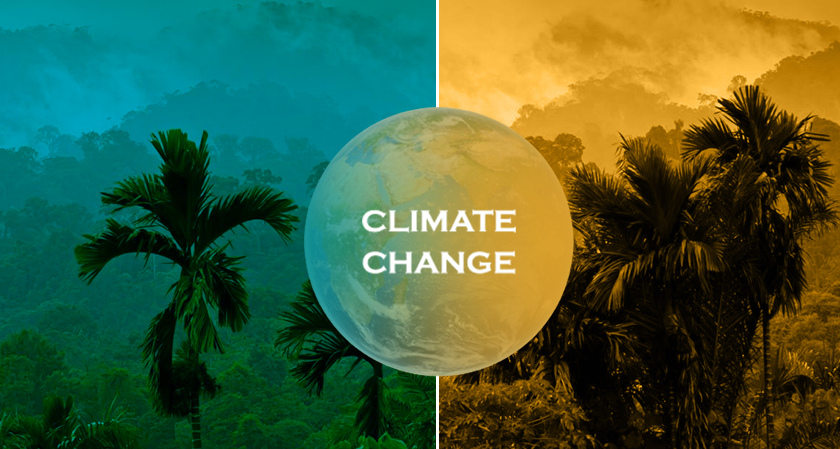
For many years, geologists thought that Southeast Asia changed from a lush rainforest to a huge, dry savannah around 19,000 years ago, during the Last Glacial Maximum. This presumption stoked worries about how resilient the rainforests in the area would be to global warming. A mosaic of several closed and open forest types continued to exist throughout Southeast Asia during the period, according to a new study, painting a significantly more nuanced picture of the past.
The group examined information from 59 paleoenvironmental sites in the area, including biochemical fingerprints and pollen grains preserved in lakes. In certain places, grasslands expanded, although woods continued to exist. This implies that, if a diversity of landscape types is preserved, Southeast Asia's tropical forests might be more resistant to climate change than we previously believed.
According to the research, montane forests over 1,000 meters in elevation flourished during the Last Glacial Maximum's colder and drier climate, whereas lowland areas underwent a transition to seasonally dry woods with a naturally grassy understory. A more varied and robust ecosystem was produced by the differences in forest types than would have been possible with a uniform savannah.
The study's conclusions point to the need for safeguarding a range of forest types, such as montane forests and seasonally dry forests, in order to stop the "savannization" of the area's rainforests in the face of climate change.


.webp)