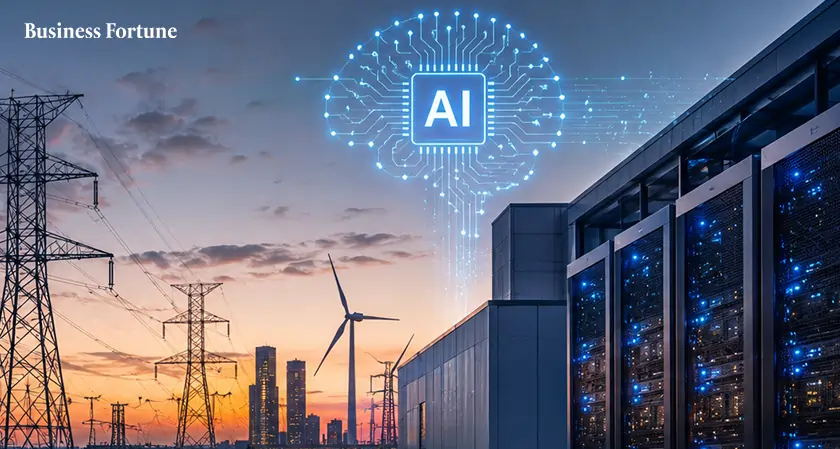
Grid Modernization for AI Data Centers is gaining momentum as U.S. regulators push faster power connections to support growing AI infrastructure demand.
Grid Modernization for AI Data Centers is moving to the center of U.S. infrastructure discussions as federal regulators push to connect large AI facilities to the electric grid more quickly. The move comes as demand for artificial intelligence continues to surge, creating an urgent need for more computing power and the energy required to support it.
The U.S. Federal Energy Regulatory Commission (FERC) recently approved measures aimed at speeding up grid access for AI data centers and other large electricity users. Regulators say the goal is to modernize the nation’s aging power network while supporting economic growth and technological leadership.
A Historic Push to Expand AI Infrastructure
FERC Chair Laura Swett described the decision as a major step forward for the country's electricity system. Under the new order, regional grid operators must show how they will accelerate connections for large power users, particularly projects that can supply some of their own energy or reduce demand during periods of grid stress.
The commission has also set deadlines requiring grid operators to respond quickly with plans for handling future data center growth.
Why Are AI Data Centers Demanding So Much Power?
Artificial intelligence systems require enormous computing resources. Training and running advanced AI models depends on large facilities packed with powerful servers operating around the clock.
Key facts driving the challenge include
-
More than 4,000 data centers currently operate across the U.S.
-
Roughly 3,000 additional facilities are planned or under construction.
-
Data centers account for about 5% of U.S. electricity demand today.
-
That share could triple by 2035 according to industry estimates.
As demand rises, utilities and grid operators face growing pressure to upgrade transmission networks and power infrastructure.
Can Faster Connections Solve Every Problem?
Not entirely. While technology companies welcome quicker access to electricity, many communities remain concerned about the impact of large data centers. Residents in several regions have raised questions about:
-
High electricity consumption
-
Water usage in drought-prone areas
-
Noise pollution
-
Loss of farmland and open space
-
Potential increases in local utility costs
Federal regulators say the new framework is designed to protect consumers from bearing the cost of connecting large power users while allowing states to maintain control over local electricity policies.
Looking Ahead
As Business Fortune sees, the race to build AI infrastructure is becoming one of the defining challenges of modern energy planning. As governments, utilities, and technology companies work together, Grid Modernization for AI Data Centers could reshape how electricity is generated, delivered, and managed. If successful, these efforts may create a smarter, more resilient power network capable of supporting the next generation of AI innovation while balancing community and environmental concerns.
FAQs
What is Grid Modernization for AI Data Centers?
It refers to upgrading and improving power infrastructure so AI data centers can connect to the electric grid more efficiently and reliably.
Why do AI data centers need so much electricity?
AI workloads require thousands of powerful processors running continuously, which consumes large amounts of energy.
What is FERC’s role in this initiative?
FERC regulates interstate electricity transmission and is directing grid operators to speed up connections for major power users.
Why are communities opposing some data center projects?
Concerns include energy consumption, water usage, noise, environmental impact, and potential pressure on local infrastructure.
How could this affect the future of AI in the U.S.?
Faster grid connections could help accelerate AI development, attract investment, and strengthen the country's position in the global AI competition.


.webp)