ASEAN ministers caution disruptions in oil routes could raise costs, fuel inflation, and slow Southeast Asia’s economic growth significantly.
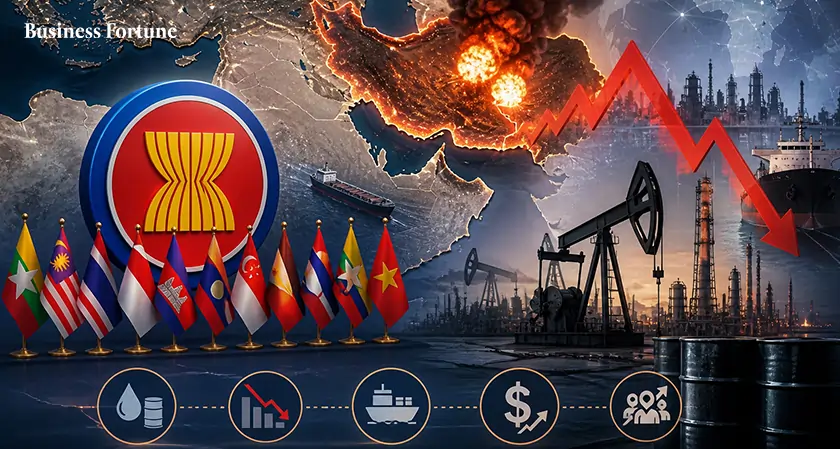
The ongoing conflict in the Middle East is posing major risks to global energy security and could greatly slow down economic growth across Southeast Asia, according to coordinated advice from ASEAN's economic ministers. The declaration expresses member states' growing concern about the broader effect of geopolitical instability on inflation, trade and energy supply chains.
Disruptions in important marine routes, especially the Strait of Hormuz are at the core of the concern, according to the ministers' joint communiqué. The waterway transports around 25 percent of the world's seaborne oil and LNG exports, with over 80 percent of that supply going to Asia. They highlighted that the region's economies that import energy are closely affected by any unpredictability in this corridor.
The ministers stressed that in addition to increasing freight costs, insurance premiums and logistics expenses, the conflict is already causing instability in the price of LNG and oil globally. Both families and industries across the ASEAN economies are being impacted by these growing costs, which are contributing to broader inflationary pressures.
The statements highlighted broader economic vulnerabilities outside of energy markets. Increased fertilizer prices and possible disruptions to agricultural supply chains are only two of the ways that rising transportation and energy costs are now affecting food systems. As a consequence, there are concerns about the cost of living and food affordability, particularly for those with a lower income.
During times of crisis, ASEAN leaders stressed the importance of coordinated regional measures, such as maintaining open trade channels and avoiding needless trade barriers. Also, they expressed interest in enhancing partnerships with international financial institutions and investigating strengthening elasticity approaches like regional oil storage.
The warning is part of an increasing number of global organizations that have identified economic hazards associated with the conflict. Given that Southeast Asia is one of the areas most vulnerable to disruptions in Middle Eastern supply channels, it also highlights how closely linked energy security and regional development have become.
ASEAN's message reflects a wider worry as Middle East tensions continue: that sustained instability may turn from a temporary shock into a structural drag on regional development and the stability of the world economy.
Thus, Business Fortune is of the view that prolonged geopolitical instability could reshape energy markets and hinder Southeast Asia’s economic resilience.
About The Author
Mahadharani Vijay is a writer specializing in digital marketing, electric and concept cars, gadgets, and media and entertainment. She focuses on turning emerging trends and innovations into clear, engaging, and accessible stories for both professionals and wider audiences.


.webp)