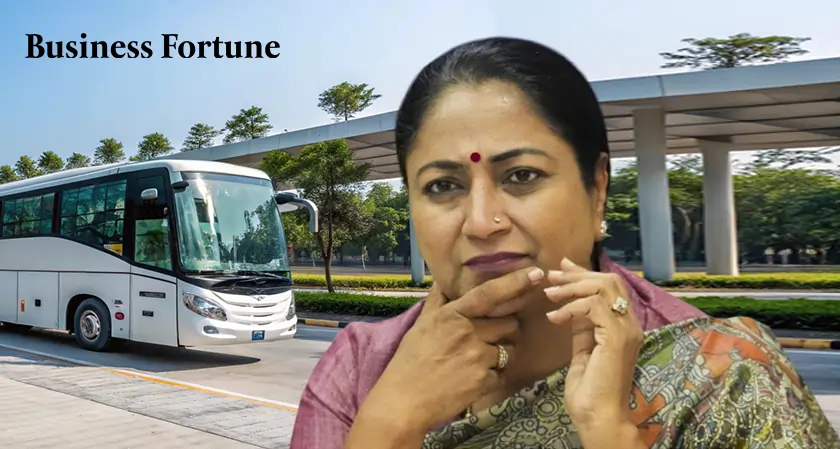
Delhi extends its free bus travel scheme to transgender passengers, aiming to improve accessibility and promote social inclusion in public transport.
The Government of Delhi has approved to include transgender passengers in its free bus travel scheme, marking a significant step toward increasing social inclusiveness in public transportation. Chief Minister Rekha Gupta made the decision during a Cabinet meeting, which will enable eligible transgender Delhi residents to travel for free on buses run by the Transport Department and buses owned by the Delhi Transport Corporation (DTC).
This new initiative will be applied on the same scheme currently used for women passengers, who can travel free of cost through the pink ticket scheme in Delhi buses. President Droupadi Murmu has introduced the Pink National Common Mobility Card. The Pink Saheli Smart Cards are available for free at the authorized kiosks for Delhi's eligible female citizens.
According to Chief Minister Rekha Gupta, who announced the decision the government is dedicated to guaranteeing dignity and inclusion for every segment of society, where every person can access opportunities and public services with dignity. She said, "Our government is still dedicated to creating a more compassionate, equitable, and inclusive Delhi."
The Chief Minister also urged passengers not to rush to collect the proposed "Pink Saheli" cards, confirming that the free travel program for women in Delhi buses under the pink ticket system will continue for the next three months. To make it easier to issue the Pink Saheli smart cards, the Delhi government has established 50 authorized locations throughout the city. Some of these centers, which were set up in the district magistrates' and sub-divisional magistrates' offices as well as certain DTC locations, had long lines.
The Delhi officials stated that the initiative's goal is to give the transgender population greater accessibility and mobility so they can travel safely and affordably. The administration described the measure as part of a broader effort to promote social justice and fair access to public services.


.webp)