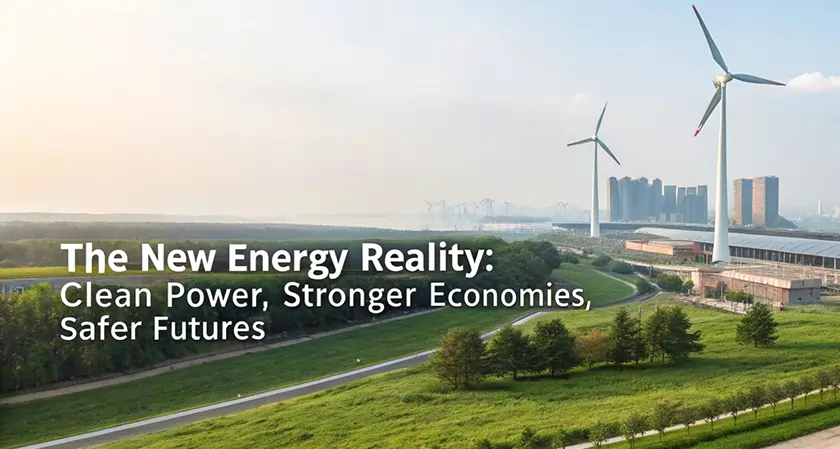
Renewable Energy: From Alternative to Absolute Necessity
As the world faces rising temperatures, air pollution, and energy insecurity, renewable energy is emerging as more than just an alternative, it’s a necessity. Solar, wind, hydro, and other clean energy sources are transforming how we power our lives, offering solutions that protect the environment, improve public health, and strengthen economies. For countries like Bangladesh and India, embracing renewable energy is not only about meeting growing electricity demands but also about building resilience against climate change, reducing dependence on imports, and creating long-term opportunities for growth. Understanding the role, benefits, and challenges of clean energy is essential for shaping a sustainable and prosperous future.
Importance of Renewable Energy
Renewable energy sources like the sun, wind, rain, organic materials, and geothermal power do not release harmful pollutants during generation and are naturally replenished. Their use reduces greenhouse gas emissions, mitigates climate change, and improves air quality. Transitioning to renewables in Bangladesh can lower pollution-related health issues, increase energy independence, and provide affordable, reliable electricity for a country facing rising water levels, frequent natural disasters, and reliance on imported energy. Beyond environmental benefits, renewable energy promotes economic growth, job creation, and investment while increasing the resiliency of Bangladesh’s electrical system, protecting the nation’s energy infrastructure and economy from future challenges. By advancing renewable energy and energy efficiency, Bangladesh can build a strong, dynamic, and sustainable future, ensuring long-term environmental, social, and economic benefits for its people.
How Renewables Improve Lives, Health, and Energy Security
Installing and maintaining wind, solar, and other clean technologies creates thousands of jobs and boosts economic activity in the communities where these technologies are implemented. Renewable sources do not release air or water pollution, which helps reduce respiratory and cardiovascular diseases and prevents premature deaths. Unlike coal, oil, and gas, which use large amounts of water to produce electricity, most renewable energy sources require little to no water, conserving supplies and helping prevent droughts. They also emit significantly lower amounts of greenhouse gases than fossil fuels, slowing climate change by reducing heat-trapping gases. Distributed solar and wind energy systems are less likely to go offline simultaneously like large coal, oil, and gas plants. When paired with battery storage, they can continue supplying electricity even during outages, enhancing energy reliability.
India’s Clean Energy Surge, and the Challenges Slowing It Down
In the Economic Survey for the 2025–2026 fiscal year, several important and encouraging data points were released related to India's ongoing transition toward renewable energy. Non-fossil fuel sources now account for a major portion of all the electrical energy consumed within India's borders. However, there are still obstacles that will act as barriers to the continued advancement of this transition.
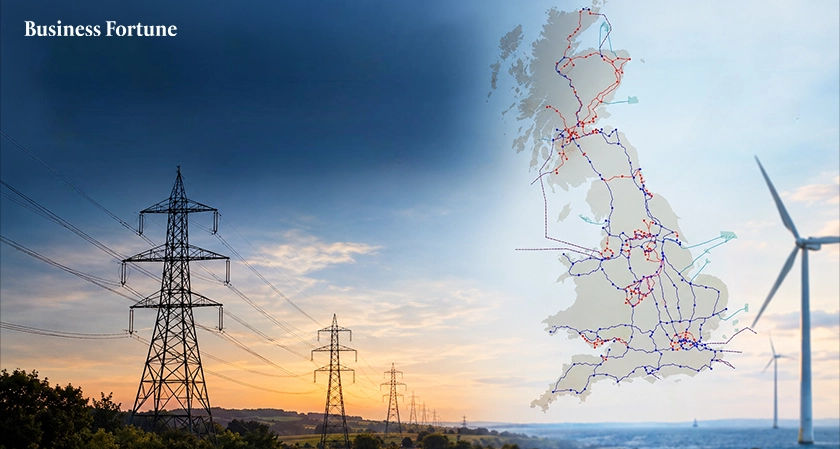
Three of the most pressing issues hindering renewable energy projects throughout India are the rising cost of project development, delays in acquiring land to build wind and solar farms, and a limited distribution system that will be unable to accept and transmit all the renewable energy being produced. Similarly, India’s energy storage systems, including batteries and pumped hydro storage, are critical to addressing the uncertainty associated with solar and wind generation, especially when no wind or sun is available to produce electricity.
What Still Slows the Global Clean Energy Transition
The main issues with renewable energy are as follows: fossil fuels continue to dominate the energy market and benefit from deep economic roots and political support; many people lack awareness of renewable technology, which slows adoption; government policies, incentives, and regulatory support are weak or inconsistent in some places, making it harder to attract investment and scale up clean energy deployment; renewable technologies struggle with high upfront installation costs that make investors see them as risky compared with fossil fuel plants; and the existing energy infrastructure was built for fossil fuels, not wind and solar power.
How Clean Energy Works
Clean energy comes from renewable sources that create electricity without harmful emissions. Using clean, renewable sources to generate electricity avoids both air and greenhouse gas emissions while providing power with little effect on the environment. Examples of clean energy include solar power, which uses solar cells to convert light into electricity; wind energy, which harnesses moving air to turn turbines; and hydroelectric power, which uses flowing rivers to spin turbines and generate electricity. These clean sources provide power to end users through the same grid as other electricity sources, but without producing the greenhouse gas emissions released by coal- and gas-fired plants.
Technology Will Drive the Next Era of Clean Energy
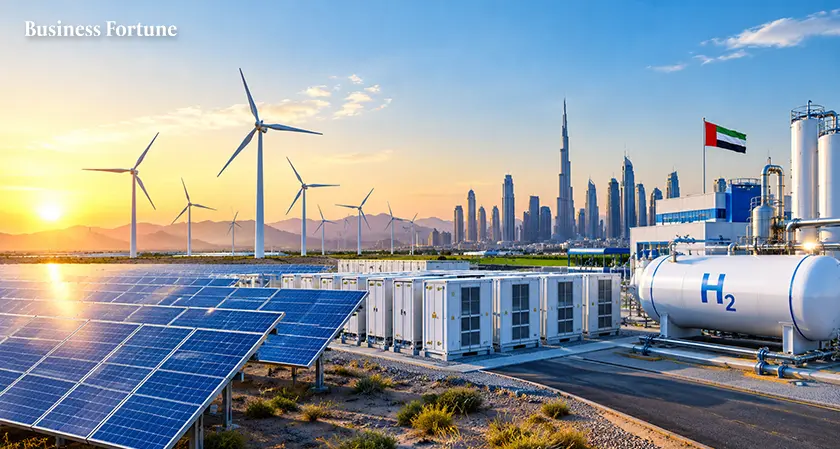
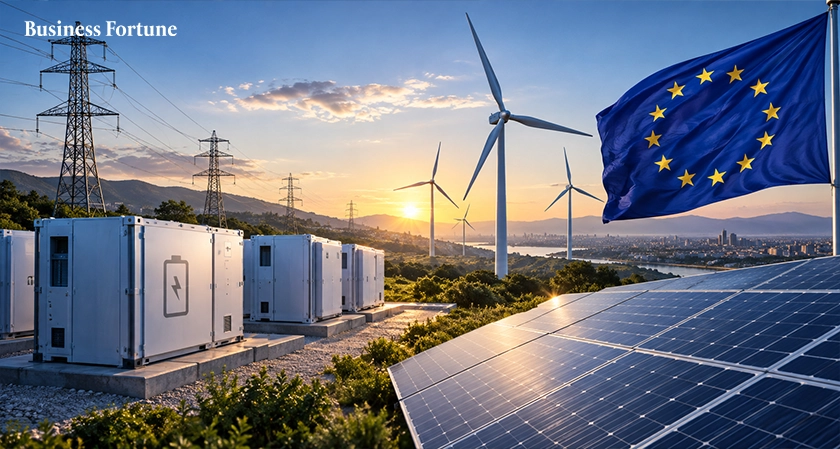
The future of renewable energy will be shaped not just by policy or awareness, but by technology. Smarter grids, advanced batteries, and AI-based energy management systems are already changing how power is produced, stored, and delivered. Energy storage will become faster, cheaper, and more efficient, allowing solar and wind to supply electricity even when the sun sets or the wind stops. Digital monitoring tools will predict demand, reduce waste, and keep power flowing with fewer disruptions. At the same time, innovations in green hydrogen, offshore wind, and next-generation solar panels will unlock new ways to generate clean electricity at scale. What this really means is that renewable energy will become more reliable, more affordable, and more accessible than ever before. As technology continues to evolve, it will remove today’s barriers and accelerate the worldwide shift toward a cleaner, smarter, and more resilient energy future.


.webp)