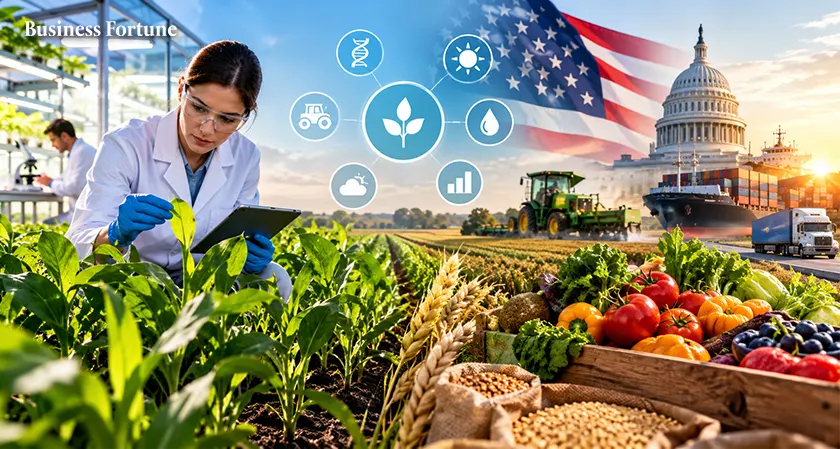
Long before you receive a meal, it all begins with the effort put forth by farmers, the environment, and technology together in order to create food from various elements, such as soil, growing season, and many other factors. Agriculture's role in our society is not just business; agriculture plays a role in supporting economies, feeding nations, and keeping people connected to natural surroundings. Agriculture is so much more than food, agriculture touches all areas of our daily lives, including food we eat, clothes we wear, and medicines we take.
Today, agriculture is facing a dramatic transformation. Rapid technological changes, increasing population, and climate pressures are causing agriculture to change extremely fast and dramatically on how food is produced. In this blog, we will take a look at why agriculture has become more important today than ever before, some of the technology helping to transform farms through use of drones, as well as identify the top players and sustainable practices that will lead food in the future.
Agriculture Impacts Everyone, Every Day
The agricultural sector is a major driver for global economic development, providing the basic ingredients that are critical for feeding the masses and spurring economic growth through both fibre and protein production. In addition to providing food to feed the masses, agriculture also serves as a primary source of raw materials for many of the world's leading industries (i.e., bio-fuels, textiles, pharmaceuticals). Additionally, due to the large number of jobs created by agriculture and the role that agriculture plays in providing a significant part of the rural community's income, agriculture has a critical role in creating sustainable rural communities.
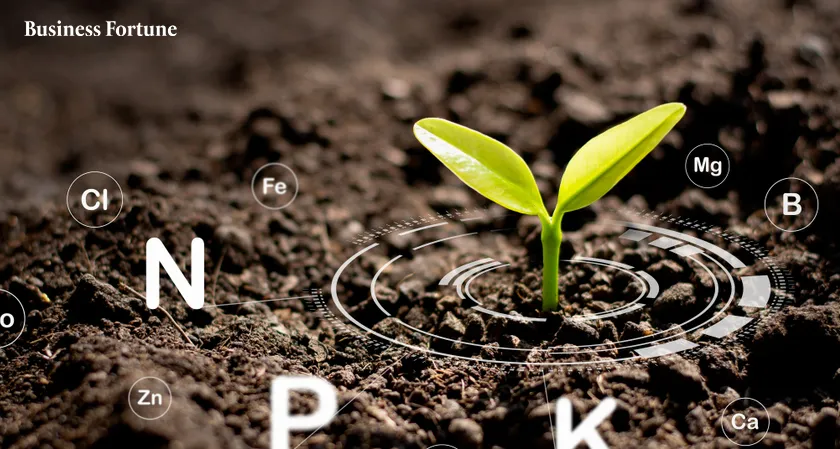
While providing protein and food, sustainable agriculture also works towards protecting the environment and developing healthy soils, increasing biodiversity and conserving natural resources. All types of new technology have been introduced into the agriculture industry over the past few years, including precision agriculture, new technologies for irrigating crops, genetically modified crops and improved crop/animal production; all of which contribute to feeding an ever-changing population and increasing food security globally. Agriculture's interaction with the surrounding cultural/societal impacts creates significant effects on the structure/customs of society and also affects individuals on how they eat (dietary practices) and how nations will develop/change over time.
While meeting current economic/nutrition needs in communities, through promoting productively sustainable agricultural practices, agriculture is the basis for community development and the interrelationship between communities.
How Drones Are Rewriting the Rules of Modern Farming
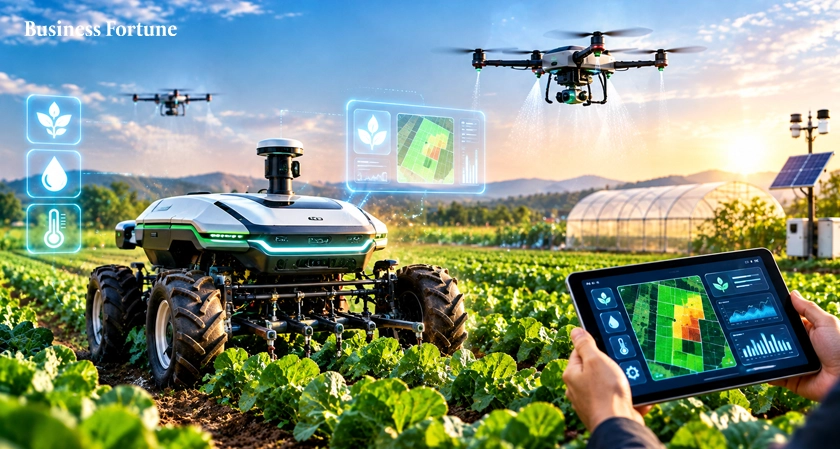
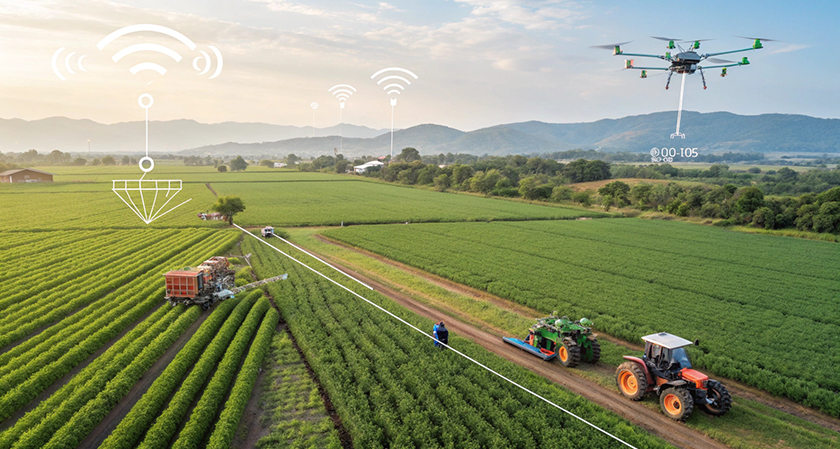
With the help of drones, agriculture has become a field in which modern-day agricultural problems are being solved using more efficient, cost-efficient and precise methods. As a result of utilizing agricultural drones, farmers are now able to save much greater amounts of time (work hours) and resources (e.g. water, pesticides and fertilizer) when measuring crops, managing irrigation and monitoring for pests and diseases through real time data. High resolution cameras that are mounted on drones will be able to capture high definition images to produce three dimensional models to be used for soil analysis and crop planning.
Modern generation agricultural drones (DJI Agras T50), allow farmers to apply seeds, pesticides and fertilizers with greater accuracy, produce less waste and have less of a negative impact on the planet than has traditionally been produced through the use of conventional agricultural technologies. Drones provide farmers with additional tools for planting and harvesting, as well as providing farmers with more accurate data related to crop status (health, yield) and environmental conditions; farmers are now able to directly plant into the earth using seed pods as opposed to traditional manual planting methods, which allow farmers to reduce labor costs.
The Power Players Motivating the Future of Global Agriculture
-
Archer Daniels Midland (ADM): One of the largest agribusiness firms in the world involved in crop trading, processing and food ingredients.
-
Bayer CropScience / Bayer AG: A global leader in crop protection, seeds and agricultural research.
-
John Deere (Deere & Company): A key manufacturer of agricultural machinery like tractors and harvesters, with strong technology integration.
-
Bunge Global: A major agribusiness and food company that handles grains, oilseeds and other agricultural products worldwide.
-
Olam International: Large global agricultural supplier involved in production and distribution of cocoa, coffee, rice and more.
-
Nutrien: The world’s biggest potash producer and a leading global supplier of fertilizer and crop inputs.
Farming on the Frontlines of Climate Change
Agricultural productivity declines as a result of increased average temperature, erratic rainfall patterns and an increase in the frequency of in climate weather events (floods and droughts) and shifting to untested growing areas. The crops affected will primarily be the staple crops such as wheat, rice and corn. Climate change will create significant changes in the way farmers produce agricultural products, not only due to changing and erratic weather patterns. Lower yields due to climatic changes also will indirectly impact the global food system by creating increased costs, providing multiple disadvantages to small scale and marginal producers who lack regular and consistent access to markets, irrigation or credit resources and will impact women/groups of farmers with low incomes disproportionately due to soil degradation as well as lack of access to water; farmers will also see an increase in the amount of pest/disease damage to their crops resulting in a significant increase in risk for farming/driving as many farmers will end up going out of business as a result of climate change.
There are multiple options available for increasing the resilience of farmers to handle climate change; examples of this include: use of climate smart practices such as crop rotation, use of drought tolerant grains, no-till agriculture and organic/regenerative farming practices that improve the health of the soil; all the way to developing community based programs that provide farmer support and access to local knowledge and resources. In short, to ensure food security and sustain farm family livelihoods, we need
Sustainable Practices Shaping tomorrow’s Food Systems
Discover five practical farming techniques that boost productivity while protecting the environment and conserving resources.
-
Conservation tillage: improves soil fertility while reducing soil disturbance, retaining moisture, and preventing erosion.
-
Agroforestry: Combines crops and trees to increase biodiversity, sequester carbon, and generate extra revenue.
-
Drip irrigation: increases crop yields and minimizes waste by delivering water directly to plant roots.
-
Integrated Pest Management (IPM): reduces the use of chemicals by controlling pests through biological, cultural, and mechanical means.
-
Crop rotation: To preserve soil nutrients and disrupt the cycles of pests and diseases, crops are rotated throughout the seasons.
The Future of Farming Starts Now
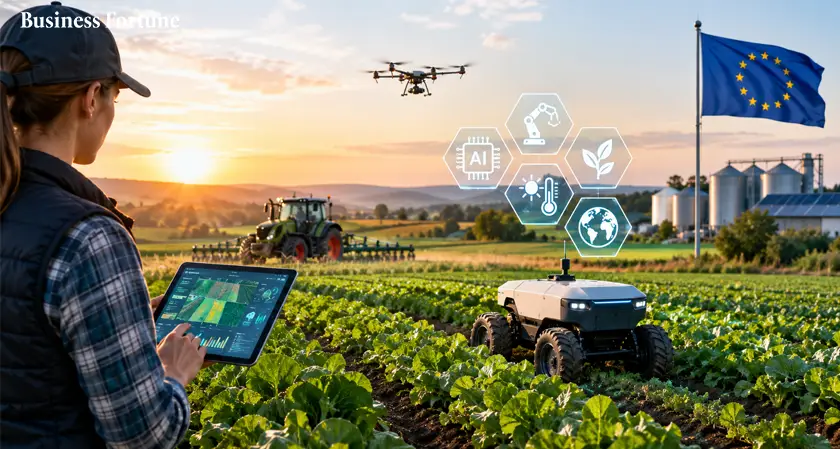
Agriculture has reached a critical point where, over the next couple of decades, how foods are grown will define not only what will be eaten but also how stable our civilizations are along with how healthy our planet will be. Because of growing populations and the impact of climate change, farming will no longer be able to solely rely on historical methods. Agriculture must develop through science, technology and respect for the natural world. Sustainable methods for growing food; such as using drones, precision tools and other technologies; should be viewed as methods of survival, rather than just advanced methods of production.
In practice, this means that those who combine innovative thinking with accountable actions will influence the future of agriculture. Farmers will begin to make decisions based upon information and data. Fields will have greater care, efficiency and intelligence when being managed than ever before. The food systems we build will be regenerative and not extractive. Creating a regenerative food system in this manner will not only help to feed the world but will also help to restore the earth. Agriculture in the future will more than likely be stronger, smarter and more sustainable than any we have known in history.


.webp)