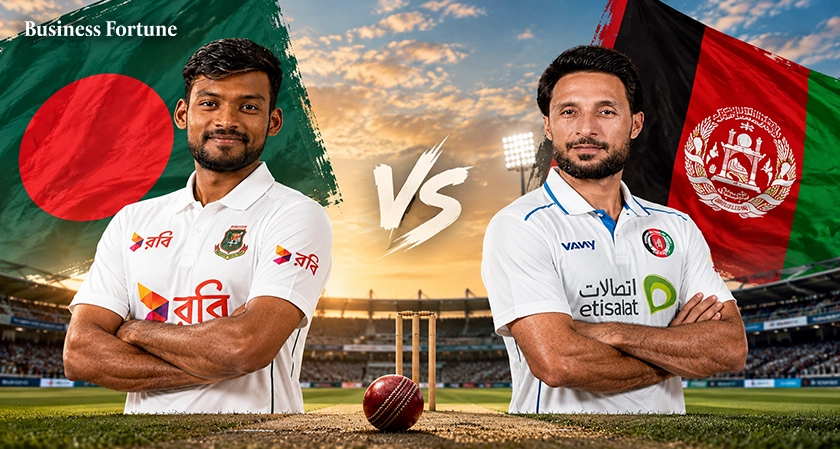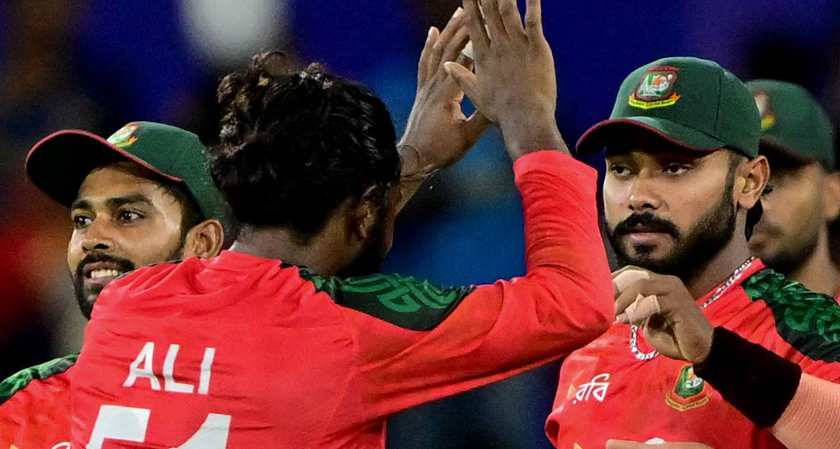
A high-stakes game of poker is now taking place in the cricket world, but it isn't taking place on the 22 yards of a pitch. Instead, the drama is taking place in Dhaka and Dubai's boardrooms. The Bangladesh Cricket Board's (BCB) request to move its 2026 T20 World Cup matches from India to Sri Lanka has been officially rejected by the International Cricket Council (ICC). The "Tigers” participation in the upcoming huge event is in jeopardy due to this move, which has sent impacts around the sport.
The Current Crisis: A Miracle Denied
The issue has escalated to a boiling point as of late January 2026. The ICC stuck to its previous schedule after a virtual board meeting in which 14 out of 16 members voted against the BCB's plan. The BCB had requested that their Group C matches in Kolkata and Mumbai be moved to be hosted by Sri Lanka due to security concerns and a particular incident involving bowler Mustafizur Rahman's release from the IPL.
BCB President Aminul Islam expressed deep regret in response to the rejection, saying that the board is "hoping for a miracle." Though, the ICC has given Scotland a one day deadline to either confirm contribution or be replaced. According to the governing body, there is no real threat to the Bangladeshi team in India, according to independent security evaluations. For the first time in recent memory, a major cricketing nation is in danger of missing a World Cup, not because of a lack of talent, but rather because of a total collapse in international and administrative ties.
A Journey Through Time: Bangladesh’s Cricket History
Bangladesh’s rise to international cricket highlights the gravity of this moment. The Bangladesh Cricket Control Board (BCB) was founded in the aftermath of the 1971 War of Independence. Originally a secondary sport in the area, cricket gradually became a national obsession due to the dedication of the locals.
In 1977, Bangladesh joined the ICC as an associate member. They were engaged in trench warfare in associate cricket for twenty years until taking home the ICC Trophy in 1997. Their first World Cup appearance in 1999, when they greatly shocked Pakistan, was made possible by this victory, which expedited their Test place in 2000. Bangladesh has changed over the past 25 years from being giant killers to a stable, competitive force that has played host to important matches like the 2014 Twenty20 World Cup and the 2011 One Day International World Cup. It is a depressing reflection of the current geopolitical environment to see a country that put so much effort into earning its place at the table suddenly seeking to leave.
Geopolitics and the Spirit of the Game
The current conflict has many different origins. Although the BCB formally cites "security concerns," many experts refer to the worsening political relations between New Delhi and the present interim administration in Dhaka as a result of the 2024 uprising. The ICC is unwilling to compromise because it wants to avoid setting a risky precedent. The entire framework of international competitions could fall apart if the ICC permits one side to choose locations based on bilateral political tensions in the absence of a confirmed security risk.
The ICC contended that moving games would have "major logistical and scheduling consequences" and compromise the sport's neutrality. But from the BCB's point of view, player safety and fan feeling cannot be compromised. The players who have expressed their desire to play, are now caught in a tie between their professional goals and their sense of patriotism. The rejection serves as a clear reminder that the ICC values the sanctity of the event more than individual member concerns and it goes beyond just saying "no" to a location change.
Final Thoughts: Finding Harmony within the Chaos
The conflict between the BCB (Bangladesh Cricket Board) and the ICC (International Cricket Council) provides a lesson regarding the future of international sports. Cricket in South Asia has long served to connect people where traditional policies fail to connect. When the game is used as a means to reflect the political struggles of both nations instead of a way to escape them, everyone suffers. As a result of this political strife, the people of Dhaka and Kolkata who share a unique culture and language are being denied access to what should have been a historic sporting event.
As the final day approaches, we expect that logic will prevail over the rhetoric used during this dispute. The world needs to see the green and red of the Bangladeshi jersey and that of the Tigers playing in International Cricket, whether that comes as a result of a miracle or through some difficult compromise. The world of cricket will be significantly devoid of soul if the Tigers cannot compete in the Twenty20 World Cup. The simplest conclusion for every cricket fan to draw is that the game must continue to rise above the politics surrounding it.


.webp)