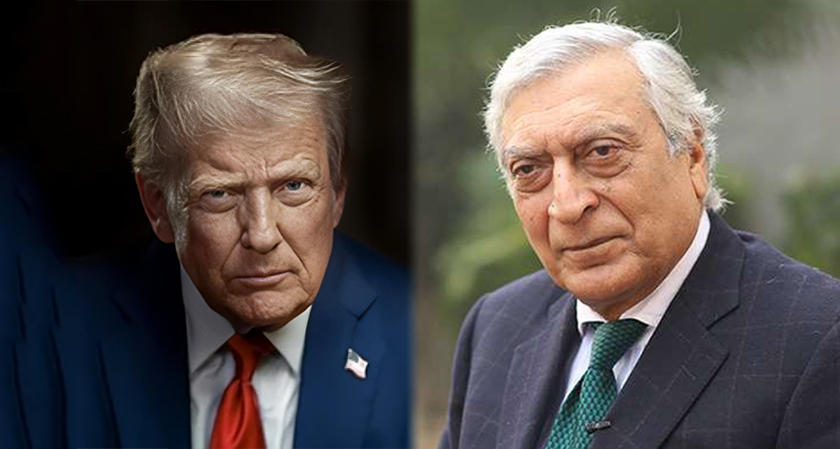
Donald Trump's unrestrained power, tariff coercion, and rejection of multilateralism, according to former foreign secretary Kanwal Sibal, are threatening US democracy and destabilizing the international system, straining even close ties like those with India.
Kanwal Sibal, a former foreign secretary, contends that US President Donald Trump is deliberately weakening both the American democratic system and the international order. According to Sibal, internal constitutional checks and balances have eroded, allowing Trump to wield almost unrestrained power. An aggressive unilateralism that disregards international law and multilateral organizations is an external manifestation of this accumulation of power.
According to Sibal, the United States has returned to unilateral supremacy under Trump, despite the rise of China and the revival of Russia. Trade policy has become a coercive political tool due to Trump's arbitrary tariff imposition, which frequently violates WTO regulations. One example of how economic measures are being used to coerce political compliance is India, which was penalized with higher tariffs for buying inexpensive Russian oil.
He also draws attention to Trump's overt opposition to multilateralism. Trump has brazenly and disrespectfully circumvented international institutions, although prior US administrations have also done so. His decision to leave 66 international organizations, including economic forums like UNCTAD and climate organizations like the UNFCCC and IPCC, as well as the Paris Climate Agreement, the WHO, UNESCO, and the UN Human Rights Commission, indicates a purposeful dismantling of cooperative global governance.
He contends that the US oil sector is to blame for the denial of climate change and the opposition to renewable energy. Trump's desire to control the world's energy markets is highlighted by his "Drill, baby, drill" slogan, pressure on allies to purchase American LNG, sanctions on Russian oil, and the extreme military operation against Venezuela that resulted in President Nicolás Maduro's kidnapping. Sibal refers to Trump's assertion that the US owns Venezuelan oil and his plan to regulate its earnings as a "Trump Corollary" to the resurrected Monroe Doctrine.
When Trump said, "I don't need international law," claiming that only his personal morality restricts his acts, it was clear how little he respected international law. His plans for an Iron Dome-style missile shield, a large defense budget, and his willingness to let the New START pacts expire run the risk of starting a new arms race.
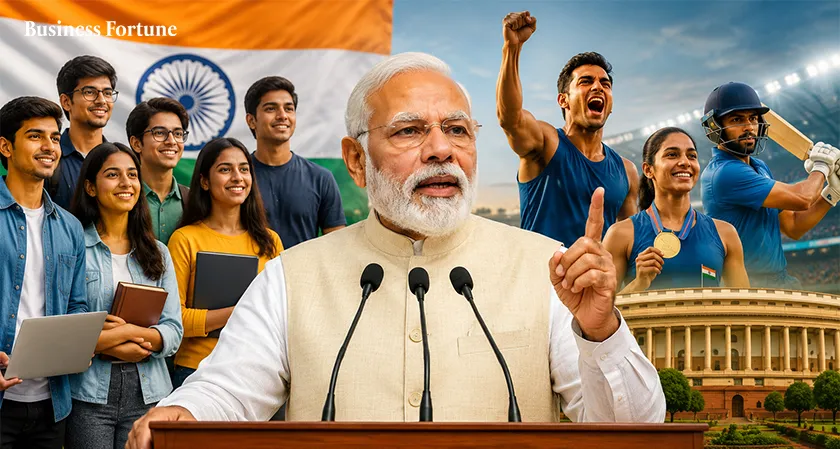
Sibal also points out the tension in US-Indian relations. Fresh tension has been caused by Trump's condescending comments about Prime Minister Narendra Modi, threats of punishing tariffs, and the impending Russia sanctions bill, which may have repercussions for CAATSA. Sibal believes that Trump's self-serving diplomacy has unnerved US partners throughout the world, in addition to India. He concludes that no American president since World War II has caused such a significant disruption to the international order, and three years remain.

.webp)