Ahead of Budget 2026, India’s Economic Survey signals GDP growth, tax changes, and sector incentives, setting the stage for major reforms.
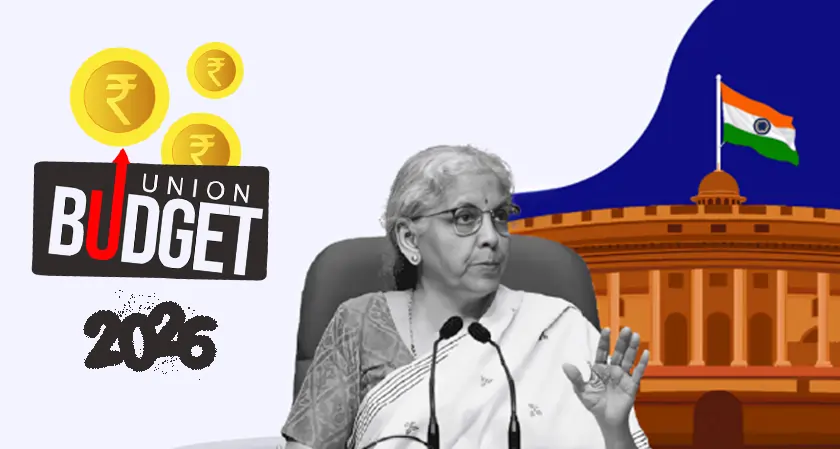
On February 1, 2023, shortly before Finance Minister Nirmala Sitharaman reveals the Union Budget 2026 and 2027, both businesses and politicians have begun thinking through the implications that the new fiscal plan will have for their chosen areas of business or politics as well as how it will impact growth rates and future tax policies.
To help set the stage for the joint proposal by Parliament, which was presented by the government on Thursday, an Economic Survey covering the period from 2025 to 2026 showcased that the country's economy continues to be one of the strongest performing economies in the world in spite of the continued extreme levels of economic uncertainty that exist globally.
The Economic Survey indicates that India will have a Gross Domestic Product (GDP) growth rate between 6.8% and 7.2% for the period ending on March 31, 2024, which continues to demonstrate policymakers are committed to providing a stable investment climate, despite ongoing major uncertainties existing globally. Many believe this is the guiding principle that the next federal budget will be based upon when it is enacted later this year.
In real life, this indicates that firms,and households are vying for assistance and support. Major income tax breaks are sought by middle-class taxpayers. Key predictions include a greater basic deduction, increased exemptions for long‑term capital gains, and expanded health insurance deductions that might ease individuals' wallets. Also, investors are keeping an eye out for changes that would increase the appeal of the new tax system while maintaining the option of the previous one.
Sectoral demands are loud and diverse. Industry leaders from renewable energy and electric mobility demand stronger tax incentives and policy clarity for storage systems and charging infrastructure. To help them grow, manufacturers, especially MSMEs, want easier access to capital and streamlined logistical taxation. Prior to the speech, other primary goals included GST rationalization, affordable housing, and rural credit flows.
Defense and technology sectors are carefully watching for expenditures that encourage local manufacturing and innovation. Experts in defense anticipate continued or increased funding that might be directed toward regional supply chains and manufacturing.


.webp)