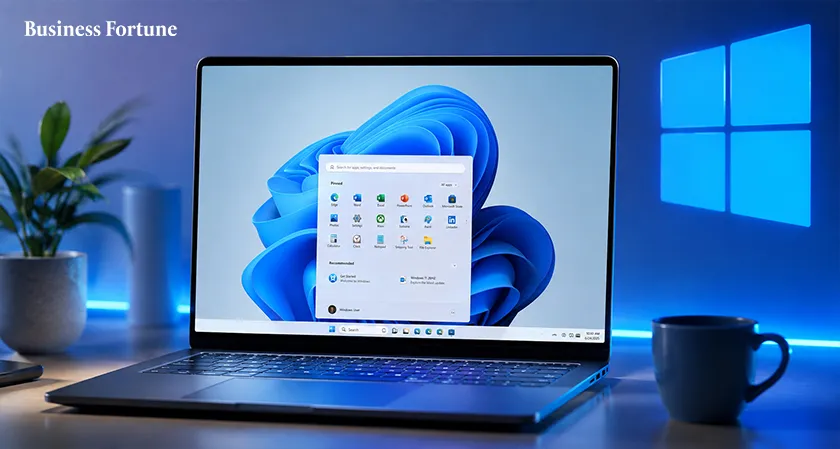
A setback for Microsoft is that 400 million users are still using unsupported Windows 10 hardware as Windows 11 upgrades stall.
Microsoft is facing an unexpected new challenge as it tries to persuade 800 million Windows 10 users to switch to Windows 11. With sales of bright new AI PCs falling short of expectations and its popular aging OS nearing end-of-support in October, this appears to be a crucial Christmas buying season.
The most current Windows statistics from November indicate a significant halt to the recent acceleration of Windows 11 upgrades, as I wrote on Monday. The bad news is an abrupt shift in course following eight months of a smooth transition from Windows 10 to Windows 11. The issue is far worse in the important US market, even if that shift only makes up around 1% of the user base, or between 10 and 15 million people.
Over the course of the month, Windows 10's worldwide market share increased from 61% to 62%, while Windows 11's fell from over 35.5% to less than 35%, according to Statcounter. However, after six months of consistent increases, Windows 11 fell precipitously from over 40% to less than 37%, while Windows 10 increased from 58% to 61% in the US.
The US data appear to be more precise, whereas the worldwide numbers are somewhat within the range of error. This modification follows Microsoft's announcement that Windows 1 customers would have the option of 12-month extended support starting in October of next year. For those obstinate Windows 10 skeptics, this could be worth the $30 per PC price tag.
The 400 million or more Windows 10 users who lack the necessary hardware to update are an intriguing spin on these figures. Although there are ways to update on a PC that is incompatible, Microsoft has recently emphasized that doing so may prevent future upgrades and could void any remaining hardware warranties.
Microsoft has made it clear time and time again that Windows 11 is a far more secure operating system than Windows 10. Because of this shift, 10–15 million users are now assuming risks against which they would not have otherwise been protected. The news is not good.


.webp)