- Morgan Hale
When the COVID-19 pandemic brought global travel and in-person work to a standstill, the photography industry faced an unprecedented challenge. Studios closed, campaigns paused, and creative teams scrambled to produce visuals remotely. Most turned to video calls as a quick fix, but poor lighting, compression, and lack of camera control made professional work nearly impossible.
For Anton Kosiakin, a systems engineer trained at Saint Petersburg State University, this revealed a deeper problem: the creative industry lacked digital infrastructure designed specifically for professional-grade remote photography. From that realization came Shutter App, a platform that enables photographers to capture high-quality images by controlling a subject’s smartphone camera in real time. What began as a response to a global crisis has since evolved into a lasting innovation, transforming how studios and enterprises create visual content.
The real question, though, is what allowed Shutter App and Anton to turn a moment of disruption into enduring success when so many similar ventures faded. The answer lies as much in Anton’s engineering mindset as in the product itself.
Anton Kosiakin: The Engineer Behind the Vision
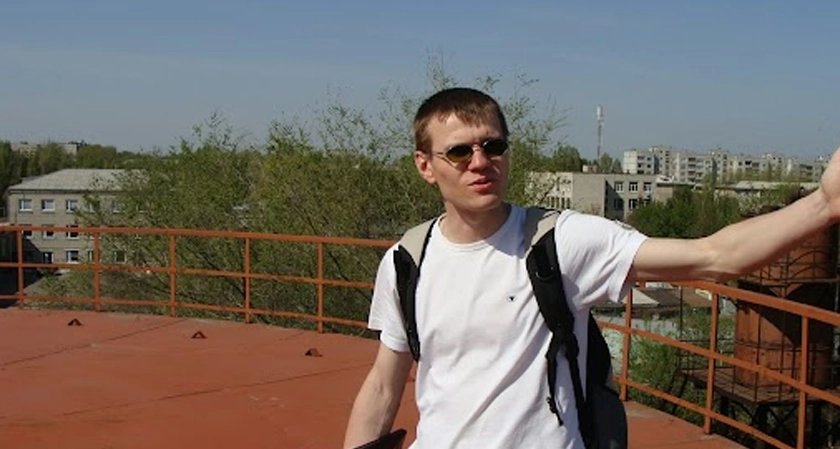
What makes Shutter App’s success distinctive is how closely it reflects the mindset of its creator. Anton Kosiakin’s approach to product design is rooted in a lifelong relationship with technology.
Anton Kosiakin grew up near Saint Petersburg, where his early curiosity about computers evolved into a lasting passion for building technology. At Saint Petersburg State University’s Faculty of Mathematics and Mechanics, he developed a strong foundation in system programming and research, which later shaped his approach to scalable, reliable product design.
During his studies, Kosiakin co-authored the Cirrocumulus research project with EMC and guided student teams, an early exercise in technical leadership and cross-industry collaboration. Before founding Shutter App, he led platform stability projects at ALICE (now Actabl), applying lessons in scalability and reliability that became core to Shutter App’s real-time performance.
This combination of research precision, engineering depth, and mentoring experience is evident in Shutter App’s architecture, from its low-latency connection model to its end-to-end reliability.
Building Quality Where Others Settled for Convenience
.webp)
When the pandemic reshaped the creative landscape, Anton Kosiakin applied that same engineering discipline to Shutter App. In early 2020, remote-shoot apps began to appear, but most were repurposed video-call systems. Photographers could see their subjects but had little technical control. Without the ability to adjust exposure, focus, or white balance, image quality suffered, and editing workloads grew.
Anton’s approach was different. Shutter App was engineered to put the photographer in control of the camera itself, not just the communication channel. Through a simple interface, professionals could manage every key setting as if they were physically behind the lens. “Our goal was not just to let people see each other,” Anton says. “It was to give photographers the tools to create, with control over every technical detail.”
For creative businesses, this level of precision directly translated into value, positioning Shutter App as a premium standard that reduced post-production costs and minimized the need for retakes.
Treating Latency as Strategy
Photography relies on timing. A natural smile or expression can vanish in an instant, and when latency disrupts communication between photographer and subject, the result feels staged. Most video-based systems operate with delays of one to two seconds, which can make real-time direction nearly impossible.
Shutter App solved this problem by building a direct peer-to-peer connection between the photographer’s desktop and the subject’s smartphone, using TURN and STUN servers only for initial connection. This structure keeps delays within roughly 100 to 200 milliseconds, enabling real-time collaboration that gives the platform a measurable business advantage.
Photographers and clients could collaborate naturally and deliver projects faster, producing authentic results that improved satisfaction and repeat engagement. The same responsiveness helped studios and enterprises choose Shutter App for its reliability in large-scale remote sessions.
From Product to Platform
Anton Kosiakin’s next step was to scale the idea. While many creative apps focused on consumers, Shutter App made a deliberate pivot from a B2C tool to a white-label B2B platform. Today, that strategic shift supports scalable growth through partnerships with several companies offering virtual headshot sessions for distributed teams, and Virtual 365 Studio, targeting aspiring models and influencers.
By moving upmarket, Shutter App transformed a one-time purchase model into recurring licensing revenue and positioned itself as infrastructure rather than an app. Studio partners gain reliability and brand flexibility, while Shutter App earns recurring revenue through licensing and white-label solutions.
Evidence of Market Adoption
By mid-2024, Shutter App had recorded more than 10 million photographs captured on its platform and almost 100k installations across iOS and Android devices. This sustained growth confirms that what began as a pandemic necessity has evolved into a long-term creative infrastructure for professionals.
The platform’s credibility is further reinforced by its use in projects for leading global studios and media outlets, including The New York Times. Its reliability and precision have made it a preferred choice for both independent photographers and enterprise clients seeking consistent results.
That credibility is echoed in the broader photography community. Amateur Photographer profiled Monika Sergiejew, who conducts remote sessions with clients in more than 20 countries using Shutter App. UK photographer Tim Dunk also achieved a milestone project of taking portraits in all 50 U.S. states within a single day, something for which they credited the platform’s real-time precision.
Looking Ahead
Drawing on the same curiosity that shaped his early career, Anton Kosiakin aims to broaden Shutter App’s global footprint as a visual-content platform rather than simply a creative tool. The next phase for Shutter App is to evolve from a tool for photographers into a full-service platform for end clients, including individuals, professionals, and businesses who need visual content on demand.
As Anton explains, “The future of Shutter is to shift its focus from being just a tool for photographers to a service aimed directly at end clients. This could include everything from professional headshots to short video interviews. The idea is to have something like a professional photographer in your pocket - available anytime, anywhere.”
With active partnerships in the U.S. and U.K., this strategy supports continued international growth and positions Shutter App to capture a broader share of the enterprise content market. For analysts and investors watching the evolution of the digital imaging sector, it signals a broader shift from communication tools to full creative infrastructure.
Strategic Takeaways
.webp)
Shutter App’s trajectory offers strategic lessons for leaders shaping the future of remote photography:
-
Prioritize quality at the core of innovation. Precision creates lasting differentiation.
-
Measure latency as a business variable. Every millisecond affects client satisfaction and creative output.
-
Transform tools into infrastructure. When customers depend on your system, you gain scalability and retention.
-
Leverage partnerships for growth. B2B partnerships create stable revenue.
-
Design for accessibility and repeatability. Consistency across geographies and devices is the key to enterprise adoption.
Conclusion
Shutter App’s evolution shows how technology born from crisis can mature into lasting infrastructure. By combining engineering precision with business vision, Anton Kosiakin has shown why the platform’s success is sustainable.
For studios, investors, and enterprises, his story illustrates the future of visual production, where quality, speed, and accessibility coexist, powered by systems built for a global, hybrid workforce.
About the Author: Morgan Hale is a media analyst covering innovation in imaging, SaaS, and creative-tech business models.


.webp)