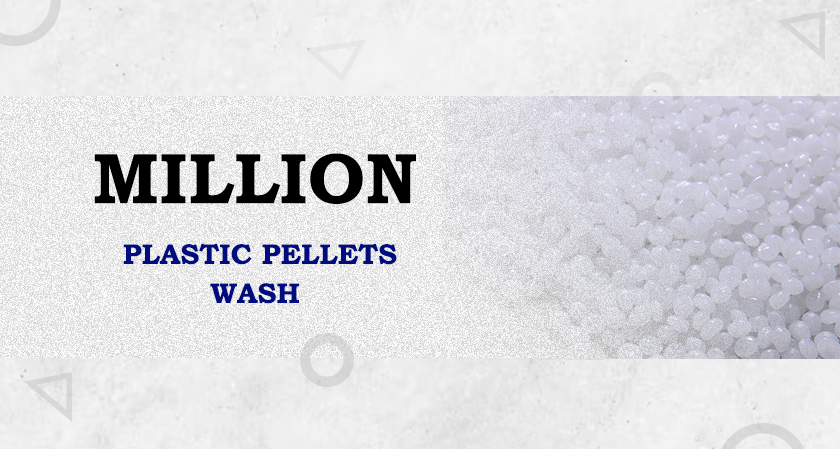
Millions of plastic pellets washed up on the coast of northwest Spain's Galicia region on Monday, raising environmental concerns and sparking a political blame game.
Hundreds of volunteers dug through sandy beaches with colanders and shovels. The pellets, which are used to make commonplace items like shopping bags and water bottles, are sometimes referred to as "mermaid tears" or "nurdles." They are known to exacerbate the issue of plastic finding its way into rivers and oceans worldwide.
The makers of the pellets, Bedeko Europe, said in a statement that the millions of dollars that washed up in Spain came from at least one container that fell from the Toconao, a Liberia-registered vessel chartered by shipping behemoth Maersk, off the coast of neighboring Portugal last month.
Although the precise impact and whether it would affect fishing remain unknown, Deputy Prime Minister Maria Jesus Montero told state broadcaster TVE that the government was concerned about potentially "serious repercussions."
Reminiscent of Galicia's worst environmental disaster, the 2002 fuel oil spill that spilled 63,000 metric tons and forced the closure of Spain's richest fishing grounds, were the scenes where locals were using everyday objects to help clean up the beaches.
According to Montero, regrettably, they were all brought back to memories of pictures from the past that they would prefer to forget.
According to a 2020 Pew Charitable Trusts report, 10 trillion plastic pellets are thought to contaminate marine ecosystems annually.
Environmental advocacy group Ecologistas en Accion, citing the regional government's inaction two weeks after discovering the spill in a statement released on Friday, has filed an environmental crime complaint against Toucan Maritime, the Dutch owner of the vessel.


.webp)