In an effort to create a supply chain that is unaffected by trade restrictions from the United States, more of China's largest automakers have made the decision to purchase more chips from domestic suppliers.
Among them is Great Wall Motor, claiming a "breakthrough of a technological barrier" and "a new step forward" in the production of power semiconductors.
This action is a reflection of the growing significance of semiconductor devices in the rapidly evolving Chinese auto industry, which is moving toward electric and self-driving vehicles.
The China Association of Automobile Manufacturers' executive vice president, Fu Bingfeng, stated during a conference on the semiconductor industry on Wednesday in the city of Wuxi that the rise of protectionism has made automotive semiconductors a focal point of international competition and has the potential to create a new automotive semiconductor industry.
The goal of increasing China's self-sufficiency for the components was made evident when CAAM announced the creation of a new committee devoted to automotive semiconductors that same day.
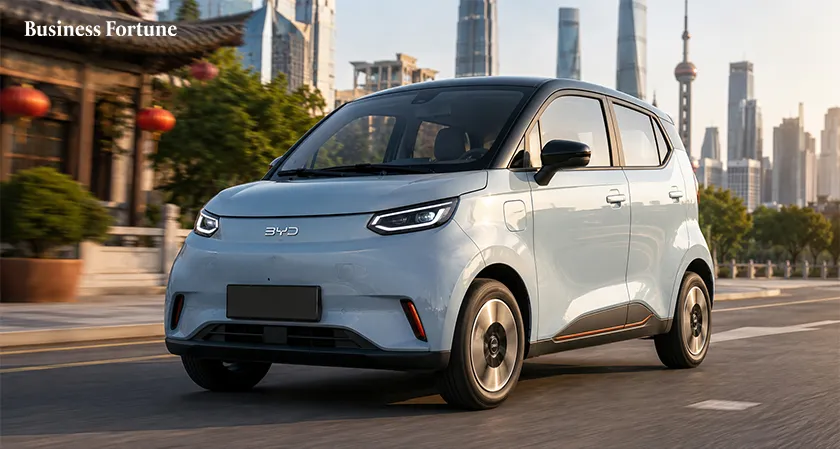
The driving range of an electric car is directly impacted by power semiconductors, which regulate the flow of electric current. The leader in electric vehicles, BYD, is already producing its own power semiconductors.
This fall, Great Wall began producing them at a brand-new Wuxi facility run by the group company Wuxi Xindong Semiconductor Technology. According to local media, the parts are utilized in Haval sport utility vehicles.
A breakthrough in data processing chips, which are thought to be more difficult to produce because they require a higher level of microengineering, has also been made by the Chinese auto industry.
Zhejiang Geely Holding Group, the parent company of Volvo Cars, unveiled the 08 SUV in September under the Lynk & Co. brand. The car has the chip, Longying One, which processes images for driver assistance and is built using 7-nanometer technology.


.webp)