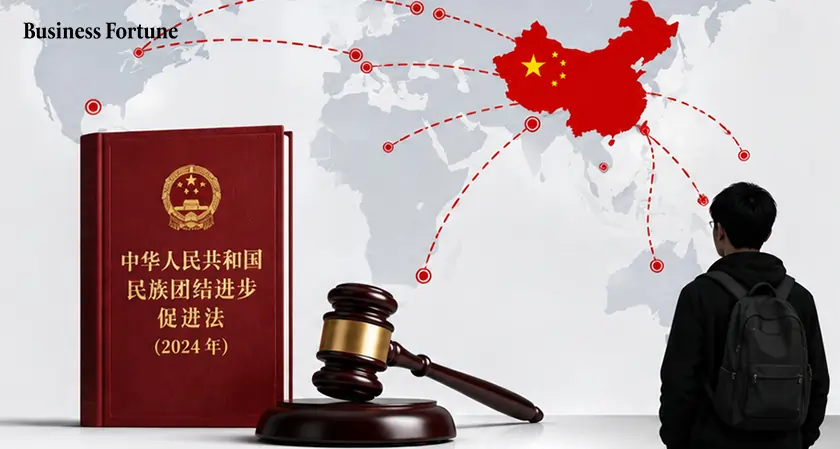
The China Ethnic Unity Law takes effect on July 1, raising questions about its overseas reach and potential global implications.
China's new China ethnic unity law is drawing international attention even before it officially takes effect on July 1, 2026. The legislation, designed to strengthen unity among China's 55 ethnic minority groups and promote a shared national identity, includes a provision that allows authorities to hold people outside China legally accountable for actions considered harmful to ethnic unity or supportive of separatism.
Chinese officials defended the law during a press conference in Beijing on Wednesday, arguing that the overseas provision is both lawful and necessary. According to Vice Justice Minister Hu Weilie, many countries have laws aimed at protecting national security and preventing separatist activities, and China believes its approach follows similar legal principles.
A law that reaches beyond China's borders
One of the most discussed parts of the legislation is its extraterritorial clause. The provision states that individuals or organizations outside China can face legal consequences if they are found to be undermining ethnic unity or encouraging separatist movements.
This has raised concerns in places such as Taiwan, which China claims as its territory. Some analysts and rights groups fear the measure could provide Beijing with another legal tool to pursue individuals abroad whom it views as supporting separatist causes.
Chinese officials rejected such concerns, saying the law targets only illegal activities and is intended to protect national sovereignty, security, and social stability. They also stressed that the legislation would not interfere with normal international exchanges, academic discussions, trade, or business cooperation.
What about concerns over Xinjiang?
Another major topic at the press conference involved China's Xinjiang region. Responding to criticism from some Western governments and media organizations, Chinese officials strongly denied claims of forced labor and forced relocation involving ethnic minorities in Xinjiang.
Chen Ruifeng, head of China's National Ethnic Affairs Commission, said the law guarantees equal employment opportunities and protects citizens who seek jobs or start businesses across different regions. According to Chinese authorities, labor transfers in Xinjiang are voluntary and intended to improve employment opportunities, income levels, and professional skills.
Officials also pointed to existing Chinese laws that prohibit forced labor, labor discrimination, and restrictions on personal freedom. They argued that the new legislation strengthens legal protections for workers and supports economic development across ethnic communities.
Looking ahead
As Business Fortune observes, the China ethnic unity law comes into force and its implementation will likely remain under close international scrutiny. Supporters see it as a tool for strengthening national cohesion, while critics worry about its potential impact beyond China's borders. How Beijing applies the law in practice may determine whether it becomes a model for national integration or a continuing source of global debate.
FAQs
What is the China ethnic unity law?
It is a new Chinese law aimed at promoting ethnic unity, social integration, and a shared national identity among the country's ethnic groups.
When does the law take effect?
The law is scheduled to take effect on July 1, 2026.
Why is the law attracting international attention?
Its provision allowing legal action against certain activities conducted outside China has sparked debate and concern internationally.
What does China say about the overseas provision?
Chinese officials argue that it follows international legal practices and is necessary to protect national sovereignty, security, and social stability.
How does the law relate to Xinjiang?
Chinese authorities say the law strengthens protections for workers and supports voluntary employment opportunities, while also rejecting allegations of forced labor in the region.


.webp)