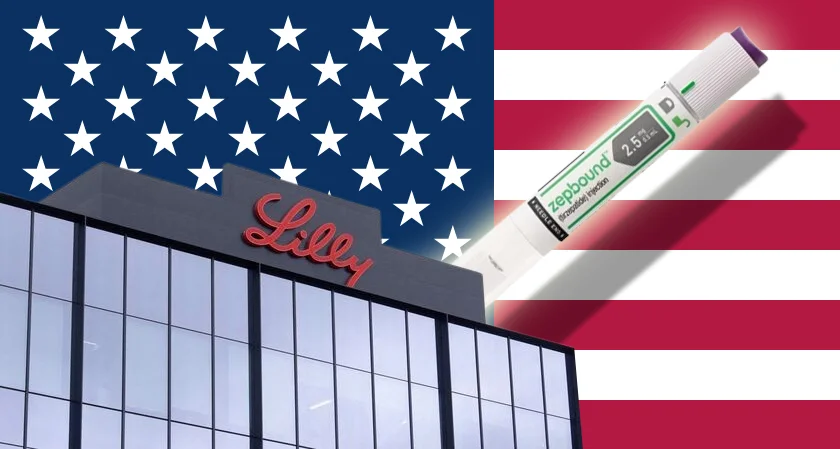
Zepbound, a newly approved treatment for obesity, is currently stocked in U.S. pharmacies, according to Eli Lilly.
Customers without health insurance may need to pay $550 per month, or half the recommended price, for the medication.
The weight-loss drug market is expected to reach approximately $100 billion by the end of the decade, and Zepbound is the newest player in this rapidly expanding field.
Wall Street analysts predict that in 2024, sales of Zepbound will be around to $2 billion, while sales of Wegovy, Novo Nordisk's rival obesity medication, are expected to be approximately $7.5 billion.
These medications belong to a class of drugs called GLP-1 agonists, which were first developed to treat type 2 diabetes. They have been shown to decrease food cravings and slow stomach emptying.
Following the majority of patients' withdrawal from a midstage trial due to a high rate of side effects, including nausea and vomiting, Pfizer announced last week that it would not be moving its much-anticipated oral obesity drug danuglipron into late-stage clinical trials.
Zepbound was found to help patients lose weight by 20% on average in late-stage trials, while Wegovy only showed a 15% reduction in weight in independent Novo trials.
According to Lilly, Cigna's Express Scripts, a major pharmacy benefit manager (PBM), has added Zepbound to its list of recommended medications for reimbursement in the United States. On December 15, Zepbound will also be added to Cigna's commercial formularies.


.webp)