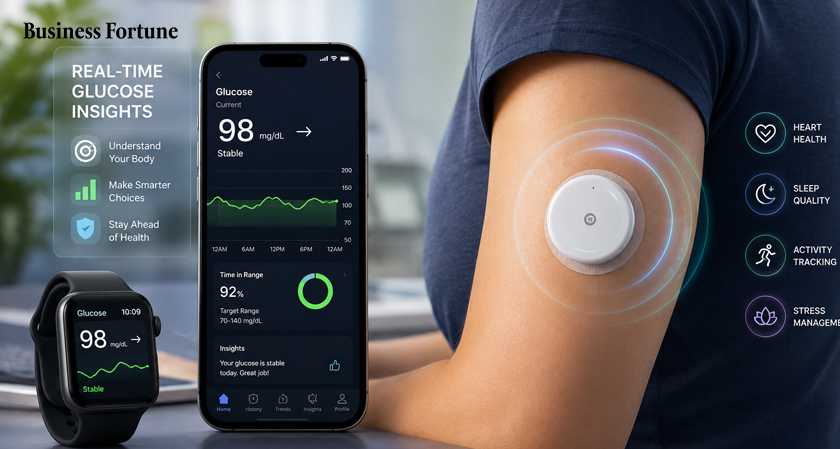
Discover the Best CGM for non-diabetics 2026, top glucose monitors, metabolic health devices, key benefits, future trends, and smarter wellness tracking.
Have you ever wondered why two people can eat the same meal but experience completely different energy levels afterward? Or why you feel energized after certain foods but sluggish after others? These questions have sparked growing interest in metabolic health and that's where the Best CGM for non-diabetics 2026 enters the conversation. While continuous glucose monitors (CGMs) were originally created to help people manage diabetes, they are now being explored by health-conscious individuals who want a clearer understanding of how their bodies respond to everyday habits.
If you’re interested in whether glucose monitoring is right for you, you’re not alone. Increasing numbers are starting to use health movement trackers to learn how nutrition, exercise, sleep and stress levels impact their glucose levels and overall well-being. Choosing the Best CGM for non-diabetics 2026 is not just about finding the newest device. It is also about finding a solution that fits your lifestyle, gives you the right information and allows you to make better choices easily.
In this guide, we will explain how continuous glucose monitoring works for people who do not have diabetes, discuss the most innovative glucose monitoring devices today and present metabolic health monitors and digital health technologies. Furthermore, we will provide some insights into where this rapidly changing branch of medicine is heading toward. Whether you want to optimize your workout program or improve your eating habits, this article will help you learn more about glucose tracking inventions.
Can Glucose Monitoring Help Non-Diabetics Understand Their Health Better?
Due to increased public interest in understanding how the body functions relating to nutrition, exercise, stress and behavior, the use of continuous glucose monitor for non-diabetics population. Originally designed for diabetics, the device is made of a tiny sensor attached to the body which tracks glucose levels in the blood continuously. Nowadays, the technology is employed by quite many people who are not diabetic and want to learn about their metabolism.
Unlike traditional glucose measuring devices, continuous glucose monitors provide continuous readings of glucose levels in the bloodstream, giving information about blood sugar levels during the day. The information received by users can be good as it allows understanding how energy relates to food intake, exercising, sleeping and other factors. However, it should be noted that glucose level fluctuation is normal for healthy individuals and does not present a serious threat to health according to experts.
The growth in interest toward glucose monitoring is part of the wider trend towards personalization of the wellness states. Nonetheless, the usage of glucose monitoring devices should be limited as glucose level information itself does not provide a clear picture of health state.
How Non-Diabetics Are Using Glucose Monitoring
- Tracking how different foods affect individual glucose responses.
- Understanding daily patterns linked to meals, exercise and sleep.
- Supporting personalized approaches to nutrition and wellness.
- Increasing awareness of metabolic health through real-time data.
- Encouraging informed lifestyle choices based on personal trends.
Which Are the Best Glucose Monitors for Better Health Tracking?
Choosing the best glucose monitor depends on accuracy, comfort, sensor life, connectivity and the type of health insights users need. Modern glucose monitors, especially continuous glucose monitoring (CGM) systems, allow users to track glucose levels in real time and understand how food, exercise, stress and lifestyle choices influence their bodies. These devices are widely used by people with diabetes and are also gaining attention among health-conscious individuals interested in metabolic wellness.
The latest glucose monitoring systems offer features such as smartphone connectivity, trend analysis, alerts and personalized data insights. While these devices can provide valuable information, users should understand that glucose readings are only one part of overall health management and should be interpreted with proper guidance.
Top Glucose Monitors Available Today
Dexcom G7
Pros: Offers highly accurate real-time glucose tracking, a compact sensor design, customizable alerts and strong smartphone integration.
Cons: Can be expensive and some users may experience skin irritation from the sensor adhesive.
FreeStyle Libre 3
Pros: Provides continuous glucose readings, has a small and discreet sensor and offers a long sensor wear period with easy mobile access.
Cons: Some users may find accuracy differences during rapid glucose changes.
Medtronic Guardian 4
Pros: Designed for advanced diabetes management, provides predictive alerts and works well with compatible insulin delivery systems.
Cons: Requires more setup and may be less convenient for users looking for a simple experience.
Eversense E3
Pros: Offers long-term sensor use and reduces the need for frequent sensor replacements.
Cons: Requires a clinical procedure for sensor placement and removal.
Stelo by Dexcom
Pros: Designed for people without diabetes, provides lifestyle-focused glucose insights and connects easily with smartphones.
Cons: Does not provide the same level of medical features as some diabetes-focused CGMs.
How Metabolic Health Monitoring Is Changing Wellness Tracking?
A metabolic health monitor is a growing wellness technology designed to help people track important health indicators such as glucose patterns, activity levels, sleep quality, heart rate and other lifestyle-related factors. These devices use sensors and digital platforms to provide insights into how daily habits, including diet, exercise and rest, may affect overall metabolic balance.
Unlike traditional health tracking methods, metabolic health monitors focus on identifying personal trends rather than just measuring individual metrics. By analyzing changes over time, users can better understand their body’s responses and make more informed decisions about nutrition, fitness and lifestyle choices.
With increasing interest in preventive healthcare, these monitors are becoming popular among people looking to improve their wellness routines. However, the data provided by these devices should be viewed as guidance rather than a complete medical assessment, as overall health depends on multiple factors.
Top Metabolic Health Monitors
Levels Health
Pros: Provides detailed metabolic insights using glucose data, personalized recommendations and health trend tracking.
Cons: Subscription costs may be high for some users.
Lumen Metabolism Tracker
Pros: Measures metabolism through breath analysis and provides nutrition guidance.
Cons: Results may vary depending on user habits and consistency.
Oura Ring 4
Pros: Tracks sleep, activity, recovery and wellness patterns in a compact design.
Cons: Does not directly measure glucose levels.
WHOOP 5.0
Pros: Offers detailed fitness, recovery, strain and health tracking insights.
Cons: Requires a membership subscription for full features.
Nutrisense CGM Program
Pros: Combines continuous glucose monitoring with nutrition insights and coaching support.
Cons: Can be expensive and mainly focuses on glucose-related data.
How Digital Health Devices Are Improving Wellness Tracking?
Digital health devices are changing how people monitor and manage their wellness by using smart technology to track health information in real time. These devices include smartwatches, fitness trackers, glucose monitors and other connected tools that help users understand activity levels, sleep patterns, heart health and overall well-being.
With advanced sensors and mobile connectivity, digital health devices provide valuable insights that support preventive care and healthier lifestyle decisions. While they can improve health awareness, these devices should complement professional medical advice rather than replace it.
Top Digital Health Devices Available Today
Apple Watch Series 11
Pros: Tracks heart health, fitness, sleep and wellness features.
Cons: Higher price and limited compatibility with Android devices.
Fitbit Sense 3
Pros: Offers stress, heart rate, sleep and activity tracking.
Cons: Some advanced features require a subscription.
Oura Ring 4
Pros: Provides detailed sleep and recovery insights in a compact design.
Cons: Does not include a screen for quick data access.
Dexcom G7
Pros: Provides continuous glucose monitoring with real-time updates.
Cons: Sensor costs can be expensive.
Garmin Venu 4
Pros: Strong fitness tracking, battery life and health monitoring features.
Cons: Some smart features are limited compared with smartwatches focused on apps.
Can Non-Diabetic Glucose Monitoring Improve Health Awareness?
In recent times, non-diabetic glucose monitoring has attracted people's attentions, who wish to know how their body reacts to food, exercise, stress and daily activities. Glucose monitoring devices were made for diabetes patients to keep their blood sugar levels under control and now healthy people want to learn more about their metabolism thanks to these tools.
The continuous glucose monitors (CGMs) are now widely used and measure blood sugar throughout the day due to the sensor that is attached to the body. Thus, people can find out how their glucose levels change when they have a meal, exercise, sleep, or have some other activities.
The popularity of non-diabetic glucose monitoring shows that people tend to shift towards preventive health. But the changes in blood sugar are normal for healthy people and these indicators must be interpreted properly. Glucose indicators are just part of the overall health picture.
Advanced Solutions for Tracking Glucose Health
Continuous Glucose Monitoring (CGM): Uses a wearable sensor to track glucose levels continuously throughout the day and provide real-time insights.
Flash Glucose Monitoring: Allows users to check glucose levels by scanning a sensor placed on the skin using a smartphone or reader.
Wearable Metabolic Trackers: Combine glucose data with activity, sleep and lifestyle information to provide broader health insights.
Smart Glucose Monitoring Systems: Connect glucose sensors with mobile apps to analyze trends and provide personalized health data.
Over-the-Counter Glucose Biosensors: Designed for general wellness users, these devices help non-diabetics understand how lifestyle choices affect glucose patterns.
Which Glucose Monitoring Devices Offer Better Health Insights?
Top glucose monitoring devices have changed how people monitor and analyze their glucose patterns thanks to modern sensors, real-time statistics and linked health systems. In the beginning, these devices were invented for diabetic patients, but they are appealing to people whose goal is preventive healthcare and metabolic health. People can see how meals, workout, stress and different activities alter their bodies by these gauges.
Unlike classic glucose measuring methods, modern monitor devices give the full spectrum of glucose development during the day. A lot of devices come with mobile applications, personalized reports, notifications and data sharing options.
Which glucose monitoring device to choose predominantly depends on individual preferences related to such factors as correctness of readings, convenience of wearing the devices, how long their sensors serve, cost effectiveness and compatibility with other health gadgets.
Top Glucose Monitoring Devices
Dexcom G7: Known for high accuracy, real-time tracking, customizable alerts and seamless smartphone connectivity.
FreeStyle Libre 3: Offers a compact sensor, continuous glucose readings and convenient mobile-based monitoring.
Medtronic Guardian 4: Provides advanced glucose insights with predictive alerts and strong diabetes management features.
Eversense E3: Stands out with a long-lasting sensor designed for extended glucose monitoring.
Stelo by Dexcom: Designed for wellness-focused users, offering glucose trend insights through an easy-to-use platform.
Future Trends in Glucose Monitoring Technology
It is anticipated that glucose monitoring will go beyond managing diabetes and play a major part in preventive wellness and individualized healthcare in the future. Advanced glucose monitoring gadgets will probably be becoming smaller, smarter and easier to use as more people concentrate on comprehending their metabolism. Insights shared by platforms such as Business Fortune highlight how emerging health technologies are shaping the future of personalized wellness.
To deliver deeper insights, future glucose monitoring devices might include wearable technology, artificial intelligence and health analytics. These gadgets could examine the effects of food, exercise, sleep, stress and daily routines on general health rather than only displaying glucose levels. Based on their individual health trends, this could assist consumers in making better lifestyle choices.
As researchers look for techniques to measure glucose without using conventional skin-based sensors, non-invasive glucose monitoring is also anticipated to expand. For regular users, these advancements may make glucose monitoring more convenient and comfortable.
Another important area of development is integration with digital health systems, fitness trackers and smart watches. To provide an extensive overview of an individual's health, future gadgets might integrate glucose data with other health markers.
AI might help glucose monitoring devices recognize patterns, forecast changes and provide tailored advice. These technologies could play a significant role in preventive healthcare and individualized health management as interest in metabolic health grows.
FAQs
Can non-diabetics benefit from using a CGM?
Yes. A continuous glucose monitor (CGM) can help non-diabetics understand how food, exercise, sleep, and stress affect their glucose levels and overall metabolic health.
Which is the best CGM for non-diabetics in 2026?
Popular choices include Stelo by Dexcom, Dexcom G7, and FreeStyle Libre 3, depending on your health goals, budget, and preferred features.
Are blood glucose fluctuations normal in healthy people?
Yes. Healthy individuals naturally experience glucose fluctuations throughout the day, especially after meals, exercise, and sleep. These changes are usually a normal part of metabolism.
Can glucose monitoring improve overall wellness?
Glucose monitoring can help users recognize personal health trends and make informed lifestyle choices, but it should be used alongside other health indicators and not as a substitute for medical advice.
What factors should I consider when choosing a glucose monitor?
Look for accuracy, sensor comfort, wear duration, smartphone compatibility, app features, battery life, and overall cost to find the device that best fits your lifestyle.


.webp)
































Comments