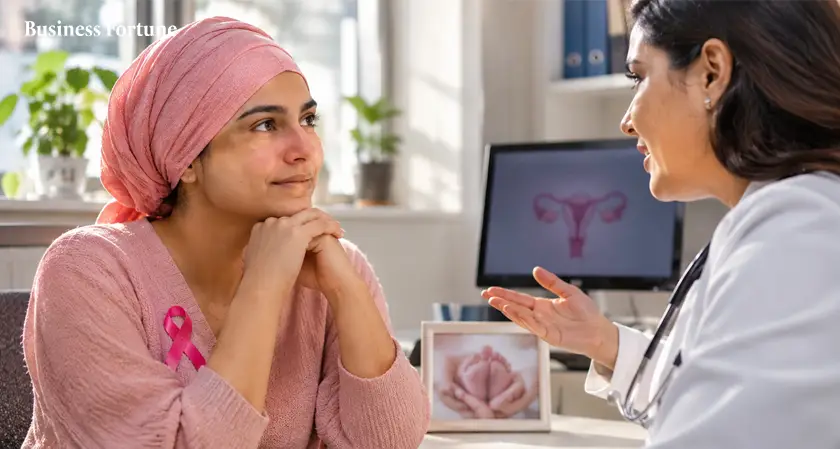
A breast cancer diagnosis can raise fertility concerns, but early counselling and preservation options may help women keep their hopes of motherhood alive.
A breast cancer diagnosis can raise concerns about future motherhood, particularly among younger women who hope to have children. While treatment remains the immediate priority, chemotherapy and hormone therapy may affect fertility and reproductive health. But with advancements in fertility preservation and pregnancy planning, having a cancer diagnosis no longer automatically signifies an end a woman’s chances of becoming a mother. Early counseling by doctors will assist women in recognizing their options before undergoing treatment.
Does Breast Cancer Treatment Affect Fertility?
Breast cancer does not, in its own right, harm the ovaries or any other reproductive organs; however, some treatments for breast cancer can influence ovulation and make conception more difficult.
"Breast cancer does not necessarily mean the end of a woman's reproductive journey," explained Dr Mangala Devi KR, Consultant - Obstetrics & Gynaecology at Manipal Hospital, Old Airport Road.
Chemotherapy is known to harm the ovarian follicles, where immature eggs reside. Based on the individual’s age as well as the medication administered, it can lower ovarian reserve or cause temporary or even irreversible ovarian failure. The onset of premature menopause can also occur among some individuals.
Younger women might work to a woman’s advantage in her recovery from ovarian dysfunction, although age in itself cannot be used to predict reproductive outcomes.
Can Women Preserve Fertility Before Starting Treatment?
The issue of maintaining fertility is a crucial one for women who intend to get pregnant in the future. There are recommendations that it would be important to evaluate the possible alternatives before starting on the process of chemotherapy. One of the methods that have been successfully employed for preserving fertility is egg freezing or embryo freezing.
For women who have hormone-sensitive breast cancer, specific ovarian stimulation strategies are also an option to consider. Drugs like letrozole can assist in reducing estrogen levels when undergoing this process, thus making fertility preservation more viable in some instances.
Hormone treatments need to be planned as well. Hormone-sensitive breast cancer can be treated using medicines like tamoxifen and aromatase inhibitors. It is not advised for a woman to become pregnant while taking these medicines.
Is Pregnancy Possible After Breast Cancer Recovery?
It is possible to become pregnant even after undergoing breast cancer therapy, which will depend on certain factors.
Women who have been taking hormones for a long time need to consult with their oncologists about their future pregnancies. In certain situations, doctors can think about the temporary discontinuation of hormone treatment. It should be noted that cessation of medication by oneself may adversely affect cancer treatment. Such steps need to be taken with advice from the attending physician.
Why Early Fertility Counseling Matters
The conversations regarding fertility may arise only when the decisions on how to treat the cancer have been made already.
"Fertility preservation is about more than freezing eggs or embryos. It is about preserving choice, supporting quality of life and helping women make informed decisions about their future," Dr Mangala Devi explained.
Consultations early on between an oncologist and fertility experts can assist a woman in gaining information regarding her reproductive possibilities without delaying her cancer therapy. The purpose is to aid informed decision-making while at the same time focusing on cancer treatment.
Thus, Business Fortune believes that early fertility counselling empowers women to make informed choices while prioritising cancer treatment and preserving future motherhood possibilities.
Source: THE TIMES OF INDIA
FAQs
Can breast cancer cause infertility?
Breast cancer itself does not directly cause infertility, but certain treatments can affect ovarian function.
Does chemotherapy affect a woman's ability to conceive?
Yes. Chemotherapy can damage ovarian follicles and reduce ovarian reserve.
Can women freeze their eggs before breast cancer treatment?
Yes. Egg and embryo freezing are established fertility preservation options.
Can a woman get pregnant after breast cancer treatment?
Yes, pregnancy may be possible depending on her health, treatment history and medical assessment.
Should women stop hormone therapy to plan pregnancy?
No. Any temporary interruption must be discussed and supervised by the treating oncologist.




























.webp)



Comments