Prime Minister Srettha Thavisin of Thailand said he gave a tour of Thai industrial estates to Tesla executives last week in order to solicit their potential investment.
Srettha, a political novice, met with Tesla CEO Elon Musk a month after taking office as prime minister in August.
Thai automakers, such as Toyota Motor Corp., Isuzu Motors, and Honda Motor, have dominated the country's auto industry for decades. Thailand is the largest car producer and exporter in Southeast Asia.
By 2030, Thailand wants to convert around one-third of its 2.5 million annual car production to electric vehicles (EVs). To this end, the country is putting together incentives to promote further investment in and conversion to EV manufacturing.
Thailand has seen a steady increase in the popularity of EVs thanks to government subsidies that can now reach up to 150,000 baht per vehicle. In the second quarter, the nation was responsible for over half of all EV sales in Southeast Asia.
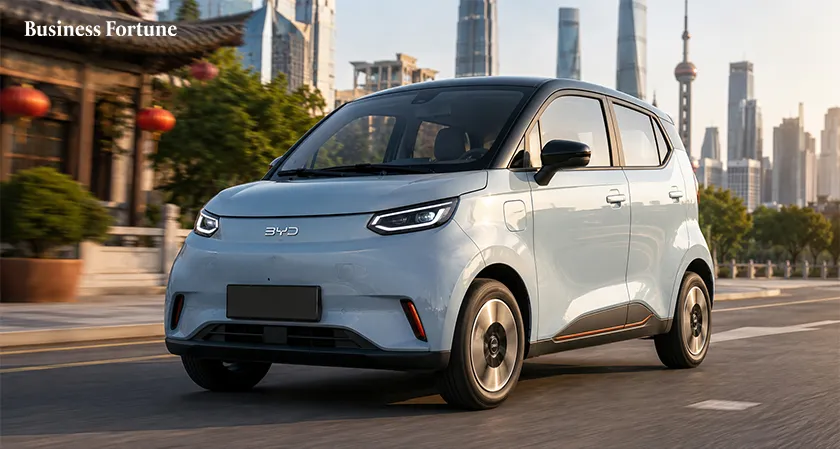
Thailand's tax breaks and subsidies have already attracted a number of Chinese automakers, such as Great Wall Motor and BYD, who have pledged to invest $1.44 billion in new production facilities in the nation.
Thailand will keep promoting the production of conventional cars with combustion engines, Srettha added.
Thailand is referred to as the Detroit of the East, according to the prime minister. Japan was the largest investor, however their EV adoption was lagging. He went on to say that since EVs will not take over the globe, regional production of Japanese automakers might be moved to Thailand, and he would offer them no tax breaks.


.webp)