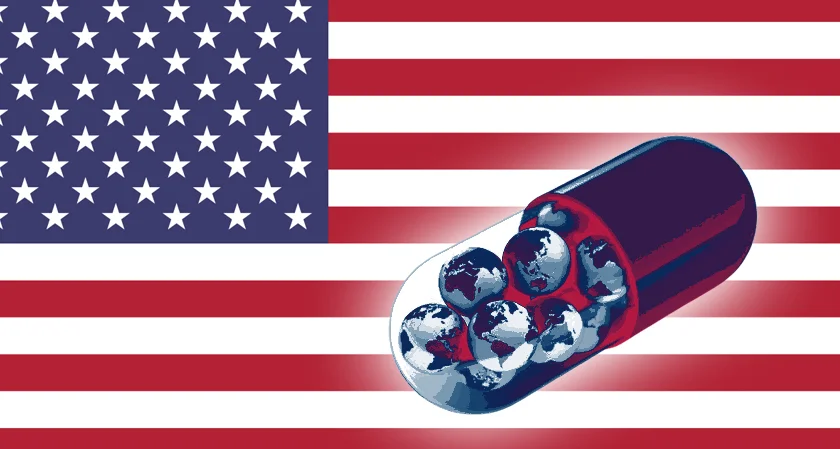
US government declares that, should it determine that the costs of medications created using government funds are excessive, it will be able to take back the patents for those products.
The policy establishes a framework for the government's hitherto unutilized "marsh-in rights." If the original patent holder fails to make the items generated with federal funds reasonably available to the public, they would let the government give new licenses to third parties.
During a press conference, White House advisors stated that an agency may decide to use march-in rights if it will save money for consumers.
Lael Brainard, a White House adviser, stated during the call that they will make it plain that if pharmaceutical companies refuse to sell taxpayer-funded medications at fair prices, they will be ready to let other businesses provide them for less.
The U.S. government declined in March to compel Pfizer and Astellas Pharma to reduce the price of their prostate cancer treatment, Xtandi, continuing its history of opposing efforts to take the patents of pricey pharmaceuticals.
The public will have sixty days to offer feedback on the revised proposal, after which the government will try to make it official.
Spokesman Megan Van Etten of the powerful pharmaceutical trade association PhRMA stated that permitting the government to use march-in rights based on cost would damage patients and stifle innovation.
March-in rights, which permit inventors to maintain ownership of inventions or products developed with public funds and to hold patents, were introduced as a safeguard in the 1980 Bayh-Dole Act.


.webp)