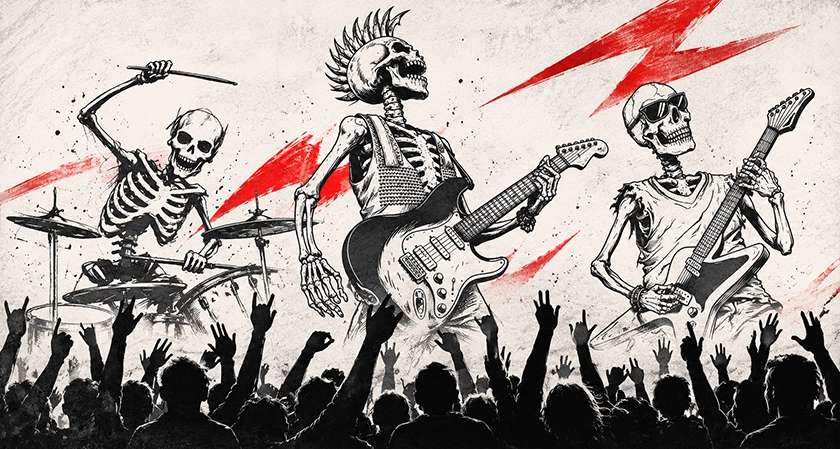
Explore how artists create, release, and share music and discover the top ten music industry trends of 2027.
Have you ever wondered how music created in a bedroom in Mexico City can end up on someone in Mumbai’s phone within hours? The music industry is continuously evolving and this Business Fortune article breakdowns the top Music Industry Trends in simple words. We will look into how big the industry is, where it is growing, what the audience wants, how technology is affecting the industry and what we can expect for 2027.
Interesting Facts
-
Revenue has increased dramatically for recorded music to $31.7 billion in 2025, compared to $13.1 billion in 2014.
-
837 million people pay for streaming.
-
Latin America had the highest growth of 17.1%.
Top Ten Music Technology Trends
- AI Studio Tools
Most studios will use AI in 2027. Whether it be improving vocals, suggesting beats and even creating a basic demo of your humming. Artists will embrace this like the Drum Machine.
Voice cloning will be highly challenging, as fake songs are now becoming a problem, there are songs being made to sound like famous artists. Some record labels are collaborating with AI companies so they can ensure they are being paid for using the artist. Songs will be clearly labeled to tell you if they have been made by Humans or AI.
- First 15 Seconds
A big trend right now is creating songs for the first 15 seconds. Songwriters will create the best danceable/lip syncing hook and build their song around that. Songs will have a short intro and catchy hook with a quick chorus. 2027 will bring US lots of different versions of the song. Such as a fast version, minimal version and slowed reverb.
- Next Big Hit Will Not Be In English
K-pop, Latin Pop and Afro beats have shown that people do not care if they do not understand the lyrics. Latin America increased by 17.1%. The Middle East and Africa have seen massive growth. India, South East Asia and Arab countries will see growth in streaming. Music streaming services are translating songs and creating local playlists. Soon songs in Tamil and Arabic will be popular worldwide.
- Fans Want To Pay For More
The paying fans (subscribers) will really be important in the future. Casual fans will listen to your song once and forget about it. Super fans will buy the signed album, join the fan group chats and attend all of your shows. Musicians have realized it is better to have 10,000 fans rather than 1 million plays. In 2027 you will see more premium options and fan groups to get exclusive access to tickets and behind the scenes.
- Fake Streaming
Some people will create bots to stream their songs repeatedly to make money. This means the actual artist will miss out on every dollar. The recording industry is encouraging platforms and distributors to try to prevent this. You will see more checks on any suspicious accounts. It will take longer to process. You will have to provide more evidence that you have real fans. Although not an exciting trend, people will be paid fairly.
- Fans Want To Touch
Contrary to popular belief Vinyl, CD and Cassette Sales are increasing. Physical music increased by 8% in 2025. Many young people have records but no turntables. Records are collectables, they are precious. You will have amazing artwork, lyric booklet and pick your colour. In 2027 you will see more limited editions and collector packages as fans want to prove they are real and authentic.
- Artists Running Their Own Micro Business
More musicians are taking charge of their music. They are creating their own songs, selling merch and running their own fan club. Distribution, mastering and payment tools are extremely cheap. Labels are also changing. Smarter labels will act as partners. They will provide you with money, marketing and global reach. You will have more freedom but more work to do.
- Releasing Songs at Games
Fortnite and Roblox have pulled huge crowds for concerts. More artists will release their single in a game first before releasing anywhere. In a virtual concert you can have floating stage, melting stages and galaxies! Something you could not do in a real arena. This will not replace going out to a stadium but it will reach teenagers who have never been to a live show and may not get the chance.
- Mood Music
Apps are learning when you are studying, running, cooking and sleeping. Playlists are becoming more about the mood rather than the songs you like. Calming music to help you sleep, constant beats to help you focus and soft ambient music for long train journeys are increasing.
As you drive, wear your watch and speak to your smart speaker depending on the time of day or your heart rate, music will play. Some will love this, some will find it a little creepy.
- Live Shows
One of the biggest Music Industry Trends 2027 will be ticket prices. Fans will expect to pay more so shows are becoming more immersive. Expect to see multi day shows in one city, intimate venues with a story line, pre-show meet ups with fans and even no phone concerts. Music tour has become a thing now, more artists will play in cities which large tours wouldn’t have reached and this is how they can get new fans.
Global Music Market Trends
The US remains the biggest individual market but is no longer the fastest growing one. All regions were growing in 2025, and some have grown significantly.
-
Latin America: Up by 17.1%. Brazil is now the eighth-biggest country in the global rankings. Mexico is ranked tenth.
-
Middle East and North Africa: Up by 15.2%.
-
Sub-Saharan Africa: Up by 15.2% - from a very small market worth approximately $120 million.
-
China: Fourth-biggest market, surpassing Germany.
Why is this important? Now, with faster and more affordable mobile phones as well as better infrastructure for the Internet, millions of individuals who never heard about paid music services are now using them. There are millions of young people in China that are not paying subscribers to date. Just imagine what would happen if even a fraction of them become paying subscribers.
This means opportunities for artists as well. A singer from Lagos or Monterrey no longer needs a contract in New York or London to reach out to the world.
Music Industry Developments Worth Watching
No one downloads anymore. Downloads decreased for the thirteenth consecutive year and account for a mere 2.5% of the total income. People prefer streaming to downloading.
Placements of movies and advertisements fell. Royalties from songs featured in films, TV, advertisements, and video games fell by 2.0%, amounting to $641 million, after four consecutive years of growth. This is a tiny fraction of the whole, but it proves that there are no constant winners in the music industry.
It is time to fight streaming fraud. The fake plays performed by bots are capable of robbing genuine artists of their revenue. IFPI is asking each organization involved, including the labels and platforms, to identify and address this issue. This will only continue to become stricter in the future.
More options are being offered in subscriptions. Various services have been trying out subscription models that offer better sound quality and additional benefits. Tencent Music in China had good progress in its premium memberships. This shows that many people would pay more if they got more value.
The Future of the Music Industry
These are the three major things music industry is focusing on:
Revenue sharing - With AI driven music becoming common on apps, we’ll have to make decisions around whether human written music should be valued higher. There are already services that label or limit AI music. This will become increasingly important.
Fans wanting to interact with artists - Fans are tired of being passive listeners and want artists to be more personal. Artists will need to make strong connections with live shows, social media and private releases.
New markets - The next 100 million paying subscribers will likely come from countries such as India, Africa & Middle East. Companies who understand what the local people love, rather than trying to push their global stars onto them may have an advantage.
There is a risk that growth could slow down due to price increases and fake, poor quality music taking over good music. However after 11 years of success, it’s looking set to take off further.
























.webp)



Comments