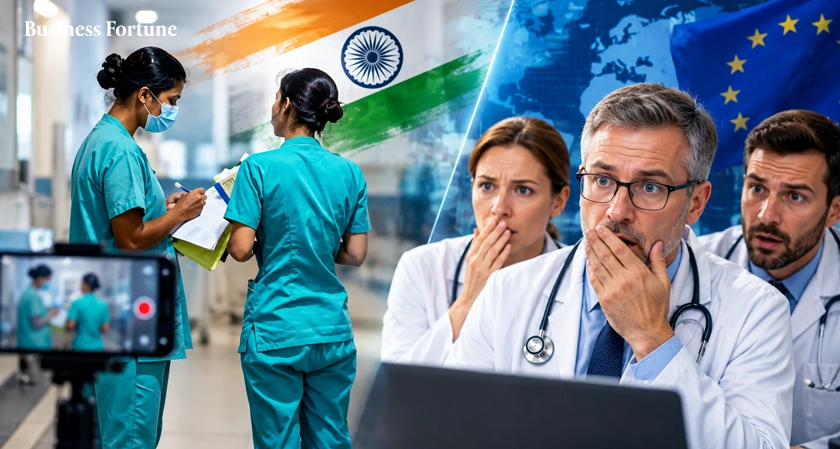
European doctors reportedly express shock after an Indian oncologist highlights faster specialist access and treatment timelines in India in a viral video.
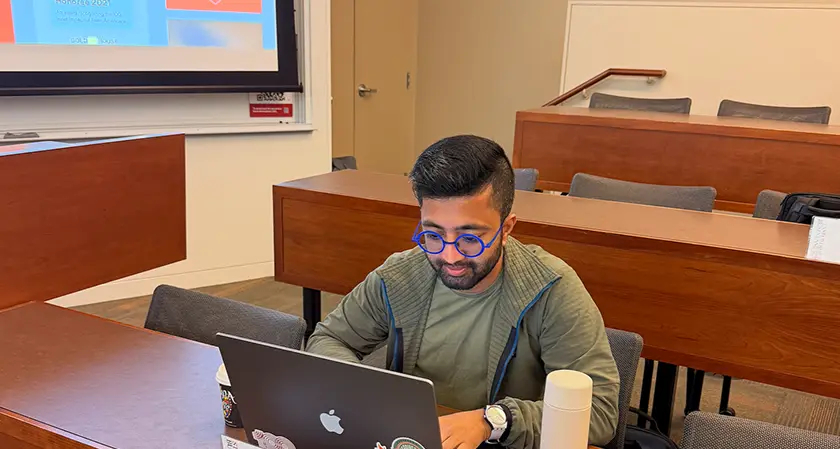
A viral healthcare video featuring Indian oncologist Dr. Palak Bhatt has sparked discussion about healthcare accessibility in India after he said doctors in Europe were surprised by how quickly some Indian patients can access specialists, diagnostic tests and treatment, according to NDTV. Bhatt shared his comparisons in an Instagram video after a presentation on palliative care during which he talked about the difference with European doctors.
What Did the Doctor Tell European Colleagues?
According to Bhatt, his colleagues from Europe were amazed when he told them how in India patients could be moved fast from consultation by a specialist to diagnosis and treatment. He cited the case of suspected cancer of a tongue ulcer for example.
As per Bhatt, patients in India can meet their oncologist straightaway and there is a possibility of carrying out their MRI and biopsy in one single day. As per his information, the diagnostic reports will come in three to four days and the treatment process will start after about one week from that time.
How Does Healthcare Access Differ?
It is interesting that the conversation has shed light on the various ways of accessing healthcare services in both India and Europe. According to Bhatt, a general practitioner's appointment could take up to four to five days to arrange in Europe alone.
The above comparison is based on Bhatt's account and should not be considered an exhaustive analysis of all European and Indian healthcare facilities. In fact, waiting times can vary greatly from one country to another, region, hospital, specialty and urgency. Hindustan Times reported that the statements made in the social media video have not been independently verified.
Why Is the Healthcare Video Going Viral?
The viral healthcare video gained more than 340,000 views and attracted hundreds of comments, with users sharing their own experiences of healthcare in Europe and India. Some reviewers mentioned long waits for procedures and surgeries in Europe, but others appreciated the access to medical facilities and specialists in India.
The online reaction has brought renewed attention to healthcare in India, particularly the accessibility of private hospitals, diagnostic services and specialist consultations. Meanwhile, personal experience through social networks cannot be used as sufficient evidence to make a general comparison of two healthcare systems.
NDTV reported that, this debate ends up showing how access, wait time and treatment process may affect the patient experience. As this video gets shared more often online, it has ended up opening debates on the issue of healthcare accessibility in India and how various regions conduct their specialist procedures.
Thus, Business Fortune believes that healthcare accessibility remains shaped by systems, resources, demand, and patient needs across different regions.
Sources: https://www.ndtv.com/offbeat/european-doctors-shocked-by-healthcare-accessibility-in-india-video-viral-1213173 https://www.hindustantimes.com/trending/indian-doctor-in-europe-says-doctors-were-shocked-by-quick-healthcare-access-in-india-couldn-t-believe-it-101790949652317.html
FAQs
What is the viral healthcare video about?
It features Dr. Palak Bhatt discussing healthcare access in India and Europe with reference to specialist consultations, diagnostic tests and treatment timelines.
Who shared the healthcare comparison?
Dr. Palak Bhatt, who identifies himself as an oncologist on Instagram, shared the account in a video.
What did Bhatt say about healthcare in India?
He said some patients can access specialists and diagnostic procedures quickly, with treatment potentially beginning within a week in certain cases.
Did the video prove that India has faster healthcare access than Europe?
No. The video presents Bhatt’s experience and claims. It does not constitute a comprehensive comparison of all healthcare systems or patients.
Why has the video attracted attention?
Its comparison of healthcare access in India and Europe prompted users to discuss their own experiences with waiting times and medical services.


.webp)






























Comments