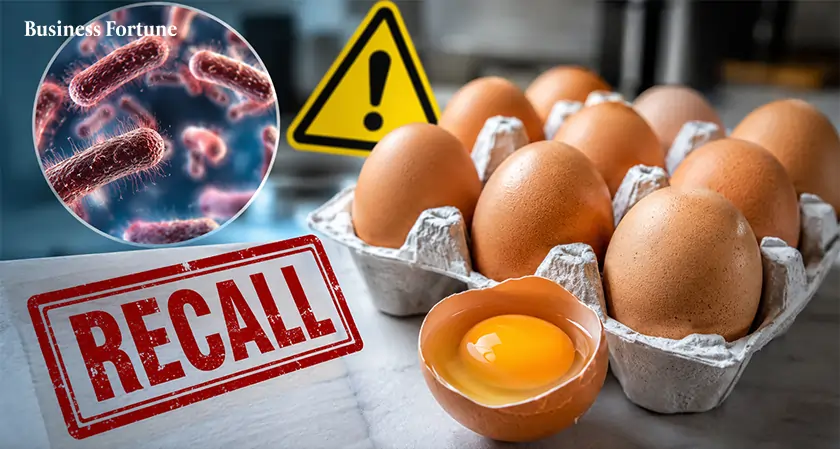
Eggs recalled salmonella concerns are making headlines after authorities warned consumers about contaminated eggs. Here's what the recall means, symptoms to watch for, and why the issue has also renewed debate over animal welfare in egg production.
Eggs Recalled Salmonella: Latest Food Safety Alert
Eggs recalled Salmonella has become one of the most searched topics after health authorities issued warnings over eggs that may be contaminated with Salmonella, a bacterium that can cause serious foodborne illness. Consumers are being advised to check product labels, avoid consuming affected eggs, and follow official recall instructions if they have purchased products included in the recall.
The recall comes amid growing concerns over food safety as Salmonella infections continue to affect thousands of people globally each year. Symptoms typically include diarrhea, fever, stomach cramps, nausea, and vomiting, with young children, older adults, pregnant women, and people with weakened immune systems facing a higher risk of severe illness.
Why Are Eggs Being Recalled?
Egg recalls generally occur when routine testing detects possible Salmonella contamination or when illnesses are linked to specific egg batches. Since eggs are widely consumed, even a limited contamination event can trigger a large-scale recall to protect public health.
Food safety experts recommend:
-
Checking recall notices for affected batch numbers.
-
Refrigerating eggs properly.
-
Cooking eggs thoroughly until both the yolk and white are firm.
-
Washing hands and kitchen surfaces after handling raw eggs.
What Is Salmonella?
"Consumers should always check whether their eggs are part of a recall and cook eggs thoroughly before eating. Safe handling and proper cooking remain the best defenses against salmonella infection," said a food safety expert.
Salmonella is a group of bacteria commonly associated with raw poultry, eggs, and contaminated food products. Most healthy individuals recover within a few days, but severe infections may require hospitalization.
Prompt medical attention is recommended if symptoms become severe or persist, particularly in vulnerable individuals.
Staying Safe
Business Fortune asks consumers to always verify whether their eggs are part of any official recall before consuming them. Following safe food handling practices and staying updated through health authorities can significantly reduce the risk of foodborne illness.
Animal Welfare: Why the Treatment of Hens Matters
Beyond the food safety concerns, the latest egg recall has also renewed attention on the welfare of the animals that produce our food. Millions of egg-laying hens around the world are raised in intensive farming systems where they may spend most of their lives in crowded sheds or cages, with little room to move, stretch their wings, perch, nest, or engage in natural behaviours. Animal welfare organisations argue that these conditions can cause chronic stress, injuries, feather loss, and other health issues.
Advocates for improved animal welfare say that providing hens with more space, environmental enrichment, access to nesting areas, and opportunities to express natural behaviours can significantly improve their quality of life. While many have begun adopting cage-free and other higher-welfare farming systems, standards and practices still vary widely across regions and farms.
For consumers, understanding how eggs are produced can be an important part of making informed purchasing decisions. Supporting farms that follow recognised animal welfare standards or exploring plant-based alternatives are some of the ways individuals can encourage more humane treatment of animals in food production. Ultimately, the conversation extends beyond food safety. It is also about ensuring that the animals we depend on are treated with care and dignity throughout their lives.
FAQs
Why are eggs being recalled for salmonella?
Eggs are recalled when testing or investigations indicate they may be contaminated with Salmonella, posing a health risk.
What are the symptoms of salmonella infection?
Common symptoms include diarrhea, fever, stomach cramps, nausea, vomiting, and headache.
Can cooking eggs kill salmonella?
Yes. Thoroughly cooking eggs until both the yolk and white are fully set greatly reduces the risk of infection.
What should I do if I bought recalled eggs?
Do not consume them. Follow the recall instructions, which typically advise returning the product or disposing of it safely.
How can consumers make more ethical choices when buying eggs?
Consumers who are concerned about animal welfare can look for eggs certified under higher-welfare standards, such as cage-free or free-range systems where available. Reading certification labels, supporting producers with transparent farming practices, or choosing plant-based egg alternatives are some of the ways people can align their purchases with their values. Regardless of the choice, understanding how food is produced helps consumers make informed decisions.


.webp)
































Comments