Afghanistan border tensions rise after Pakistan launches deadly strikes, what triggered the Afghanistan border strikes? Pakistan says militants, Taliban says civilians.
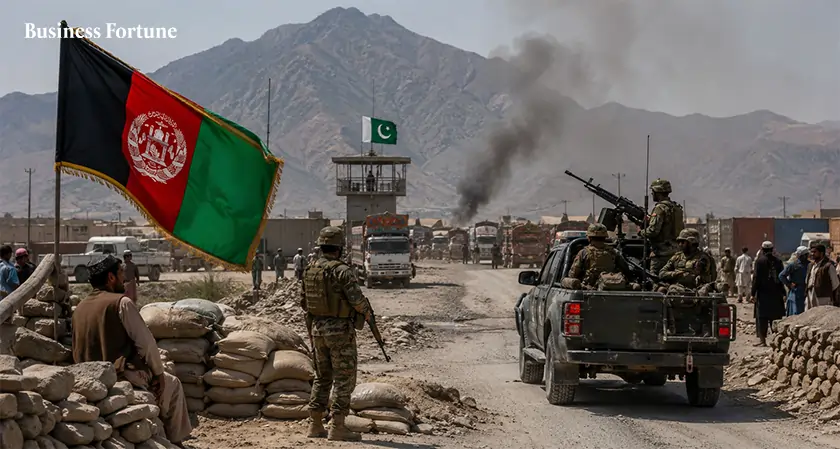
The Afghanistan border crisis has once again raised a major regional dispute after Pakistan launched air and ground operations that reportedly killed dozens of people in eastern Afghanistan. While Islamabad says the mission targeted militants responsible for recent attacks inside Pakistan, Afghan authorities claim that 35 civilians, including women and children, were among the victims.
A Controversial Operation Raises Serious Questions
According to Pakistani officials, the operation was carried out against hideouts linked to Jamaat-ul-Ahrar, a faction associated with the Tehrik-e-Taliban Pakistan (TTP). Pakistan's Information Minister Attaullah Tarar stated that intelligence-based operations and precision strikes were conducted in the provinces of Paktia, Paktika, and Kunar.
Pakistan says at least 29 militants were killed and the action was a response to recent terrorist attacks, including an assault on a Rangers facility in Karachi that left three security personnel dead. However, Afghanistan's Taliban-led government strongly rejected Pakistan's version of events. Taliban spokesperson Zabihullah Mujahid described the strikes as a crime and a "cowardly act of aggression," claiming that dozens of civilians were killed or injured.
What Is a “Double-Tap” Strike?
One of the most controversial aspects of the operation is the allegation that Pakistan strikes involved a "double-tap" tactic.
A double-tap attack refers to a second strike launched shortly after an initial bombardment. Critics argue that such tactics can endanger rescue workers and civilians who rush to help victims after the first attack. Afghan officials and local residents claim that a second round of bombing occurred shortly after the initial strikes, increasing the casualty count. Pakistan has not publicly confirmed using such a tactic.
Why Are Afghanistan and Pakistan Clashing Again?
The latest violence stems from long-running tensions between the neighboring countries. Pakistan has repeatedly accused Afghanistan of allowing militant groups to operate from its territory and launch attacks across the border. Afghan authorities deny those accusations and insist that their territory is not being used against Pakistan. Although both sides agreed to a ceasefire earlier this year, border clashes and airstrikes have continued, highlighting the fragile nature of the relationship.
Can Diplomacy Prevent a Larger Conflict?
The timing of the operation has drawn attention because it comes as Pakistan seeks a larger diplomatic role in regional affairs. Analysts warn that continued military escalation could further strain relations and increase instability along the border. With both governments standing firmly by their claims and casualty figures still disputed, the coming weeks may determine whether tensions ease through dialogue or move toward another cycle of conflict.
As Business Fortune observes, investigations and international scrutiny continue and the Afghanistan-Pakistan border remains one of South Asia's most sensitive crises. Future efforts to improve security, rebuild trust, and revive diplomatic engagement will be crucial in preventing further violence and ensuring long-term regional stability.
FAQs
Why did Pakistan launch strikes in Afghanistan?
Pakistan says the operation targeted militant groups responsible for recent terrorist attacks inside the country, including attacks on security forces.
What is a double-tap attack?
A double-tap attack involves a second strike on the same location shortly after the first, often when rescue efforts are underway.
What has Afghanistan said about the strikes?
Afghan authorities claim the attacks killed and injured dozens of civilians, including women and children, and deny that militants were present in the targeted areas.
Which areas were targeted?
The reported strikes took place in Afghanistan's eastern provinces of Paktia, Paktika, and Kunar.
Why is the Afghanistan-Pakistan border so tense?
The two countries have long disagreed over security issues, militant activity, and cross-border attacks, leading to recurring military confrontations and diplomatic disputes.


.webp)