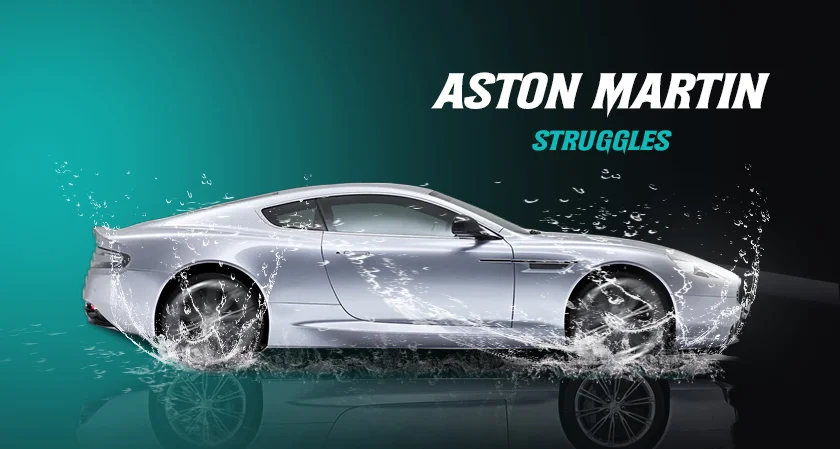
The British luxury carmaker Aston Martin saw higher-than-expected cash burn and lower car production in its first-quarter pretax loss, causing its shares to drop 7% on Wednesday.
Before increasing production of new models, Aston Martin stopped making its older models after introducing new vehicles like the DB12 and Vantage sports cars over the past year.
According to Chairman Lawrence Stroll, the company's first-quarter results were consistent with this anticipated time of change. The shares were down 7% as of 08:37 GMT, having dropped as much as 14% to their lowest point since November 2022. The group kept its 2024 estimate, but expects the second quarter to be similar to the first in terms of performance.
J.P. Morgan analysts stated in a note that they thought this shortfall would prompt inquiries. Adrian Hallmark, CEO of Bentley, was chosen by Aston Martin in March to replace Amedeo Felisa as their CEO in the upcoming months. CFO Doug Lafferty informed investors that he doesn't expect Adrian's arrival to cause any major departures. Instead, he believes they will strengthen their efforts and prioritize performance. He said their main goals in the short term were launching the product portfolio, creating demand, reaching the free cash flow inflection point in the second half of this year, and keeping that pace into 2025.
The company's adjusted pretax losses for the three months ended March 31 were 111 million pounds ($138 million), compared to 57 million pounds in the same period the previous year. On average, analysts had projected a loss of 93 million pounds. The overall amount of wholesale sales fell short of projections, and the quarter's free cash outflow was more than anticipated.
Aston Martin will start shipping its new flagship V12 sports car with a new engine in the fourth quarter. It had delayed the release of its first electric car until 2026 by a full year.

.webp)