Researchers at DGIST pioneer innovative technology enhancing sensitivity and resolution in nanotechnology.
In a significant leap forward for molecular biology and nanotechnology, researchers at DGIST (Daegu Gyeongbuk Institute of Science and Technology) have unveiled a groundbreaking carbon nanotube (CNT) transistor designed to revolutionize the examination of molecular interactions. Led by Dr. Lee Yoon-hee, a senior researcher at the Division of Biotechnology within the Convergence Research Institute, this innovative technology promises unprecedented sensitivity and resolution in the study of tiny particles within our bodies, such as serotonin and dopamine.
Tiny particles like serotonin and dopamine play vital roles in various biological processes, yet capturing their subtle interactions has long been a challenge. However, with the development of the CNT transistor, researchers now have a powerful tool at their disposal for detailed examination of molecular interactions at the nanoscale.
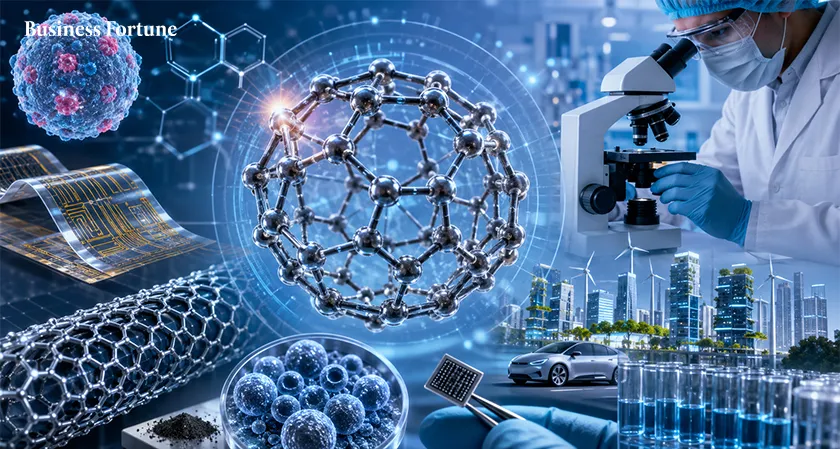
The CNT, renowned for its high conductivity, strength, and flexibility, serves as the cornerstone of this transformative technology. By leveraging the unique properties of CNTs, Dr. Lee and her team have created a molecular research transistor, or "molecule glasses," capable of capturing the intricate movements and interactions of neurotransmitters with unparalleled sensitivity and precision.
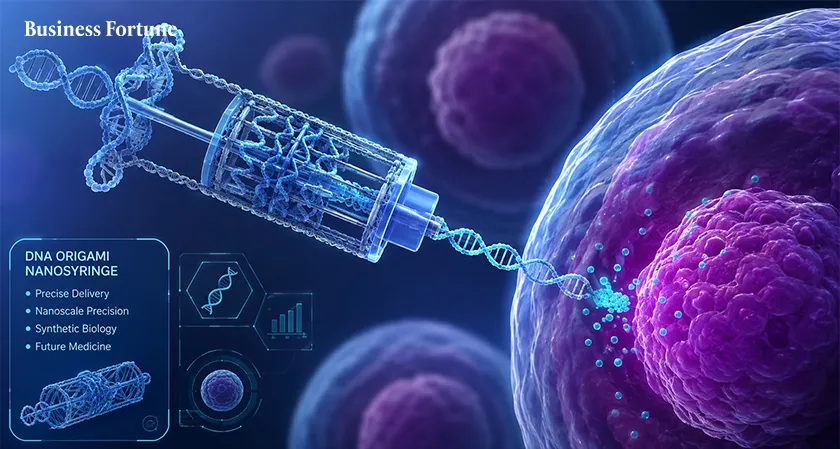
Of particular significance is the application of this technology to capture structural transformations in four states of aptamer interaction with small serotonin and dopamine molecules. This breakthrough sheds light on the complex and previously unknown interactions between aptamers and ligands, offering invaluable insights into molecular dynamics at the nanoscale.
The implications of this research are far-reaching, with potential applications spanning nanomedical and biomolecular engineering. The newfound ability to study intermolecular interactions with high precision opens doors to advancements in drug development, diagnostics, and understanding fundamental biological processes at the molecular level.


.webp)