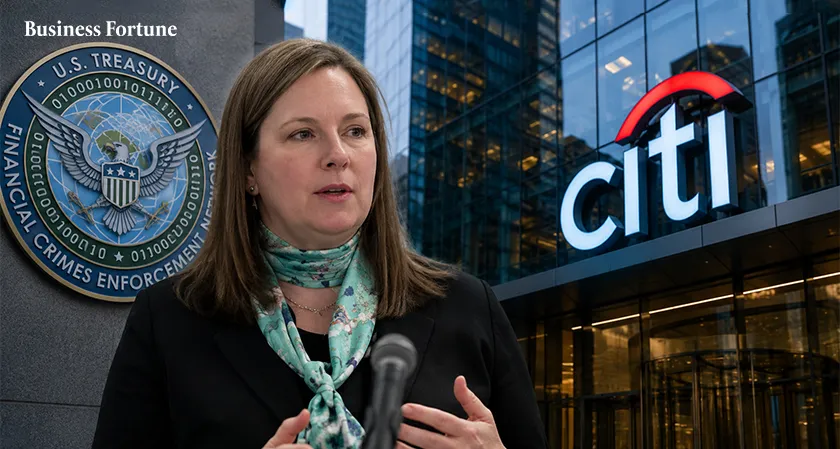
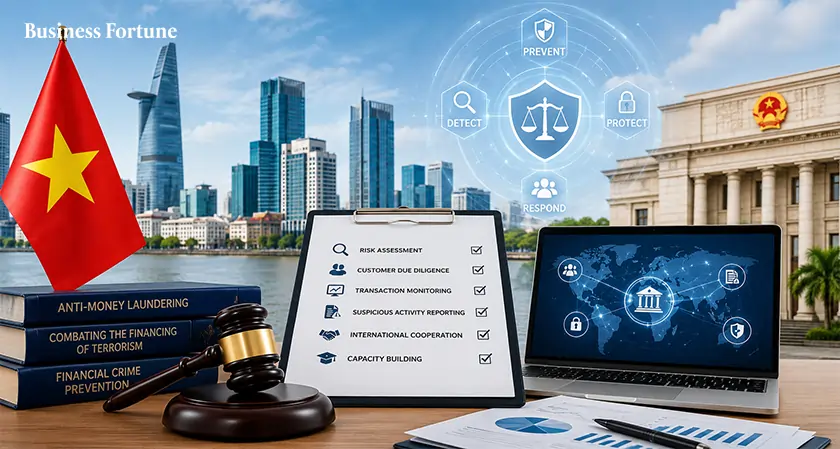
Analysts caution that AI in banking could perpetuate discrimination and worsen de-risking if not properly managed.
As banks increasingly turn to artificial intelligence (AI) to enhance their anti-money laundering (AML) efforts, concerns are mounting over the potential for historical bias within AI systems to exacerbate discrimination and fuel financial exclusion.
Analysts speaking to ACAMS moneylaundering.com highlighted the need for banks to address the risk of AI yielding discriminatory results and exacerbating de-risking practices. Regulatory attention has centered on whether AI technologies, if improperly trained or utilized with biased datasets, could lead banks to unfairly withhold credit from certain customers.
The Office of the Comptroller of the Currency (OCC) raised alarms in October, cautioning that AI systems could perpetuate discrimination if not adequately trained or if they rely on datasets reflecting biases or past discriminatory practices.
The use of AI in transaction monitoring for AML purposes holds promise for streamlining compliance processes and detecting suspicious activities more effectively. However, the inherent risk of bias within AI algorithms poses a significant challenge for banks seeking to leverage these technologies responsibly.
Concerns over AI-driven discrimination extend beyond AML compliance to broader financial inclusion issues. Banks must navigate the delicate balance between leveraging AI to enhance efficiency and transparency while mitigating the risk of perpetuating historical biases and exacerbating disparities in access to financial services.
As the financial industry continues to embrace AI-driven solutions for AML compliance and beyond, stakeholders must remain vigilant in safeguarding against the unintended consequences of biased algorithms. By prioritizing ethical AI practices and regulatory compliance, banks can harness the full potential of AI while upholding principles of fairness, transparency, and inclusivity in financial services.


.webp)