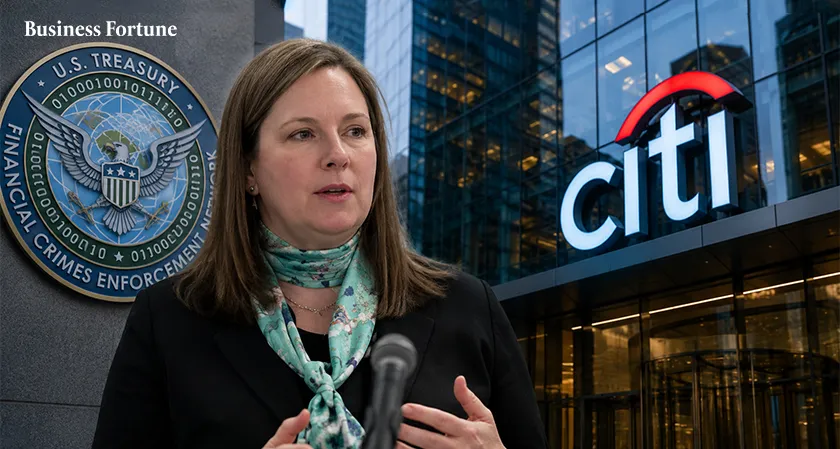
Banking groups push tighter oversight as regulators weigh major changes that could redefine how stablecoins are monitored worldwide.
Financial industry groups have urged U.S. regulators to strengthen AML Rules for Stablecoins, arguing that current proposals do not go far enough to address illicit financial risks in secondary market trading. In letters submitted to the Treasury’s Financial Crimes Enforcement Network (FinCEN) and the Office of Foreign Assets Control (OFAC), the banking groups called for clearer obligations on entities facilitating stablecoin transactions beyond the initial issuance stage.
The appeal comes as regulators develop rules under the GENIUS Act framework, which aims to integrate payment stablecoins into the broader Bank Secrecy Act regime. Industry participants remain divided over how responsibility should be allocated across issuers, exchanges, and other intermediaries operating within the stablecoin ecosystem.
What role should stablecoin issuers play in monitoring secondary markets?
The claim that the majority of illegal activity involving stablecoins takes place after tokens are issued forms the basis of the banking groups' argument. They caution that substantial amounts of stablecoin transactions may stay outside of effective anti-money laundering and counterterrorism financing controls in the absence of clear compliance obligations for secondary-market participants.
The letters urge regulators to mandate that stablecoin issuers and related service providers actively take into account or keep an eye on secondary-market activities when conducting due diligence for customers. Also, they suggest aligning compliance standards with those that apply to conventional financial institutions under current AML frameworks.
However, industry supporters have voiced concerns that broadening issuer liability may impose operational hurdles and inhibit innovation in digital asset exchanges. Some cryptocurrency players contend that current smart contract features and blockchain transparency technologies already offer major monitoring capabilities.
Could fragmented rules create regulatory gaps or overlap?
The possibility of regulatory arbitrage, in which firms design products to evade more stringent regulation, is another important concern brought up by banking associations. They contend that in order to stop organizations from imitating stablecoin-like services outside of regulated frameworks, definitions of "payment stablecoins" and "permitted issuers" must be suitably broad.
It is now the responsibility of regulators to strike a balance between innovation in digital payments and concerns about financial integrity. The discussion highlights a wider lack of clarity on the extent to which decentralized and blockchain-based financial systems should be subject to traditional banking-style AML requirements.
Thus, Business Fortune is of the view that balanced AML oversight will determine stablecoin legitimacy and long-term global financial integration.
FAQs
What are AML rules for stablecoins?
They are anti-money laundering regulations requiring stablecoin-related entities to detect and prevent illicit financial activity.
Why are banks pushing for stricter rules?
They argue that illicit activity often occurs in secondary trading markets, not just at issuance.
What is the GENIUS Act?
It is a proposed U.S. framework designed to regulate payment stablecoins under existing financial compliance laws.
Who would enforce these rules?
U.S. agencies such as FinCEN and OFAC would oversee compliance and enforcement.
What is the main concern in the debate?
The challenge is balancing financial crime prevention with avoiding excessive regulatory burdens that could slow innovation.


.webp)