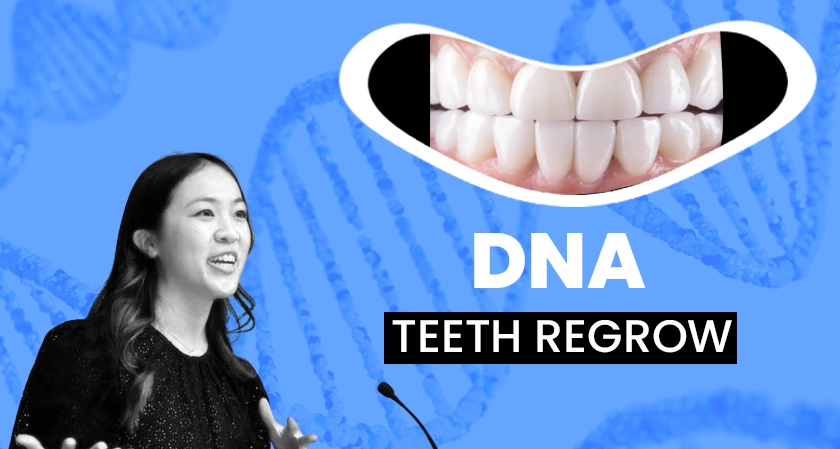
Breakthrough Study Holds Promise for Minimally Invasive Dental Treatments and Stronger Teeth.
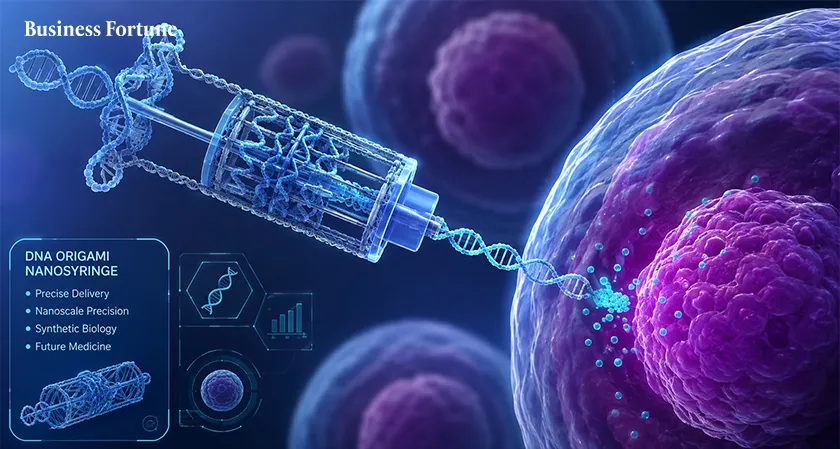
In a groundbreaking endeavor, researchers at the University of Toronto's Faculty of Dentistry are delving into the realm of DNA nanotechnology to unlock the potential for regenerating biologic materials, including teeth.
Mercedes Ing, a first-year graduate dentistry student specializing in pediatrics, is spearheading this pioneering research, building upon previous studies in bone regeneration conducted within the faculty. By harnessing the power of DNA, Ing and her team aim to revolutionize dental care and potentially reduce the need for traditional cavity fillings.
The foundation of their research lies in DNA gel, a concoction formed by mixing two distinct solutions of DNA. This gel acts as a scaffold, attracting minerals crucial for bone regeneration. Initial pre-clinical studies have already demonstrated promising results in promoting bone healing.
Now, Ing, under the mentorship of Assistant Professor Karina Carneiro, is taking this innovative approach a step further by applying the DNA gel to teeth. The objective is to assess its efficacy in remineralizing dentin—the hard tissue beneath the enamel—and evaluate its performance in the complex environment of human saliva and cells.
What makes this research particularly exciting is its potential to address a longstanding challenge in dentistry. Unlike conventional treatments that merely fill cavities without strengthening teeth, the DNA gel has the capacity to rebuild and fortify tooth structure. This breakthrough could pave the way for minimally invasive dental procedures and fewer visits to the dentist, particularly advantageous in pediatric dentistry.


.webp)