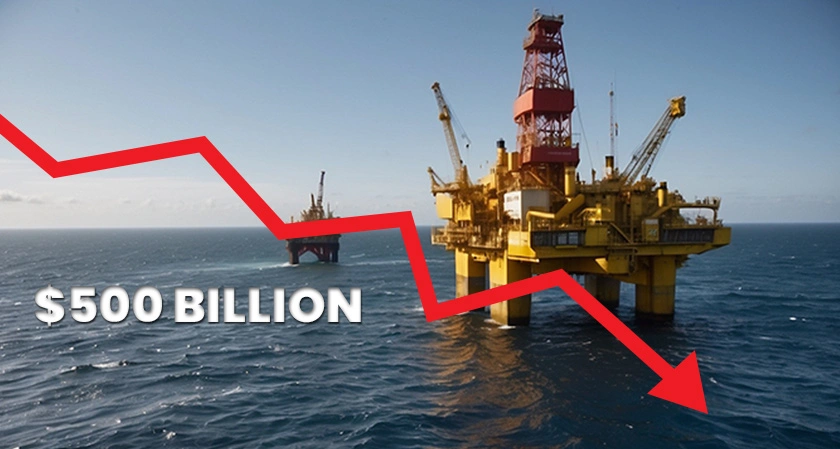
Seafloor mining for minerals and metals could cost $500 billion, harm biodiversity, and increase costs due to increased demand for metals in electric vehicle batteries.
A new analysis released on Thursday reveals that mining the seafloor for vital minerals and metals might have a detrimental effect on the business, costing $500 billion in lost value and harming the world's biodiversity to an extent projected to be up to 25 times greater than land-based mining. The requirement for metals in batteries for electric vehicles (EVs) and other green energy applications has increased due to the search for fossil fuel alternatives.
Potato-sized nodules on the ocean floor include metals and minerals, including cobalt, nickel, copper, and manganese. The estimated value of reserves ranges from $8 trillion to over $16 trillion, and they are located in regions where corporations such as The Metals Company, a pioneer in deep-sea mining, intend to pursue. The mining sector may lose between $30 and $132 billion in value as a result of extracting metals from the seafloor, according to a paper titled "How to Lose Half a Trillion" by non-profit Planet Tracker.
This estimate is based on adding the total value loss that the activity would create for both ocean floor and terrestrial miners, according to François Mosnier, head of Oceans and main author of the Planet Tracker report, who spoke with MINING.COM. According to the analysis, industries that depend on maintaining intact ecosystems have outperformed those that exploit resources three times over the past three decades, demonstrating the favorable financial benefit of protecting the environment.


.webp)